

Can Chemical Peels Help Acne Scars?
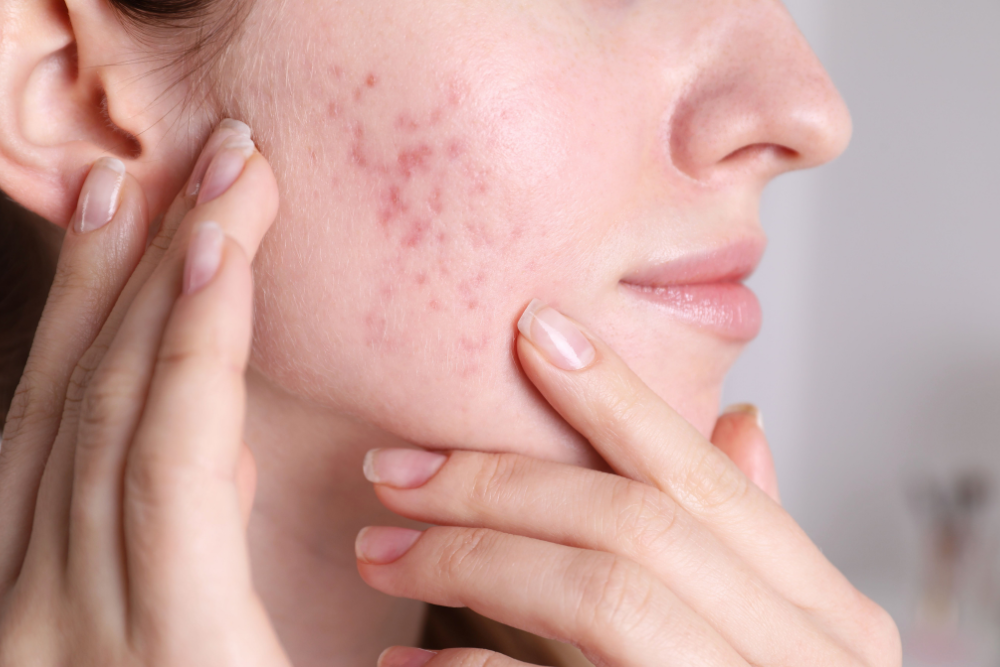
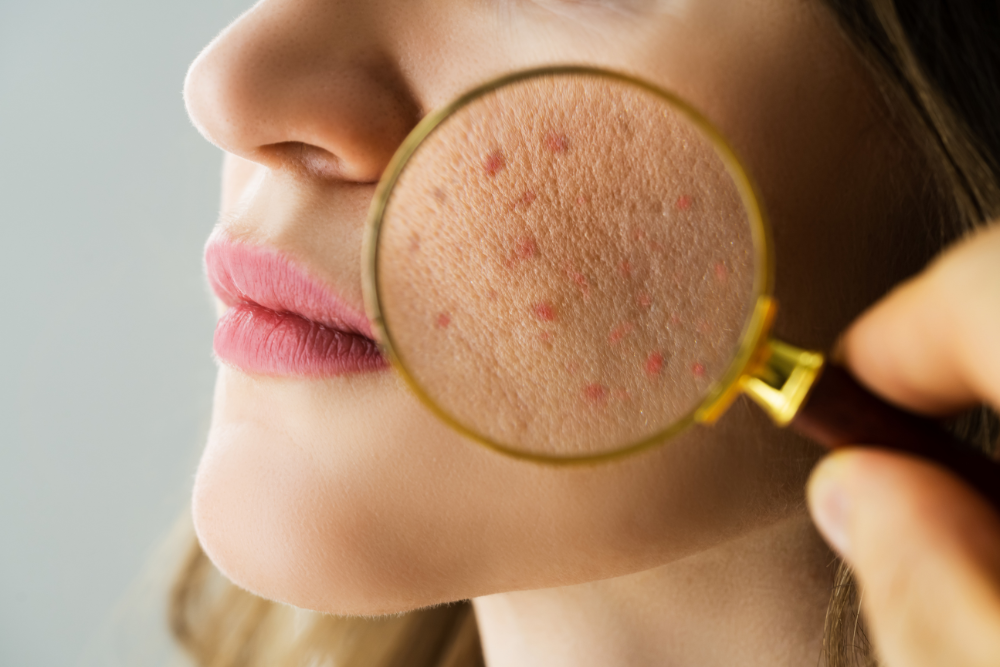
The pimple is gone. The swelling has disappeared. Your skin feels normal again. But when you look closely in the mirror, there is still something left behind: a dark mark, uneven texture, or a tiny indentation where the acne used to be.
If this sounds familiar, you are definitely not alone.
Acne can be frustrating while it is happening, but the marks and scars it leaves behind can sometimes be even more difficult to deal with. You may have tried brightening serums, exfoliators, home remedies, scrubs, or countless skincare products hoping that the marks would eventually fade. Sometimes they do. Sometimes they seem to stay exactly where they are.
That is usually when people start exploring professional treatments and come across chemical peels . But before booking one, there is an important question to answer: can chemical peels help acne scars?
For someone considering a Skin Clinic in Bangalore for acne scar treatment, understanding what chemical peels can and cannot do is important. The goal should not be to choose the strongest peel available. It should be to find a treatment that matches your skin, scar type, skin tone, sensitivity, and expectations.
First, Let's Understand What You Actually Have: Acne Marks or Acne Scars?
Before asking whether chemical peels can help, it is important to know what you are trying to treat.
Many people use the words "acne marks" and "acne scars" interchangeably. They are not always the same thing.
- Post-Acne Dark Marks: These are flat areas of brown, red, or darker pigmentation left behind after an acne lesion heals. They do not create a change in the physical texture of the skin. These marks can gradually fade with time, although the process can take months, particularly when the skin is prone to pigmentation.
- Shallow Depressed Scars: These scars create a slight indentation in the skin. Some superficial scars may improve with treatments that encourage skin renewal and collagen production. Chemical peels may have a role depending on the depth and type of scarring.
- Ice Pick Scars: These are narrow, deeper depressions that extend further into the skin. They are generally more difficult to treat with superficial procedures alone. A dermatologist may consider other treatments or a combination approach depending on their depth.
- Boxcar Scars: These scars tend to have wider depressions with more defined edges. The appropriate treatment depends on their depth and characteristics. Chemical peels may help with overall skin texture but may not completely correct deeper boxcar scars.
- Rolling Scars: These create an uneven, wave-like appearance because of changes beneath the surface of the skin. They may require treatments that address the deeper structure of the scar rather than only the outermost layers.
This distinction is important because if you search can chemical peels help acne scars , the answer you find online may not apply to the specific type of scarring you have.
Can Chemical Peels Help Acne Scars? Here's What They Can Actually Do
So, can chemical peels help acne scars?
They can, particularly when the concern involves superficial scarring, uneven texture, post-acne pigmentation, or a combination of these issues.
A chemical peel uses a chemical solution to exfoliate controlled layers of the skin. As the treated skin sheds and renews, the newer skin underneath can appear smoother and more even.
Here are five ways chemical peels may help acne-prone skin:
1. Improve Uneven Skin Texture
Acne can leave the skin looking rough or uneven. Certain peels can encourage skin renewal and help improve the appearance of mild texture irregularities. The improvement is generally gradual rather than instant.
2. Reduce the Appearance of Post-Acne Pigmentation
Dark marks left behind after acne are a common concern. Certain chemical peels may help improve uneven pigmentation by encouraging exfoliation and skin turnover. However, pigmentation needs to be treated carefully, particularly in skin that is prone to post-inflammatory hyperpigmentation.
3. Improve Overall Skin Tone
Acne scars are not always the only concern. You may also have dullness or an uneven complexion around the affected areas. A suitable peel can help create a more uniform appearance.
4. Support Smoother-Looking Skin
By removing some damaged surface cells, chemical peels can help the skin feel smoother. This can be particularly useful when acne has left behind mild surface irregularities.
5. Complement Other Acne Treatment
Chemical peels may sometimes be included as part of a broader acne or acne scar treatment plan. Depending on the individual, a dermatologist may combine professional procedures with skincare or other treatments.
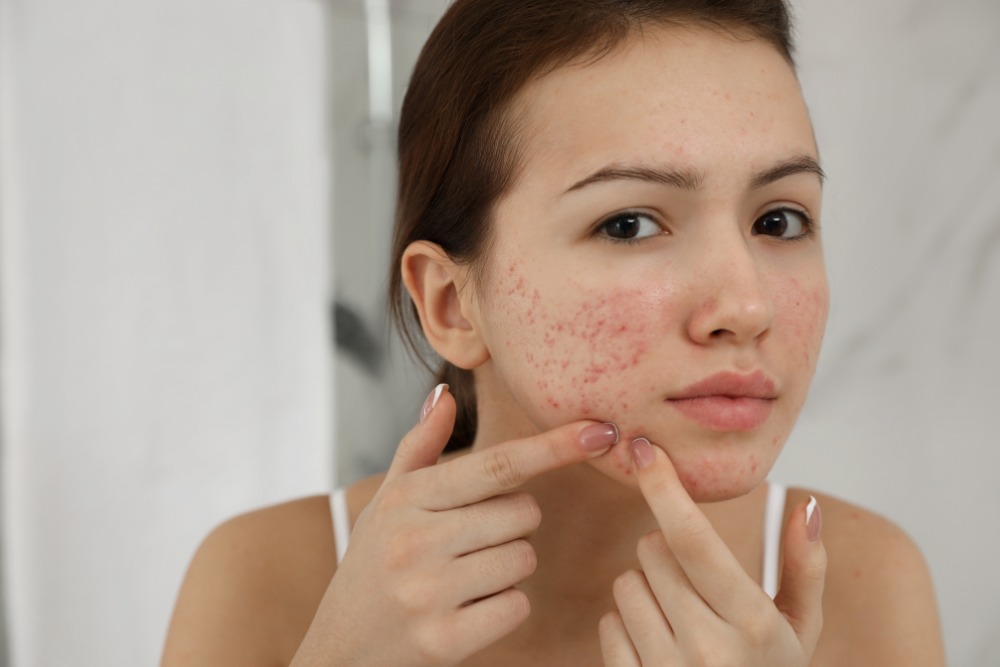
How Chemical Peels Work on Acne-Prone Skin
A chemical peel may sound intimidating, but the basic idea is fairly simple.
A carefully selected chemical solution is applied to the skin for a controlled amount of time. The solution interacts with the outer layers of the skin, encouraging exfoliation and renewal.
The exact effect depends on the type of peel, its concentration, how long it is applied, and the individual's skin.
The process can be thought of in five stages:
- Assessment: Your skin is assessed to understand your acne, pigmentation, sensitivity, texture, and the type of marks or scars present.
- Selection: The appropriate peel is selected based on your concerns and skin characteristics. There is no single peel that is ideal for everyone.
- Application: The peel is carefully applied to the treatment area according to the treatment protocol.
- Renewal: The treated skin undergoes a controlled exfoliation process. Depending on the peel, you may experience little to noticeable peeling or flaking.
- Recovery: As the skin settles and renews, the treated area may gradually appear smoother, brighter, or more even.
The important word here is "controlled." A chemical peel should not be about causing as much peeling as possible. More peeling does not automatically mean better results.
Which Acne Concerns Can Chemical Peels Help With?
Chemical peels can be useful for several acne-related concerns, but their effectiveness depends on what is actually happening in your skin.
Active Acne
- Certain peels may be used as part of an acne management plan because they can help exfoliate the skin and address factors associated with clogged pores.
- However, active acne needs to be assessed first.
- If you have significant inflammation, cystic acne, infection, or irritated skin, your dermatologist may recommend addressing those concerns before proceeding with certain procedures.
Post-Acne Pigmentation
- This is one of the concerns for which chemical peels are commonly considered.
- If your acne has disappeared but left flat dark marks behind, a suitable peel may help improve the appearance of uneven pigmentation over a series of treatments.
Mild Texture Changes
- If your skin feels slightly rough or uneven after acne, certain peels may help improve its overall texture.
- The improvement will depend on how deep the changes are.
Superficial Acne Scars
- Some superficial scars may show improvement with appropriate chemical peel treatments.
- However, deeper scars usually require more targeted approaches.
Dull or Uneven Skin
- Even when acne is no longer active, the skin can be left looking dull or uneven.
- A suitable peel may help improve overall skin appearance while addressing some of the pigmentation left behind by acne.
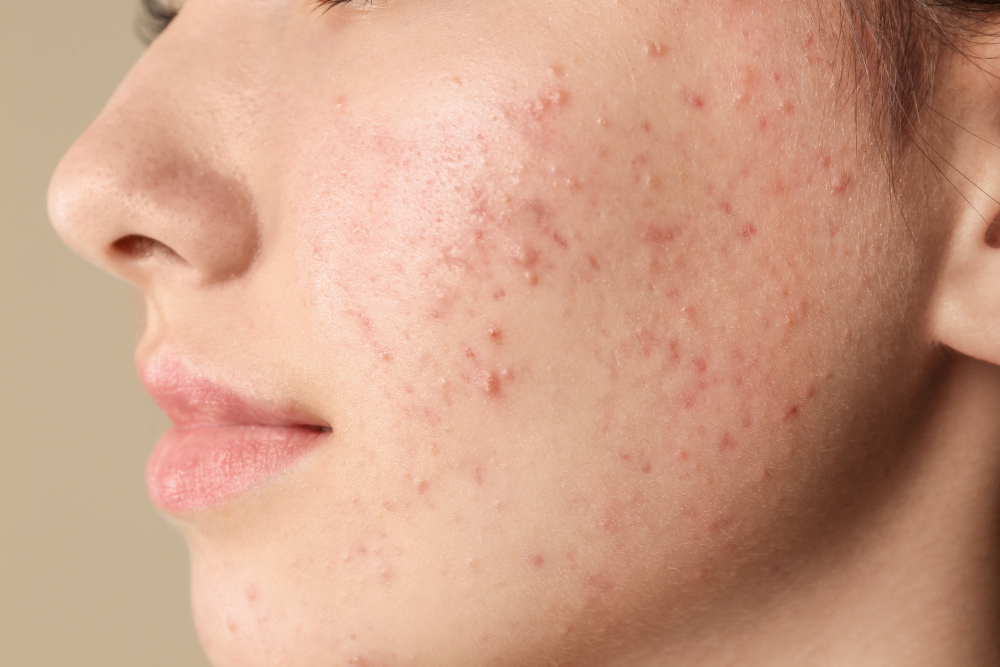
Chemical Peel Options: What Could Be Considered?
Different types of chemical peels work at different depths and are used for different concerns.
| Treatment | Best Suited For | Key Consideration |
|---|---|---|
| Chemical Peels | Mild acne scars, dark marks and uneven skin texture | May require multiple sessions depending on scar type and skin response |
| Microneedling | Depressed acne scars and uneven texture | Stimulates collagen production and usually requires a series of sessions |
| Laser Resurfacing | Textural scars and uneven skin surface | Treatment choice depends on skin type, scar depth and pigmentation risk |
| Subcision | Deeper rolling acne scars | Releases scar tissue beneath the skin to improve depressed scars |
| Dermal Fillers | Certain deep, depressed scars | Can temporarily raise selected scars and improve skin surface appearance |
| Combination Treatments | Multiple scar types or more noticeable scarring | A dermatologist may combine treatments based on the type and severity of scars |
What Happens During a Chemical Peel Treatment?
If you have never had a chemical peel before, the process can feel like a mystery. Here is what you can generally expect.
Before the Treatment
- Your skin is examined and your concerns are discussed.
- You may be asked about your current skincare routine, previous treatments, medications, allergies, sun exposure, and history of pigmentation.
- This helps your dermatologist decide whether a peel is appropriate and which approach may be suitable.
During the Treatment
- Your skin is cleansed before the peel solution is applied.
- You may experience a mild tingling, warmth, or stinging sensation depending on the peel being used. Your provider will monitor your skin throughout the procedure.
Immediately Afterwards
- Your skin may look slightly red or feel warm. Depending on the type of peel, you may notice dryness or peeling later.
- Not every peel causes dramatic visible peeling, so do not judge the effectiveness of a treatment by how much your skin flakes.
Over the Next Few Days
- Your skin may gradually shed treated surface cells.
- You may be advised to use gentle skincare and avoid picking or peeling the skin yourself.
During Follow-Up
- Your dermatologist can assess how your skin responded and determine whether another session or a different treatment approach is appropriate.
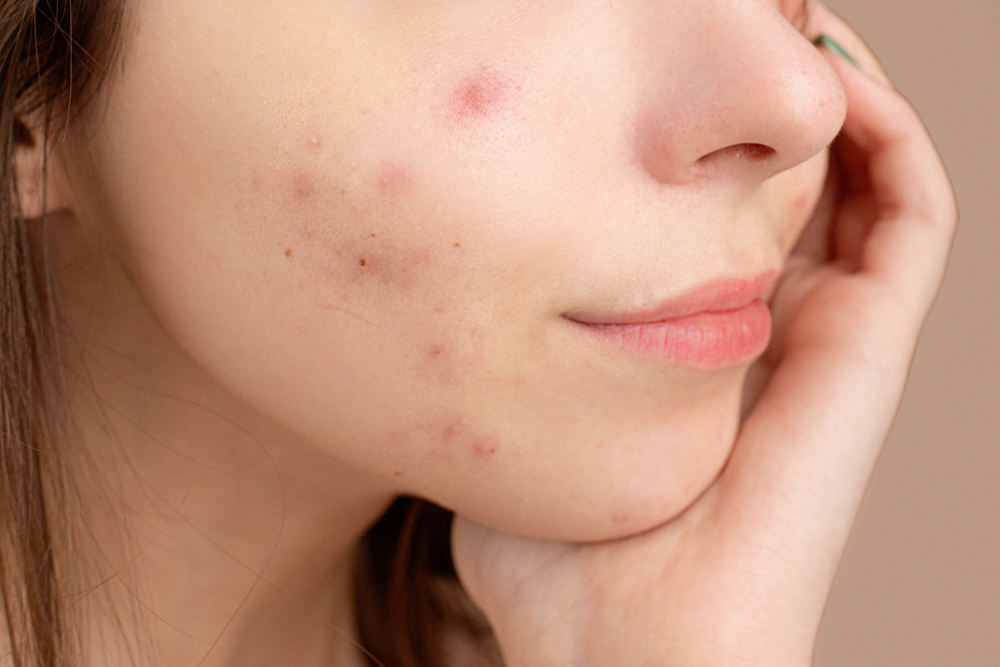
Chemical Peels for Indian Skin: What Should You Know?
If you have Indian skin, you may have a specific concern about chemical peels: pigmentation.
That concern is worth discussing during your consultation.
Indian skin tones vary widely, so there is no single rule that applies to everyone. However, people with medium to deeper skin tones can sometimes be more prone to post-inflammatory hyperpigmentation. This means irritation itself can potentially trigger additional pigmentation.
That does not mean chemical peels are unsuitable.
It means treatment should be planned carefully.
Five factors worth considering include:
- Your existing pigmentation: If you already have significant pigmentation, the treatment approach should take this into account.
- Your skin sensitivity: A very reactive skin barrier may need to be stabilised before treatment.
- The peel depth: A dermatologist can decide how much exfoliation is appropriate.
- Sun exposure: Protecting the skin from UV exposure is especially important before and after treatment.
- Your history of pigmentation: If you have developed dark marks after acne, injuries, waxing, or previous treatments, tell your dermatologist.
A professional assessment at a Skin Clinic in Bangalore can help determine whether a chemical peel is suitable for your skin and which type may be considered.
How Many Chemical Peel Sessions Will You Need?
This is one of the first questions people ask when they start considering treatment.
The honest answer is that there is no universal number.
Your dermatologist may recommend a series of treatments depending on your skin and the concern being addressed.
Your treatment plan may depend on:
- The severity of your acne scars: Mild concerns may respond differently from deeper scars.
- The type of peel: Different peels have different treatment schedules.
- Your skin's response: Your skin needs to be monitored as treatment progresses.
- Your pigmentation tendency: A more gradual approach may be appropriate for some patients.
- Whether other treatments are required: Deeper scars may benefit from combination treatment.
The goal is not to complete as many sessions as possible. The goal is to achieve meaningful improvement while keeping the skin healthy.
Why Anew Is the Best Skin & Aesthetic Clinic in Bangalore for Acne Scar and Chemical Peel Treatment
Choosing a clinic for a chemical peel is not simply about finding a place that offers peels. Your skin needs to be assessed before the treatment so that the peel can be selected according to your specific concern, skin condition, sensitivity, pigmentation tendency, and treatment goals.
Anew brings together dermatology and aesthetic care to create personalised treatment plans rather than approaching every skin concern in exactly the same way. For people looking for acne scar treatment or chemical peel treatment, this means the focus can remain on understanding whether the concern is pigmentation, superficial texture, active acne, or deeper scarring before deciding on the procedure.
Anew also offers a range of aesthetic and skin treatments, which can be useful when a combination approach is more appropriate than a chemical peel alone. If you are searching for the Best Skin & Aesthetic Clinic in Bangalore for chemical peels and acne scar concerns, Anew's focus on personalised assessment, treatment planning, and skin-focused care makes it a strong option to consider.
Your Acne Scars Do Not Have to Define Your Skin
Acne may have been a temporary problem, but the marks it leaves behind can make it feel like the problem never really ended. You stop getting breakouts, yet you still find yourself checking the mirror under different lighting, wondering when the dark marks will fade or whether those uneven patches will ever look smoother.
That is why the question can chemical peels help acne scars is such a common one.
If you are considering a chemical peel at a Skin Clinic in Bangalore , use your consultation as an opportunity to ask questions. Find out what type of acne marks or scars you have, why a particular peel has been suggested, how many sessions may be needed, what kind of improvement is realistic, and what you need to do before and after treatment.
For deeper acne scars, your dermatologist may recommend another procedure or a combination of treatments. This is not a sign that chemical peels have "failed." It simply means different scars respond differently to different treatment methods.
So, can chemical peels help acne scars? Yes, they can, especially when the concern involves superficial scars, uneven texture, or post-acne pigmentation. The key is choosing the right peel for the right concern and following a treatment plan suited to your skin.
