Customers Served
Client Recommendation
Years of Doctor Experience
Skin can be a little unpredictable, can’t it? A pimple disappears but leaves a tiny souvenir. A holiday ends, but sun-induced spots seem determined to stick around. Sometimes, brown patches appear without any obvious explanation. If your skincare shelf is full and you’re still unsure what your skin needs, it helps to start with the cause rather than another product. Pigmentation can be linked to acne, sun exposure, hormonal changes, inflammation, or a combination of factors. Even similar-looking spots can have different causes and respond differently to treatment. If you’re exploring pigmentation treatment in Bangalore, Anew offers options such as laser skin toning, Lumenis laser treatments, Cosmelan Peel, Mesopeel depigmentation peels, chemical peels and medical-grade skincare. The right approach depends on your pigmentation type, skin characteristics, medical history and professional assessment. Understanding your skin comes first; choosing the procedure comes next. Consistent sun protection also matters, especially when pigmentation tends to return.
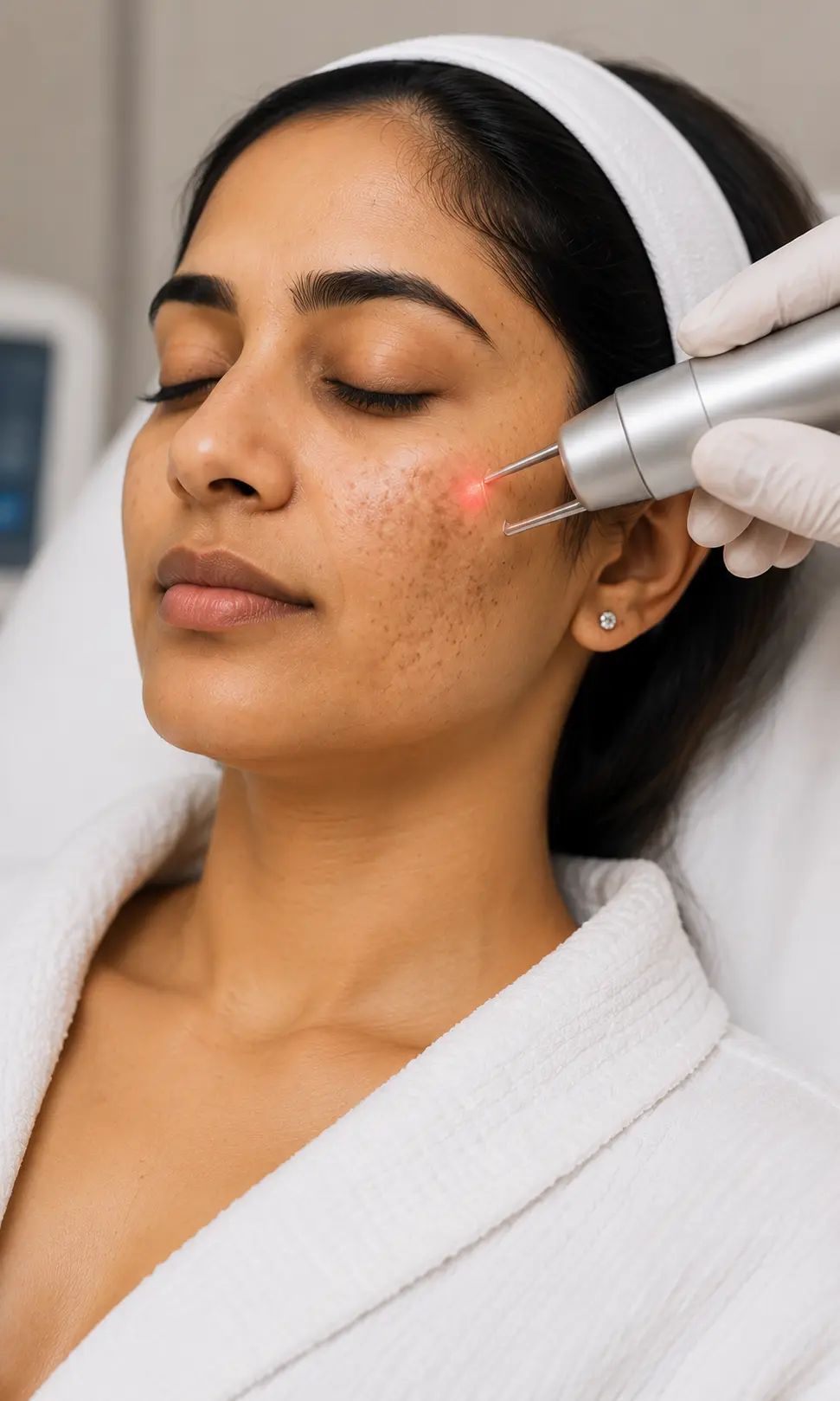
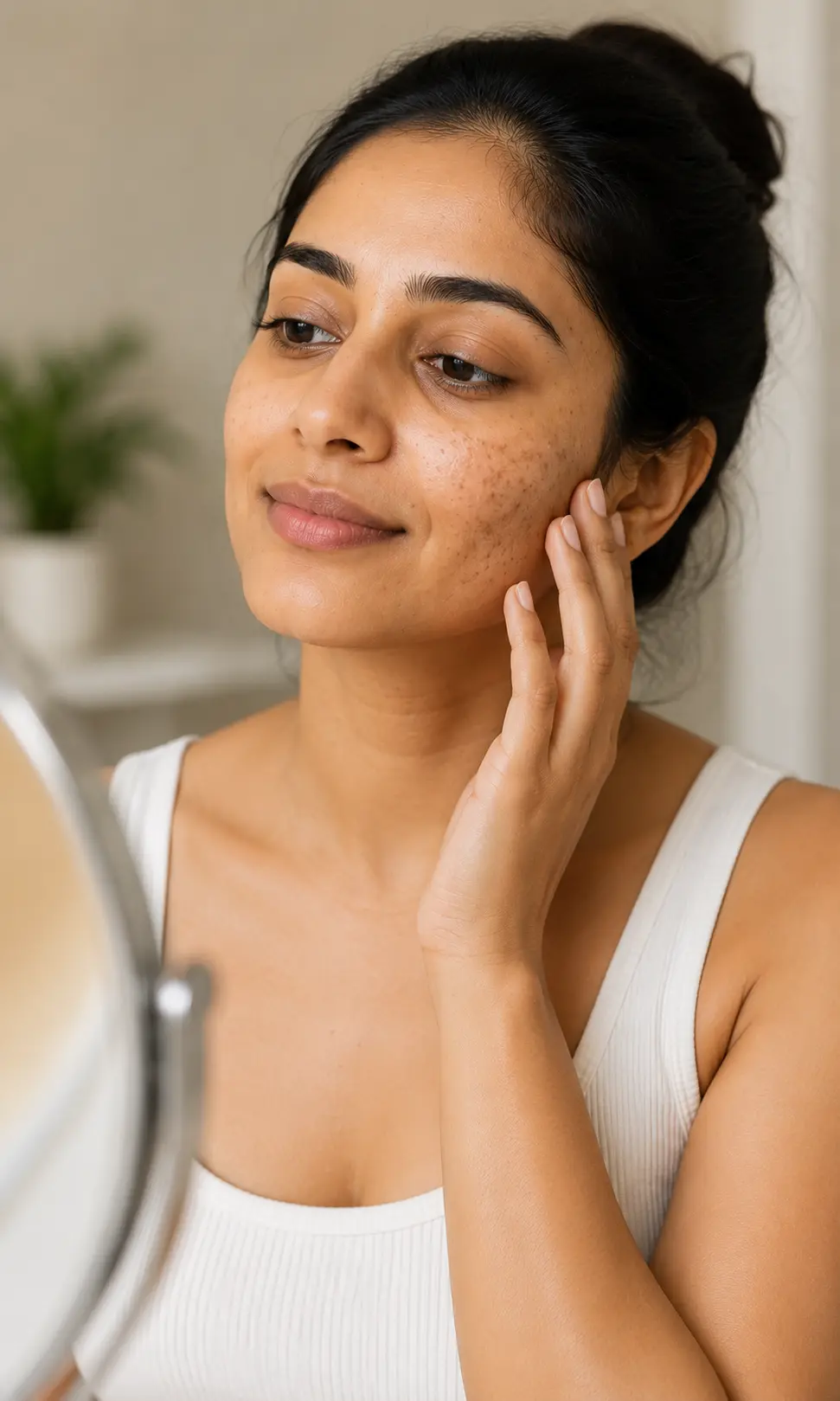
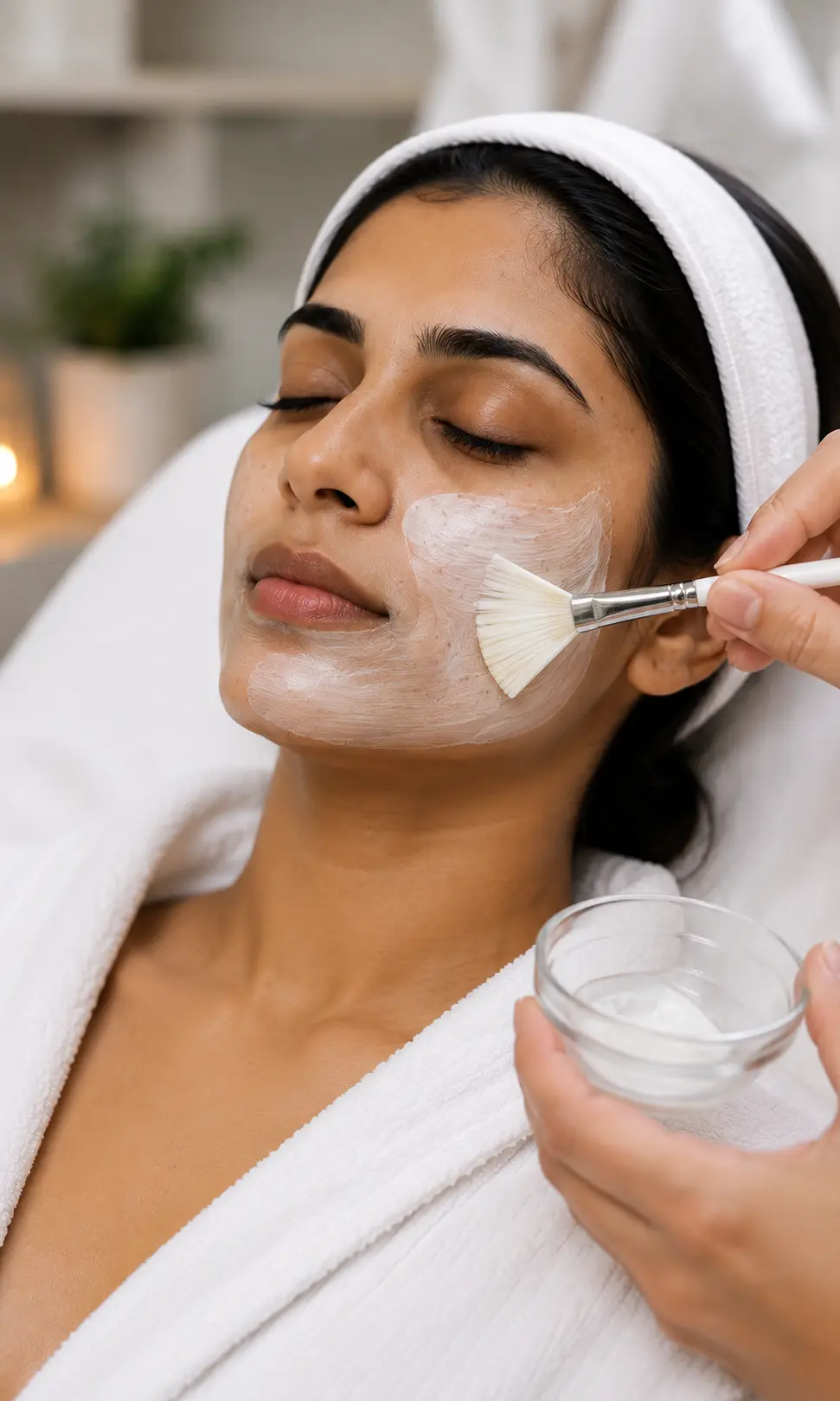
Your skin has its own colour-making system, and melanin is the star of the show. Skin pigmentation refers to your skin colour, which is largely determined by melanin—a natural pigment produced by cells called melanocytes. Melanin also helps protect your skin against ultraviolet (UV) radiation. When excess melanin accumulates in certain areas or is distributed unevenly, it can lead to hyperpigmentation, which appears as dark spots, patches or uneven skin tone. Causes range from everyday sun exposure to hormonal changes and skin inflammation. Identifying the type and likely cause is an important first step towards choosing suitable pigmentation treatment.
Not all dark spots have the same story. Some develop after a summer spent outdoors, others appear following hormonal changes, and some stick around long after a skin flare-up has settled. They might look similar at first glance, but their causes—and the way they respond to treatment—can be quite different.
Let's look at the most common types of skin pigmentation and what makes each one different.
Melasma typically appears as brown or grey-brown patches on the cheeks, forehead, nose or upper lip. It is often associated with hormonal changes and sun exposure; pregnancy, hormonal medications and sometimes heat can be triggers. Melasma can be persistent and may return after it improves. Management may involve sun protection, prescribed skincare and carefully selected peels or other dermatologist-recommended procedures.
PIH develops after skin inflammation or injury. Pimples, eczema, insect bites, scratches, burns and irritating skincare products can leave brown, dark-brown or greyish marks. Managing the original skin condition is important, alongside suitable ingredients or procedures that may help fade the marks gradually.
Sunspots, also called solar lentigines, are flat brown spots commonly found on the face, hands, shoulders and other sun-exposed areas. They develop due to cumulative UV exposure and may become more common with age. Depending on diagnosis, options may include topical treatments, chemical peels or selected laser procedures. New or changing spots should be medically examined before cosmetic treatment.
Freckles are small, flat spots ranging from light tan to brown. Genetics and sunlight influence them, and they may become more noticeable after sun exposure. Sun protection helps limit darkening; cosmetic treatment may be considered if someone wishes to reduce their appearance.
Certain medicines can cause changes in skin colour in some people. The timing, appearance and distribution of the pigmentation can help a clinician investigate the cause. A healthcare professional can review medication and discuss next steps. Never stop a prescribed medicine without medical advice.
Some darker patches are linked to an underlying condition rather than isolated pigmentation. For example, acanthosis nigricans can cause darker, thicker, velvety-looking skin, often around the neck, underarms or groin, and may be associated with insulin resistance or other medical conditions. A proper assessment is more appropriate than treating it only as a cosmetic concern.
If a spot changes rapidly, develops irregular borders, bleeds or looks noticeably different from other spots, seek medical evaluation before cosmetic treatment.
Colour alone does not tell the whole story. The location of the pigmentation, how long it has been present, possible triggers, medical history and whether it is changing all help a qualified clinician assess the likely cause. A professional assessment can help determine whether skincare, a peel, a laser-based procedure or medical evaluation is appropriate. Any new, rapidly changing, irregular or bleeding spot should be assessed medically before cosmetic treatment.
Ever wondered why some areas of your skin suddenly look darker than the rest? Pigmentation can have several triggers, and understanding what is causing it is often the first step towards managing it effectively.
The same-looking spot does not always need the same treatment. Sun-related pigmentation may need targeted care alongside consistent sun protection; post-inflammatory pigmentation may require control of the original inflammation; and melasma often needs longer-term management because sunlight and hormonal changes can trigger recurrence.
At Anew, understanding the pigmentation type and assessing your skin can help guide a suitable plan. Depending on your needs, options may include medical-grade skincare, chemical peels, depigmentation peels or laser-based procedures. The aim is to identify the likely trigger and choose an approach suited to your skin rather than using every treatment available.
Searching for one magic solution that works for every dark spot? Unfortunately, pigmentation isn’t quite that simple. The most suitable treatment depends on the type, cause, depth, skin type and severity of pigmentation.
A qualified professional can assess your skin and discuss which available options may be appropriate.
Wondering whether pigmentation treatment is actually right for you? If persistent dark spots, patches, tanning or uneven skin tone are bothering you, a professional skin assessment can help determine whether treatment may be appropriate.
Pigmentation treatment isn’t simply about making a few dark spots disappear. With the right approach, it can help improve the overall appearance of your complexion while addressing specific pigmentation concerns.
So, what actually happens when you decide to treat pigmentation professionally? The process usually starts with understanding your skin, not simply choosing a treatment, so that the approach can be tailored to your specific concern.
You’ve probably spent enough time wondering why those patches are still there. Before spending more money trying to figure it out, talk with the team at Anew. Discuss possible causes, explore options such as laser skin toning, chemical peels and medical-grade skincare, and understand what each could realistically do for your skin. Book a consultation to find out what your skin may benefit from, without expecting overnight results.
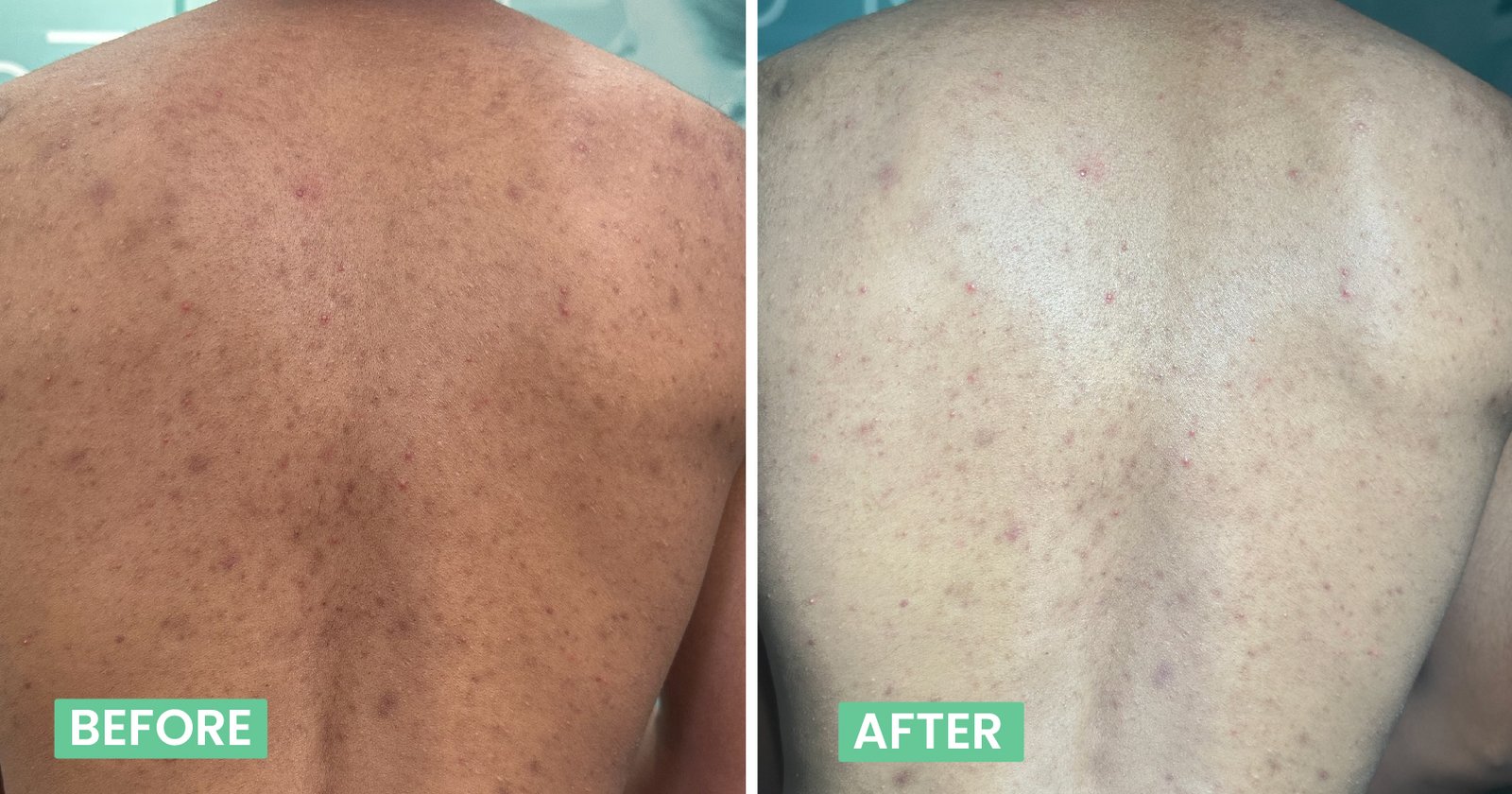
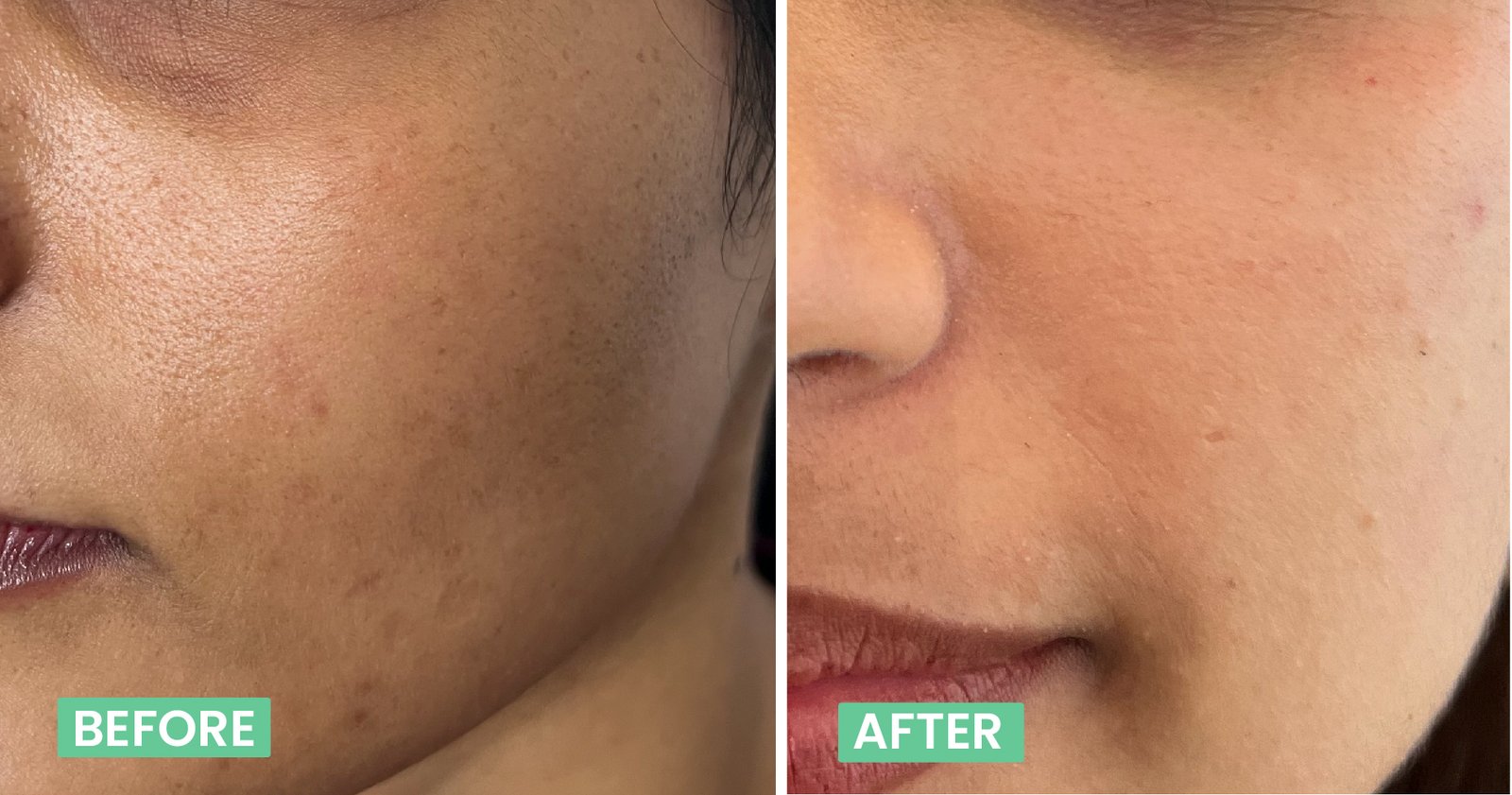
Pigmentation develops when melanin, the pigment responsible for skin colour, is produced unevenly or in excess. Common triggers include sun exposure, hormonal changes, acne, skin inflammation, ageing, genetics, and certain medications.
Common types include melasma, post-inflammatory hyperpigmentation, sunspots, age spots, and freckles. Each develops for different reasons and may require a different approach. Identifying the type helps determine which treatment may be most suitable.
Yes, hormonal changes during pregnancy, menopause, or while using certain hormonal medications can trigger pigmentation, particularly melasma. It often appears as brown patches on the cheeks, forehead, or upper lip. Sun exposure can make these patches more noticeable.
Indian skin often contains higher levels of melanin, which provides some natural protection against UV radiation. However, inflammation, acne, hormonal changes, and sun exposure can trigger excess pigmentation. Dark marks may also persist longer after skin irritation.
The best option depends on your pigmentation type, skin tone, sensitivity, and medical history. Treatments may include chemical peels, laser procedures, or medical-grade skincare. A qualified professional can assess your skin and recommend an appropriate approach.
Yes, many pigmentation concerns can be managed without surgery. Options include topical products, chemical peels, laser treatments, and specialised depigmentation peels. The appropriate choice depends on the cause, depth, and severity of the pigmentation.
Yes, acne-related pigmentation, also called post-inflammatory hyperpigmentation, can often improve with suitable skincare, chemical peels, or selected laser procedures. Treating active acne is equally important because new breakouts can leave additional dark marks.
People with persistent dark spots, melasma, sunspots, acne marks, or uneven skin tone may benefit from treatment. Suitability depends on skin condition, medical history, and the procedure being considered. A professional assessment helps determine whether treatment is appropriate.
Pigmentation treatment can help fade dark spots, improve uneven skin tone, and reduce the appearance of acne marks and sunspots. Some treatments may also improve skin texture. Results vary depending on the pigmentation type and treatment selected.
The clinician assesses your skin, identifies the pigmentation concern, and selects an appropriate procedure. Depending on the treatment, the session may involve laser technology, a chemical peel, or topical products. You’ll also receive guidance on aftercare and sun protection.
Follow your clinician’s instructions before your appointment. You may need to limit sun exposure, avoid certain exfoliating products, and arrive with clean skin. Share your medical history, medications, allergies, and previous reactions to skincare treatments.
Most pigmentation treatments are manageable, although sensations vary. Laser procedures may cause warmth or mild tingling, while chemical peels can produce temporary stinging. Your clinician can explain what to expect and discuss ways to improve comfort during treatment.
Yes, temporary darkening can occur after some laser procedures, particularly when the skin becomes irritated. The risk depends on skin type, laser settings, and treatment technique. Appropriate device selection, professional assessment, and sun protection help reduce this risk.
Pigmentation can develop at different ages, but the cause and suitable treatment may vary. Acne marks are common among younger people, while sunspots may become more noticeable later. A clinician should assess unusual or changing spots before cosmetic treatment.
Some people notice improvement within a few weeks, while others need several months. Results depend on pigmentation depth, the procedure used, and individual skin response. Conditions such as melasma often require ongoing management rather than a single treatment.
Some pigmentation can fade considerably, but complete removal isn't guaranteed. Superficial spots may respond well, while deeper pigmentation and melasma can be more persistent. Sun protection and appropriate maintenance skincare help support results and reduce the chance of recurrence.
Pigmentation may return when triggers such as sunlight, hormonal fluctuations, acne, or inflammation continue. Melasma is particularly prone to recurrence. Following a suitable maintenance routine and protecting your skin from the sun can help manage recurring discoloration.
Use broad-spectrum sunscreen daily, avoid picking acne, and follow a gentle skincare routine. Treating active breakouts and avoiding irritating products can also help. If pigmentation is linked to hormonal changes, discuss long-term management with a qualified clinician.
Depending on the procedure, you may experience mild redness, sensitivity, dryness, peeling, or temporary darkening. These effects usually settle as the skin recovers. Follow your aftercare instructions, avoid picking the skin, and seek medical advice if severe symptoms develop.
Yes, suitable treatments can be used on Indian skin when selected carefully. However, melanin-rich skin may be more prone to post-inflammatory pigmentation after irritation. Professional assessment, appropriate treatment settings, and proper aftercare are important for reducing complications.
The number of sessions depends on the pigmentation type, severity, and chosen procedure. Some concerns improve after a few sessions, while others require longer-term management. Your clinician can suggest a treatment schedule based on your skin’s response.
The cost depends on the procedure, treatment area, number of sessions, and products required. Chemical peels, laser procedures, and specialised depigmentation treatments have different prices. Request a personalised estimate that includes consultation fees, follow-up visits, and aftercare.
Factors include pigmentation severity, the technology used, practitioner expertise, session requirements, and prescribed skincare products. Combination treatments may cost more than individual procedures. Comparing the complete treatment plan gives you a clearer picture of the overall expense.
Check the practitioner’s qualifications, experience treating your skin type, and the clinic’s approach to safety. Ask about expected results, possible side effects, treatment costs, and aftercare. Be cautious of guaranteed results or claims that pigmentation can disappear overnight.
Look for a qualified practitioner, appropriate treatment technology, transparent pricing, and clear aftercare guidance. Reviews may offer useful insights, but confirm the practitioner’s credentials and discuss your skin concerns before choosing a clinic.
Yes, suitable skincare products may improve mild pigmentation over time. Ingredients such as azelaic acid, vitamin C, and certain prescribed depigmenting agents can help. Deeper or persistent pigmentation may require additional treatment following professional assessment.
Sunscreen helps prevent UV-related darkening and protects skin during pigmentation treatment. Choose broad-spectrum SPF 30–50, apply it generously, and reapply as directed. Tinted sunscreen containing iron oxides may also help protect against pigmentation triggered by visible light.
Pregnancy can trigger melasma because of hormonal changes. Some pigmentation fades after delivery, although it may persist. If you’re pregnant or breastfeeding, consult a qualified clinician before using depigmenting products or undergoing procedures, as some treatments may be unsuitable.
Neither option is automatically better for everyone. Chemical peels may help certain superficial pigmentation concerns, while selected lasers can target specific pigment patterns. The right choice depends on pigmentation depth, skin tone, sensitivity, and the risk of post-treatment darkening.
Seek professional advice if pigmentation persists, worsens, repeatedly returns, or doesn't improve with suitable skincare. Have any new, rapidly changing, irregular, or unusual spots assessed medically before considering cosmetic treatment, as not every dark spot is ordinary pigmentation.

At Anew advanced aesthetic daycare centre we are dedicated to a sole principle of improving and rejuvenating the skin and body to improve the aesthetic appearance and the functionality.
Acne Treatment in Bangalore
Birthmark Removal in Bangalore
Stretch Mark Removal in Bangalore
Acne Scar Treatment in Bangalore
Scar Reduction Treatment in Bangalore
Laser Hair Removal in Bangalore
Laser Wart Removal in Bangalore
Laser Treatment for Vascular Lesions in Bangalore
Pigmentation Treatment in Bangalore
Dark Circles Treatment in Bangalore
Skin Lightening Treatment in Bangalore
Anti-Aging Treatment In Bangalore
Laser Skin Resurfacing in Bangalore
Vaginal Rejuvenation in Bangalore
Vaginoplasty in Bangalore
Eyelid Surgery in Bangalore
Butt Lift Treatment in Bangalore
Double Chin Removal in Bangalore
Fat Grafting in Bangalore
Mommy Makeover in Bangalore
Facial Implant Surgery in Bangalore
Gynecomastia Surgery in Bangalore
Breast Enlargement in Bangalore
Weight loss Treatment in Bangalore
Tummy Tuck in Bangalore
Hymenoplasty in Bangalore
Labiaplasty in Bangalore
Breast Enlargement Surgery in Bangalore
Breast Lift Surgery in Bangalore
Facelift Surgery in Bangalore
Brow Lift Surgery in Bangalore
Rhinoplasty in Bangalore
Dimple Creation in Bangalore
16/1, Bendre Nagar, 9th cross, Banashankari 2nd Stage, Bangalore, Karnataka, Pin: 560070 India
Email : info@anew.co.in
9.30 am - 9.30 pm
c/o Vydehi Institute Of Medical Sciences And Research Centre, 5th Floor , 82 Near BMTC 18th Depot Nallurahalli, EPIP Zone, Whitefield, Bengaluru, Karnataka 560066
Email : info@anew.co.in
9.30 am - 9.30 pm
ANEW COSMETIC CENTRE , AT , COURTYARD 181, Resort , H.No 181/1 , Sorronto Vaddo , Near starco junction , Anjuna Beach Road , Anjuna - Bardez , Goa - 403509 .
Email : info@anew.co.in
11 .00 am - 8.00 pm
Shuweiz 3rd Floor, Ameer Ahmed Magu, Malé, Maldives
Email : info@anew.co.in
11 .00 am - 8.00 pm
7 John St, Stratford-upon-Avon CV37 6UB, United Kingdom
11.00 am - 8.00 pm