
Intimate Whitening Treatment in Bangalore
Intimate skin deserves the same thoughtful care as the rest of your skin. Yet, when pigmentation develops around the bikini line, groin, or inner thighs, it can be difficult to know whether it is a natural change or something that can be addressed with professional treatment. Hormonal fluctuations, friction, shaving, waxing, and previous skin irritation may all contribute to darker patches in these areas.
Intimate whitening treatment aims to improve the appearance of uneven pigmentation through an approach suited to the individual's skin and concerns. There is no single treatment that works for everyone, which is why assessing the cause of pigmentation is an important first step. At Anew, intimate whitening treatment in Bangalore can begin with a consultation to discuss your concerns, evaluate the affected area, and understand the available options. The aim is to make informed treatment choices, set realistic expectations, and care for delicate skin without compromising its natural balance.
Why Does the Intimate Area Become Darker?
The skin around the intimate area can naturally be darker than other parts of the body. However, factors such as hormonal changes, friction, and hair removal can contribute to increased pigmentation over time. Understanding the possible causes can help you choose the right approach to intimate skin care.

1. Natural Skin Tone and Genetics
Some people naturally have more pigmentation around the bikini line, groin, and external genital area. This is a normal variation in skin colour and does not necessarily indicate an underlying problem.
2. Hormonal Changes
Hormonal fluctuations during puberty, pregnancy, and other stages of life can influence melanin production, sometimes leading to darker pigmentation around intimate areas.
3. Friction from Clothing
Frequent rubbing caused by tight clothing, exercise, or skin-to-skin contact can irritate the skin. Repeated friction may contribute to pigmentation over time.
4. Shaving and Waxing
Frequent hair removal can cause irritation, razor bumps, and ingrown hairs. The inflammation that follows may leave dark marks, particularly in people prone to pigmentation.
5. Skin Irritation and Inflammation
Fragranced products, harsh cleansers, and unsuitable hair removal products may irritate delicate skin. Repeated inflammation can result in post-inflammatory hyperpigmentation.
6. Ageing and Skin Changes
Skin tone and pigmentation can change gradually with age due to hormonal influences, cumulative irritation, and other natural skin changes.
7. Underlying Skin Conditions
Certain conditions, including fungal infections and acanthosis nigricans, may cause darkened skin in intimate or groin areas. Sudden changes, persistent itching, pain, or thickened skin should be evaluated by a healthcare professional.
Which Areas Can Be Treated With Intimate Whitening?
Intimate whitening treatment may be considered for selected external areas where pigmentation appears uneven or darker than the surrounding skin. The suitable treatment areas depend on the cause of pigmentation, skin sensitivity, and the procedure being considered.
1. Bikini Line
- Friction from clothing, shaving, and waxing can contribute to pigmentation along the bikini line.
- Suitable treatments may help improve the appearance of uneven skin tone in this area.
- The treatment should be selected based on skin sensitivity and the extent of pigmentation.
2. Inner Thighs
- Repeated friction between the thighs can cause irritation and contribute to darkening over time.
- Appropriate pigmentation treatments may help improve the appearance of dark patches.
- Reducing friction and following suitable skincare practices can help prevent further irritation.
3. Groin Folds
- Friction, moisture, and recurring irritation in the groin folds may contribute to skin darkening.
- A professional assessment can help identify whether the pigmentation is related to irritation or an underlying skin condition.
- Treatment should be tailored to the area to minimise the risk of further irritation.
4. External Pubic Area
- The external pubic skin may naturally have more pigmentation than other parts of the body.
- Suitable treatments may be considered when excess pigmentation is a personal concern.
- The choice of treatment should account for the skin's sensitivity and the cause of darkening.
5. External Genital Skin
- Certain external genital skin areas may be considered for pigmentation treatment following an appropriate clinical assessment.
- Any procedure must be selected carefully because this skin is delicate and particularly susceptible to irritation.
- A qualified practitioner should explain the potential benefits, risks, and limitations before treatment.
What Are the Options for Intimate Whitening Treatment in Bangalore?
| Treatment Option | What It Involves |
|---|---|
| Topical Pigmentation Treatments | Professionally recommended creams or serums containing suitable pigmentation-targeting ingredients. |
| Chemical Peels | Application of a carefully selected chemical solution to suitable external skin areas to support exfoliation and skin renewal. |
| Laser-Based Treatments | Use of specific laser technology to target selected types of pigmentation in suitable external areas. |
| Treatment for Underlying Irritation | Addressing contributing factors such as friction, ingrown hairs, contact irritation, or an underlying skin condition. |
| Personalised Skincare and Aftercare | Using gentle, suitable skincare products and following professional recommendations to minimise irritation. |
What Is the Intimate Whitening Treatment Procedure Like?
The procedure depends on the pigmentation concern, the area being considered, and the treatment selected. A consultation helps determine the appropriate approach and explain what to expect at each stage.
1. Initial Consultation and Skin Assessment
- Discuss your concerns about pigmentation, uneven skin tone, and the areas you would like to address.
- The practitioner evaluates the affected external skin area and considers your skin type and sensitivity.
- Possible causes, including friction, hormonal changes, and irritation from hair removal, are considered.
2. Choosing the Right Treatment
- Based on the assessment, a suitable approach may be recommended for your pigmentation concerns.
- Options may include professionally selected topical treatments, specific chemical peels, or laser-based procedures where appropriate.
- The practitioner explains the potential benefits, limitations, and risks associated with each option.
- The sensitivity of the treatment area and your natural skin tone are considered when planning the procedure.
3. Preparing the Treatment Area
- The external skin area is examined to ensure it is suitable for the planned procedure.
- The practitioner may recommend avoiding waxing, shaving, or other irritating activities for a specified period.
- The skin is gently cleansed according to the requirements of the selected treatment.
- Any necessary precautions, such as a patch test or other safety checks, are discussed where applicable.
4. Performing the Treatment
- The selected procedure is performed by an appropriately qualified practitioner using methods suitable for the intended external skin area.
- For topical treatments, application instructions and the appropriate frequency of use are explained.
- If a chemical peel or laser procedure is selected, the practitioner follows the relevant safety protocols and device or product guidelines.
- The treatment is adjusted to account for skin sensitivity and the risk of irritation or pigmentation changes.
5. Aftercare and Follow-Up
- Follow the recommended aftercare instructions to help protect the skin and minimise irritation.
- Avoid harsh exfoliants, fragranced products, and unprescribed bleaching creams on the treated area.
- Follow the practitioner's advice regarding exercise, friction, hair removal, and other activities during recovery.
- Attend follow-up appointments if recommended to assess skin response and determine whether further treatment is appropriate.
Why Choose Anew for Intimate Whitening in Bangalore?
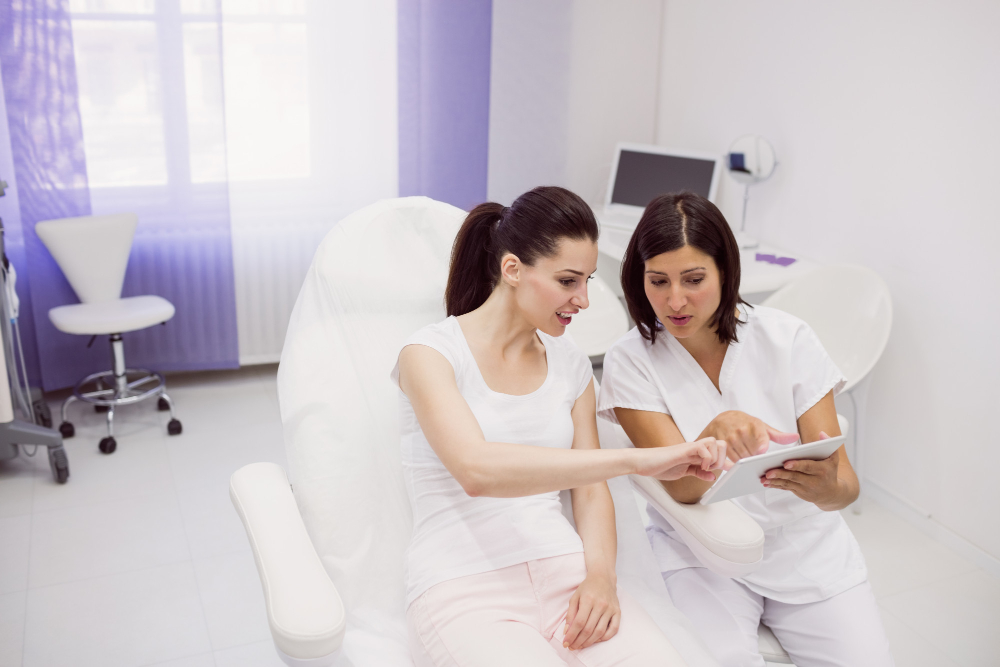
Choosing the right clinic for intimate whitening involves more than addressing pigmentation. It is about understanding your skin, choosing suitable treatments, and ensuring that delicate areas receive appropriate care.
At Anew, the focus is on personalised aesthetic treatments that consider your individual skin concerns and goals. Whether you are concerned about pigmentation around the bikini line, inner thighs, or other suitable external intimate areas, a consultation can help you understand the possible causes and explore appropriate treatment options. The aim is to help you make informed decisions based on your skin's needs rather than follow a one-size-fits-all approach.
At Anew, your intimate whitening journey can begin with a discussion about your concerns, skin sensitivity, and expected outcomes. Understanding the available procedures, their limitations, and the precautions involved helps you approach treatment with realistic expectations. The team can guide you on suitable options, recommended aftercare, and steps to minimise irritation that may contribute to further pigmentation.
If you are considering intimate whitening in Bangalore, Anew provides an opportunity to explore your concerns in a professional setting and understand which options may be appropriate for you. The emphasis remains on skin safety, individualised guidance, and supporting a more even-looking skin tone without promising unrealistic results.
How Long Does Intimate Whitening Take to Show Results?
The time required to see results from intimate whitening depends on the cause of pigmentation, the treatment selected, and your skin's response. Improvements are generally gradual, and individual results may vary.
1. Depends on the Treatment
Topical pigmentation treatments may take several weeks or longer to show visible improvement, while clinic-based procedures may have different timelines depending on the method used and the skin concern being addressed.
2. Number of Sessions Required
Some treatments may require multiple sessions spaced over several weeks. The number of sessions depends on the extent of pigmentation, the treatment area, and how well your skin responds.
3. Type and Depth of Pigmentation
Superficial pigmentation may respond differently from deeper or persistent pigmentation. Identifying the underlying cause helps establish realistic expectations for treatment.
4. Individual Skin Response
Skin type, sensitivity, hormonal influences, and recurring friction can affect the pace of improvement. Following the recommended aftercare can help minimise irritation and support recovery.
5. Importance of Professional Guidance
If you are exploring intimate wellness treatment in Bangalore, a consultation at Anew can help you understand suitable options, expected timelines, and the care required to achieve gradual, realistic improvements. Complete removal of pigmentation cannot be guaranteed, as some degree of natural skin colour variation may remain.
Frequently Asked Questions
Intimate whitening treatment may be suitable for some skin types, but the right approach depends on skin sensitivity, the cause of pigmentation, and the treatment area. A professional consultation helps determine the safest option for your skin.
Yes, certain treatments may help improve the appearance of pigmentation caused by irritation, ingrown hairs, or repeated hair removal. Addressing the underlying irritation is also important to help prevent further darkening.
Downtime depends on the procedure. Some topical treatments may require little adjustment to your routine, while chemical peels or laser procedures can cause temporary redness, sensitivity, or peeling. Follow your practitioner's aftercare instructions.
Depending on your skin condition and treatment plan, both concerns may be addressed. However, the procedures may need to be scheduled separately to reduce the risk of irritation. Your practitioner can recommend an appropriate treatment sequence.
Permanent removal cannot be guaranteed. Results depend on the cause of pigmentation, the treatment used, and factors such as hormonal changes and recurring friction. Some pigmentation may return, and natural differences in skin tone may remain.
The level of discomfort varies with the procedure and individual skin sensitivity. Some treatments may cause mild stinging, warmth, or temporary irritation. Your practitioner should explain what to expect before the procedure.
You may be able to consider intimate whitening before your wedding, depending on the treatment and your skin's suitability. Plan well in advance because results can take time, and some procedures require recovery. Avoid trying new or aggressive treatments immediately before the event.
Not all intimate whitening products are safe for delicate skin. Products containing harsh bleaching agents, unprescribed steroids, or other unsuitable ingredients may cause irritation and worsen pigmentation. Use only products recommended by a qualified healthcare professional.
Seek medical evaluation if the darkening develops suddenly, spreads rapidly, or occurs with itching, pain, a rash, unusual discharge, or thickened skin. These changes may indicate an underlying condition that should be assessed before cosmetic treatment.
Start with a consultation to understand the cause of pigmentation, assess skin sensitivity, and discuss suitable treatment options. At Anew, you can enquire about available intimate whitening services and the expected results, risks, and aftercare before deciding whether to proceed.