Customers Served
Client Recommendation
Years of Doctor Experience
Clear, even-toned skin doesn’t always happen on its own, and pigmentation can be one of the most frustrating skin concerns to deal with. From stubborn melasma and sunspots to post-acne marks and tanning, different types of pigmentation need different approaches. So, before reaching for another product that promises overnight results, it helps to understand your skin first. Anew offers pigmentation treatment in Bangalore with a personalised approach that considers your pigmentation type, skin condition and individual concerns, helping you work towards a more even, refreshed and naturally radiant complexion.
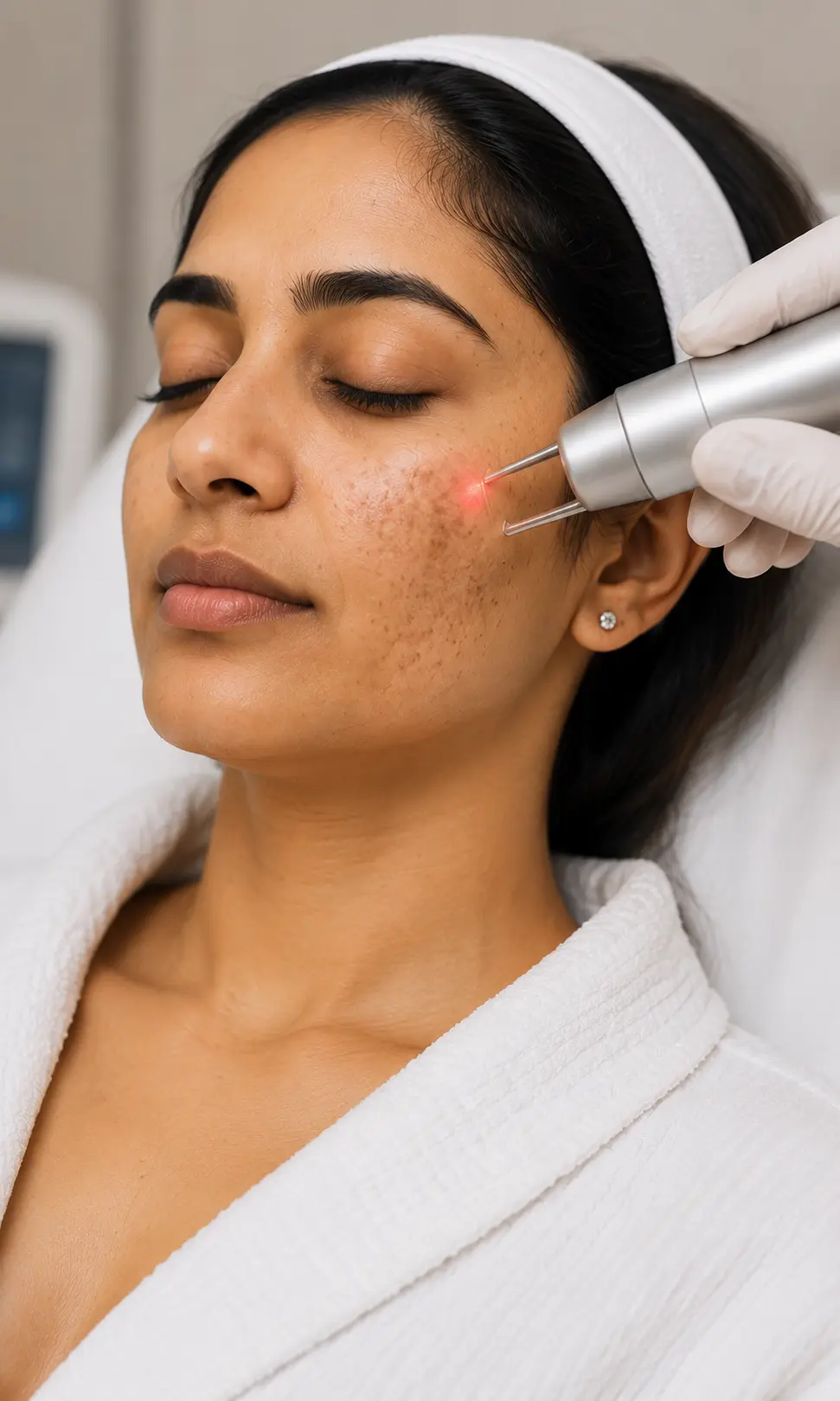
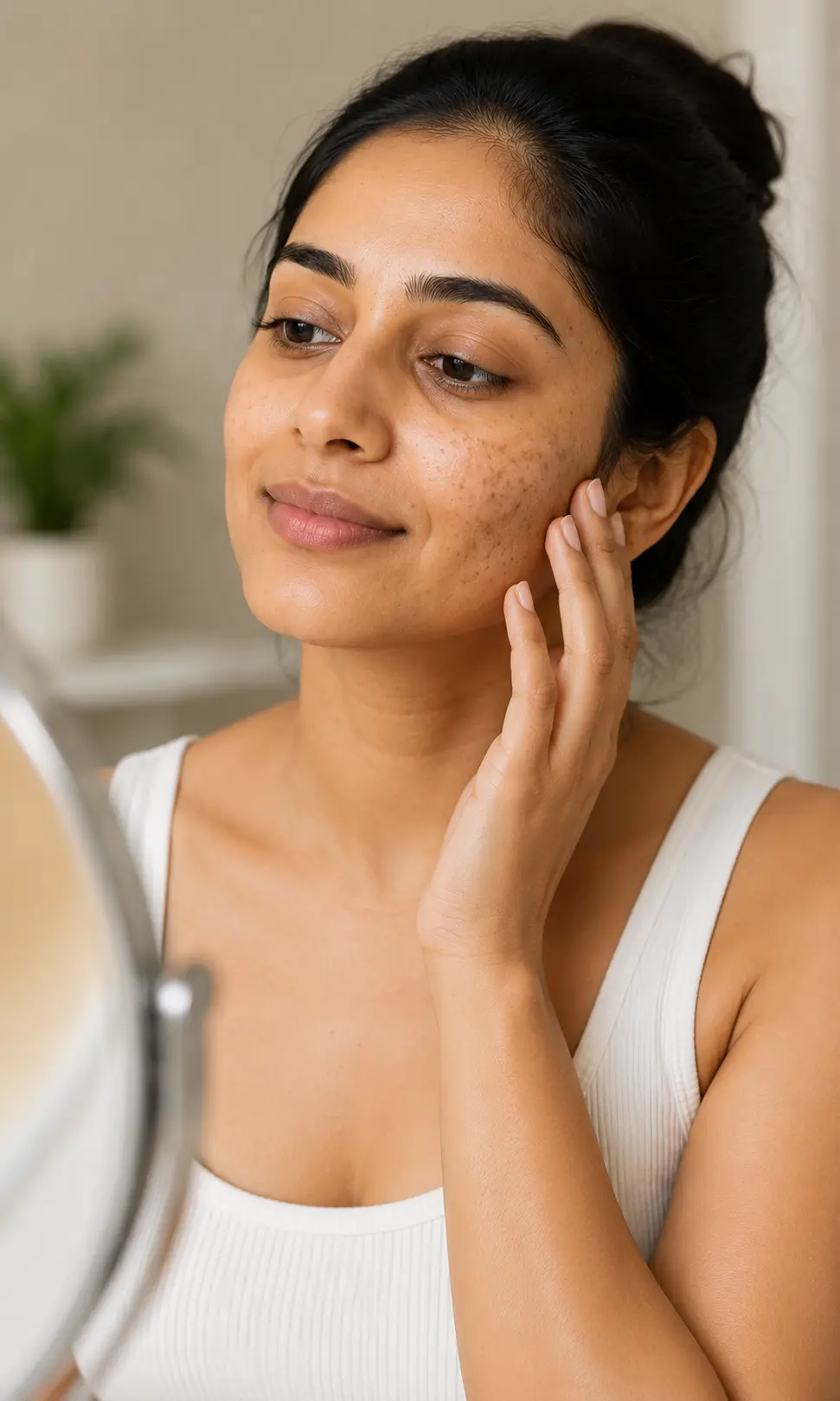
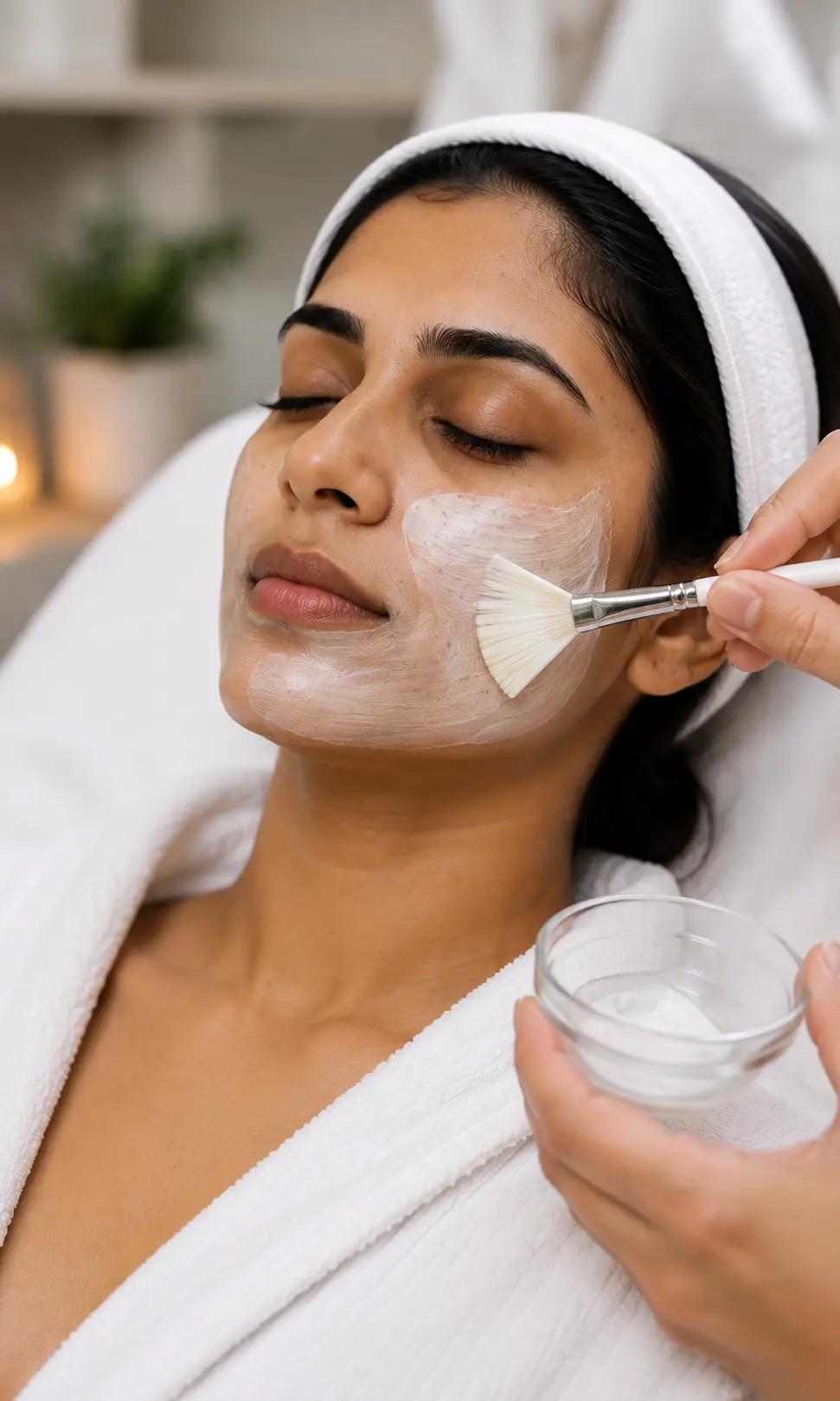
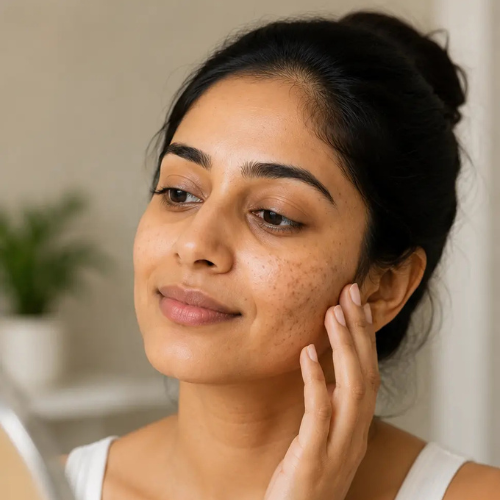
Noticed your skin looking a little uneven lately? Pigmentation could be the reason. It refers to changes in your natural skin colour when melanin, the pigment that gives your skin its colour, is produced or distributed unevenly. This can result in dark spots, patches, freckles, melasma or marks left behind after acne and inflammation. Sun exposure is one of the most common triggers, but hormones, ageing, skin injuries and certain conditions can also contribute. Pigmentation can appear on the face as well as areas such as the neck, hands and underarms. It’s usually harmless, but persistent pigmentation may need professional assessment to understand its cause and determine the most appropriate way to manage it.
Targets excess pigmentation and promotes a clearer, more even complexion.
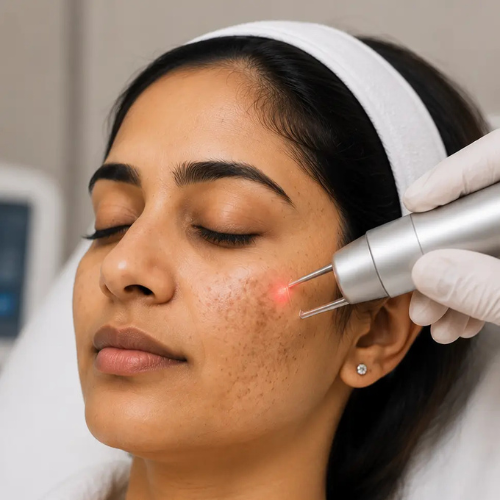
Uses advanced laser technology to target pigmentation and improve skin tone.
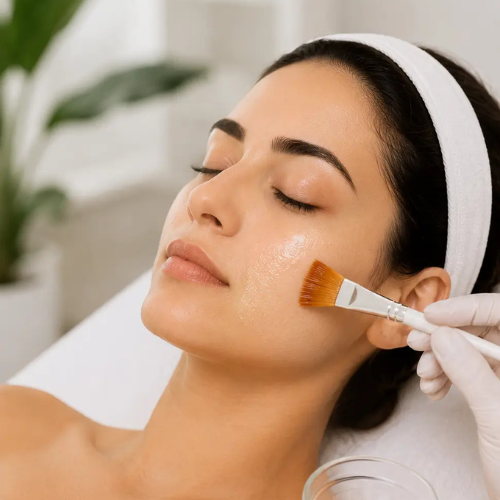
Exfoliate damaged skin cells, reducing pigmentation and revealing brighter, smoother-looking skin.
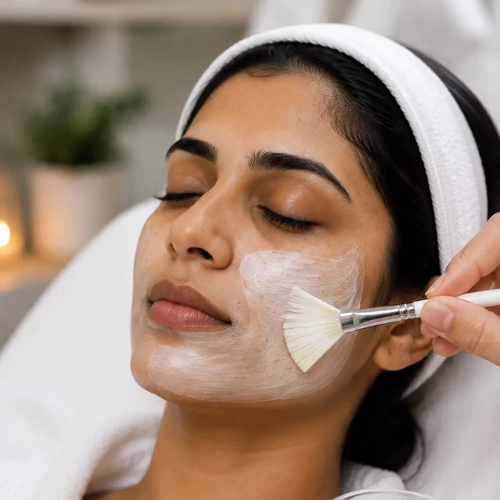
Helps reduce stubborn pigmentation, melasma, dark spots, and uneven skin tone.
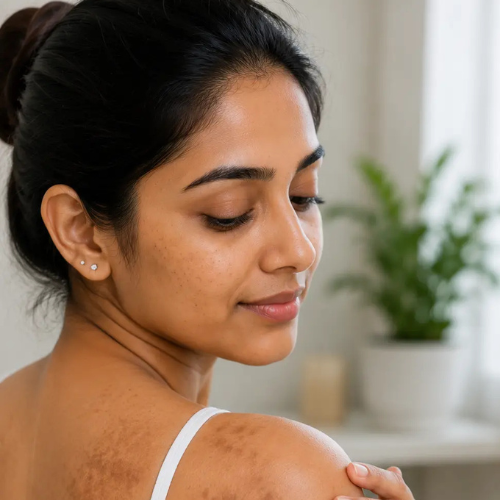
Target pigmentation while encouraging skin renewal for a brighter, more uniform complexion.
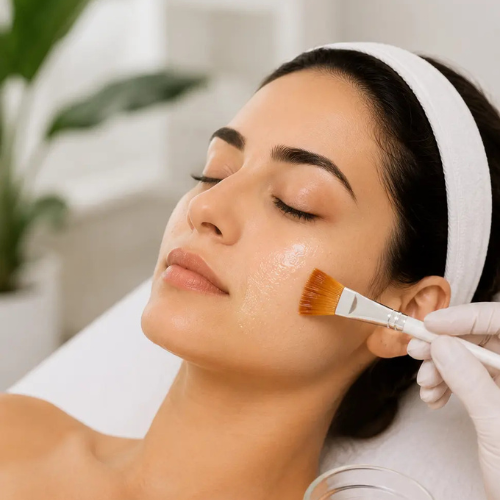
Supports pigmentation management with dermatologist-recommended products tailored to your skin.
Ever wondered why some areas of your skin suddenly look darker than the rest? Pigmentation can have several triggers, and understanding what is causing it is often the first step towards managing it effectively.
Not all pigmentation looks the same, and more importantly, not all pigmentation has the same cause. From tiny freckles to larger patches of melasma, identifying the type of pigmentation can help determine a more suitable treatment approach.
If you’ve noticed pigmentation appearing easily or lingering longer on your skin, you’re certainly not alone. Indian skin typically has higher melanin activity, which provides some natural protection from UV radiation but can also make pigmentation more noticeable after inflammation or sun exposure.
Searching for one magic solution that works for every dark spot? Unfortunately, pigmentation isn’t quite that simple. The most suitable treatment depends on the type, cause, depth, skin type and severity of pigmentation.
The good news is that pigmentation treatment doesn’t usually mean undergoing surgery. Several non-surgical options can be used to address pigmentation, depending on its type, severity and your individual skin requirements.
Wondering whether pigmentation treatment is actually right for you? If persistent dark spots, patches, tanning or uneven skin tone are bothering you, a professional skin assessment can help determine whether treatment may be appropriate.
Pigmentation treatment isn’t simply about making a few dark spots disappear. With the right approach, it can help improve the overall appearance of your complexion while addressing specific pigmentation concerns.
So, what actually happens when you decide to treat pigmentation professionally? The process usually starts with understanding your skin, not simply choosing a treatment, so that the approach can be tailored to your specific concern.
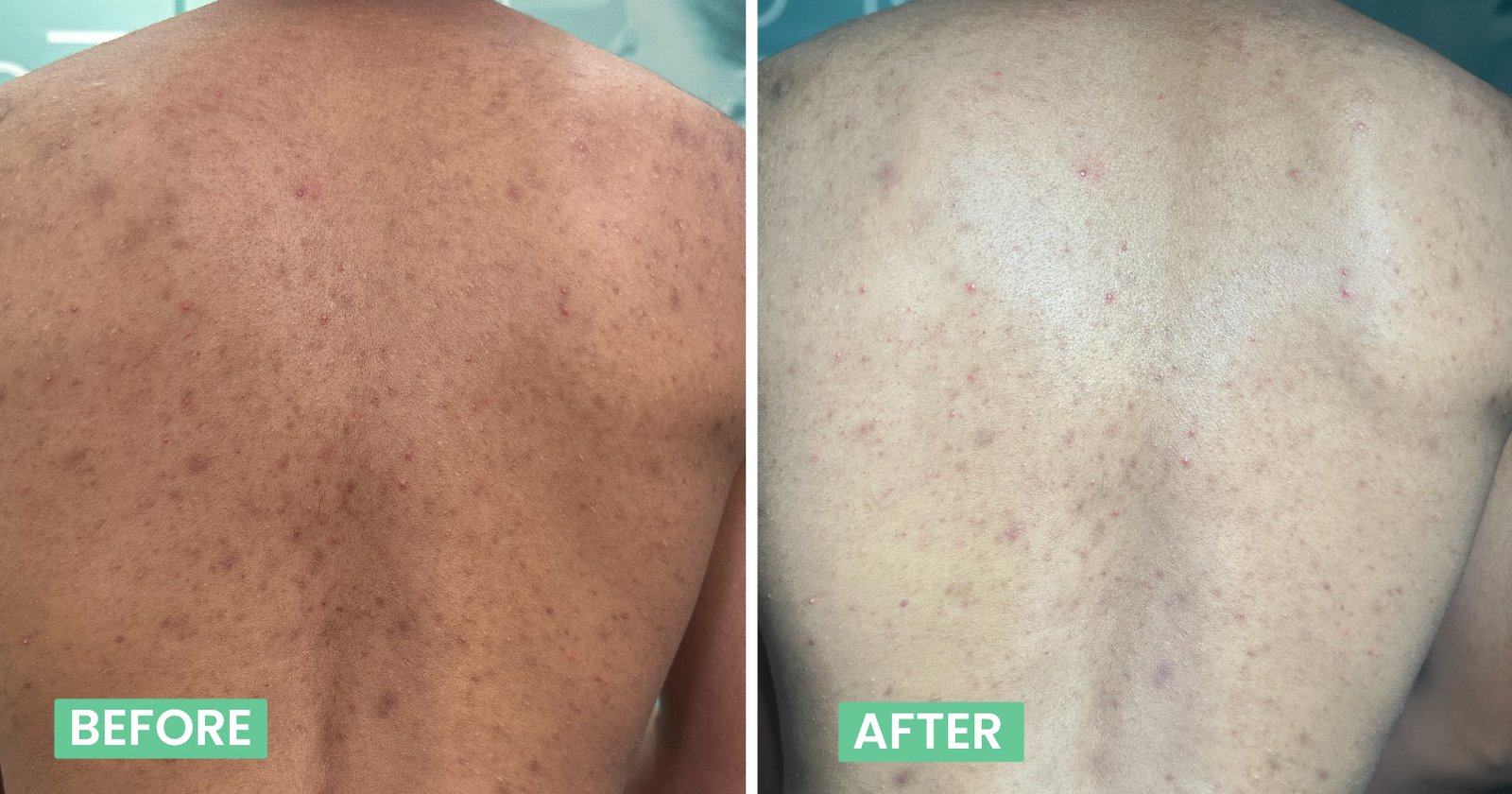
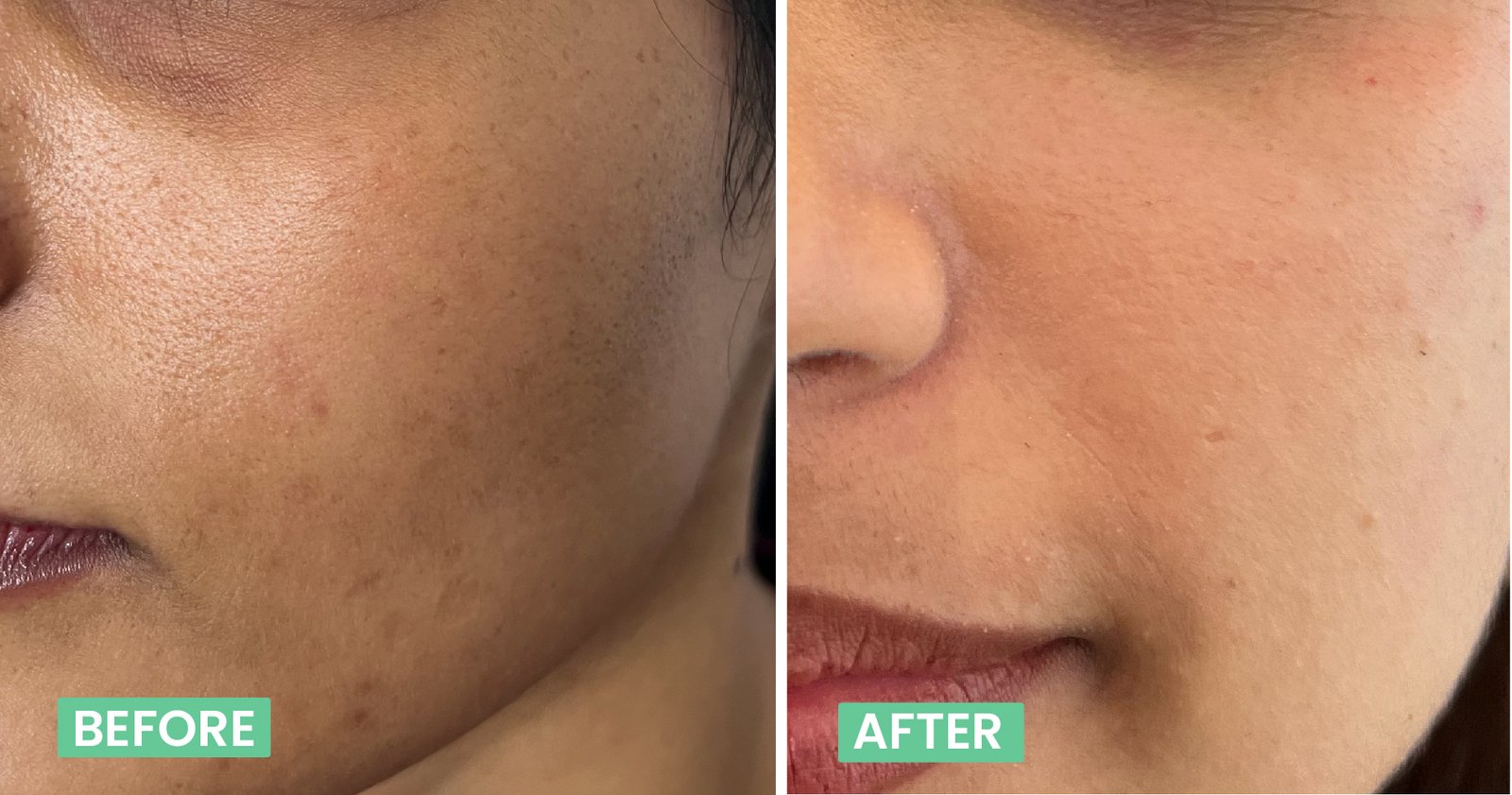
Absolutely, hormonal changes are one of the common reasons pigmentation can develop or become more noticeable, particularly in women. Changes during pregnancy, menstruation, menopause, or while taking certain hormonal medications can stimulate melanin production and contribute to conditions such as melasma. This may appear as brown or darker patches, especially around the cheeks, forehead, nose, or upper lip. Hormonal pigmentation can sometimes be persistent and may become more noticeable with sun exposure. If you’re experiencing recurring pigmentation, a consultation can help identify the underlying trigger and determine whether pigmentation treatment in Bangalore could be suitable for your skin.
It can be frustrating when pigmentation improves and then seems to return, but recurrence is quite common with certain types of pigmentation. This is because treatments address existing pigmentation, while triggers such as sunlight, hormonal fluctuations, acne, inflammation, or heat may continue affecting the skin. Melasma, in particular, can require ongoing management rather than a one-time treatment. Consistent sunscreen use, appropriate skincare and following your doctor’s maintenance plan can help reduce recurrence. The best pigmentation treatment in Bangalore is therefore not just about reducing visible pigmentation but also understanding its cause and managing the factors that may trigger it again.
Yes, pigmentation caused by acne can often be improved with the right approach. When a pimple heals, inflammation can sometimes leave behind a darker mark known as post-inflammatory hyperpigmentation. These marks may gradually fade, but stubborn pigmentation can remain for months, especially when the skin is repeatedly exposed to sunlight. Depending on your skin type and the severity of the marks, treatments such as chemical peels, laser-based procedures and medical-grade skincare may be recommended. A professional assessment can help determine the most suitable approach rather than treating the marks blindly. With appropriate care, acne-related pigmentation can become significantly less noticeable.
There isn’t one pigmentation treatment that is automatically the best for every Indian skin type. Indian skin can be more prone to pigmentation, particularly after acne, inflammation or excessive sun exposure, so treatment needs to be selected carefully. Depending on the type and severity of pigmentation, options may include laser skin toning, Lumenis laser treatment, chemical peels, Cosmelan Peel, Mesopeel depigmentation peels or medical-grade skincare. A skin assessment is important before choosing a treatment. At Anew, the pigmentation treatment in Bangalore can be personalised according to your skin type, pigmentation concern and individual treatment requirements.
Laser treatments are generally designed to improve pigmentation, but temporary skin darkening can occasionally occur as a reaction to treatment, particularly in pigmentation-prone skin. This is why choosing the appropriate laser, settings and treatment approach is important, especially for Indian skin types. Your skin should be assessed beforehand so the procedure can be planned according to its sensitivity and pigmentation characteristics. Following post-treatment instructions, particularly regarding sun protection, is equally important. If you’re considering pigmentation treatment near me, it’s worth choosing a qualified clinic where your skin is properly evaluated before a laser procedure is recommended.
Pigmentation can develop at almost any stage of life, from adolescence through adulthood and later years. However, the reason behind pigmentation can differ depending on your age, lifestyle, hormones and overall skin condition. Acne-related pigmentation may be more common among younger individuals, while sunspots and age-related pigmentation may become more noticeable later. Instead of focusing only on age, a professional assessment can determine whether treatment is appropriate for you. Depending on your skin and pigmentation, options such as peels, laser treatments or medical-grade skincare may be considered. The treatment plan should always be customised to your individual skin needs.
A little preparation can go a long way when you’re getting ready for pigmentation treatment. Start by following the specific instructions provided by your doctor during your consultation. You may be advised to minimise sun exposure and use sunscreen consistently before your appointment. Depending on the procedure, certain active skincare ingredients, exfoliants or other treatments may need to be temporarily avoided. Avoid experimenting with new products or aggressive home remedies immediately before your appointment, as irritation can affect your skin’s response. If you’re planning pigmentation treatment in Bangalore, your doctor will guide you through the preparation required for your chosen treatment.
Most pigmentation treatments are well tolerated, although the level of discomfort can vary depending on the procedure and your individual sensitivity. Laser treatments may cause a mild warming, snapping or tingling sensation, while chemical peels can produce temporary stinging or warmth. Your doctor will explain what you can expect before the treatment begins and may recommend appropriate measures to keep you comfortable. The experience can also vary depending on the area being treated and the intensity of the procedure. If you’re considering pigmentation treatment in Bangalore, discussing any concerns about discomfort during your consultation can help you feel more prepared.
Pigmentation can often be significantly improved, but whether it completely disappears depends on its type, depth, cause and how your skin responds to treatment. Some concerns, such as certain sunspots or superficial pigmentation, may respond particularly well to treatment. Others, including melasma, can be more persistent and may require long-term management because hormonal and environmental triggers can cause recurrence. Treatments such as laser procedures, chemical peels and medical-grade skincare can help reduce the appearance of pigmentation when appropriately selected. Maintaining sun protection and following your skincare plan is also important for supporting and maintaining your results.
There isn’t a fixed price for pigmentation treatment because the cost depends on several individual factors. The type of pigmentation, treatment selected, area being treated, number of sessions required and your overall treatment plan can all influence the final cost. For example, the cost of laser treatment may differ from that of a chemical peel or a specialised depigmentation treatment. A consultation allows your skin to be assessed and the appropriate treatment to be recommended before discussing the associated cost. If you’re searching for pigmentation treatment near me, Anew can help you understand your options and create a personalised treatment plan.

At Anew advanced aesthetic daycare centre we are dedicated to a sole principle of improving and rejuvenating the skin and body to improve the aesthetic appearance and the functionality.
Acne Treatment in Bangalore
Birthmark Removal in Bangalore
Stretch Mark Removal in Bangalore
Acne Scar Treatment in Bangalore
Scar Reduction Treatment in Bangalore
Laser Hair Removal in Bangalore
Laser Wart Removal in Bangalore
Laser Treatment for Vascular Lesions in Bangalore
Pigmentation Treatment in Bangalore
Dark Circles Treatment in Bangalore
Skin Lightening Treatment in Bangalore
Anti-Aging Treatment In Bangalore
Laser Skin Resurfacing in Bangalore
Vaginal Rejuvenation in Bangalore
Vaginoplasty in Bangalore
Eyelid Surgery in Bangalore
Butt Lift Treatment in Bangalore
Double Chin Removal in Bangalore
Fat Grafting in Bangalore
Mommy Makeover in Bangalore
Facial Implant Surgery in Bangalore
Gynecomastia Surgery in Bangalore
Breast Enlargement in Bangalore
Weight loss Treatment in Bangalore
Tummy Tuck in Bangalore
Hymenoplasty in Bangalore
Labiaplasty in Bangalore
Breast Enlargement Surgery in Bangalore
Breast Lift Surgery in Bangalore
Facelift Surgery in Bangalore
Brow Lift Surgery in Bangalore
Rhinoplasty in Bangalore
Dimple Creation in Bangalore
16/1, Bendre Nagar, 9th cross, Banashankari 2nd Stage, Bangalore, Karnataka, Pin: 560070 India
Email : info@anew.co.in
9.30 am - 9.30 pm
c/o Vydehi Institute Of Medical Sciences And Research Centre, 5th Floor , 82 Near BMTC 18th Depot Nallurahalli, EPIP Zone, Whitefield, Bengaluru, Karnataka 560066
Email : info@anew.co.in
9.30 am - 9.30 pm
ANEW COSMETIC CENTRE , AT , COURTYARD 181, Resort , H.No 181/1 , Sorronto Vaddo , Near starco junction , Anjuna Beach Road , Anjuna - Bardez , Goa - 403509 .
Email : info@anew.co.in
11 .00 am - 8.00 pm
Shuweiz 3rd Floor, Ameer Ahmed Magu, Malé, Maldives
Email : info@anew.co.in
11 .00 am - 8.00 pm
7 John St, Stratford-upon-Avon CV37 6UB, United Kingdom
11.00 am - 8.00 pm