

Are Chemical Peels Good for Active Acne?
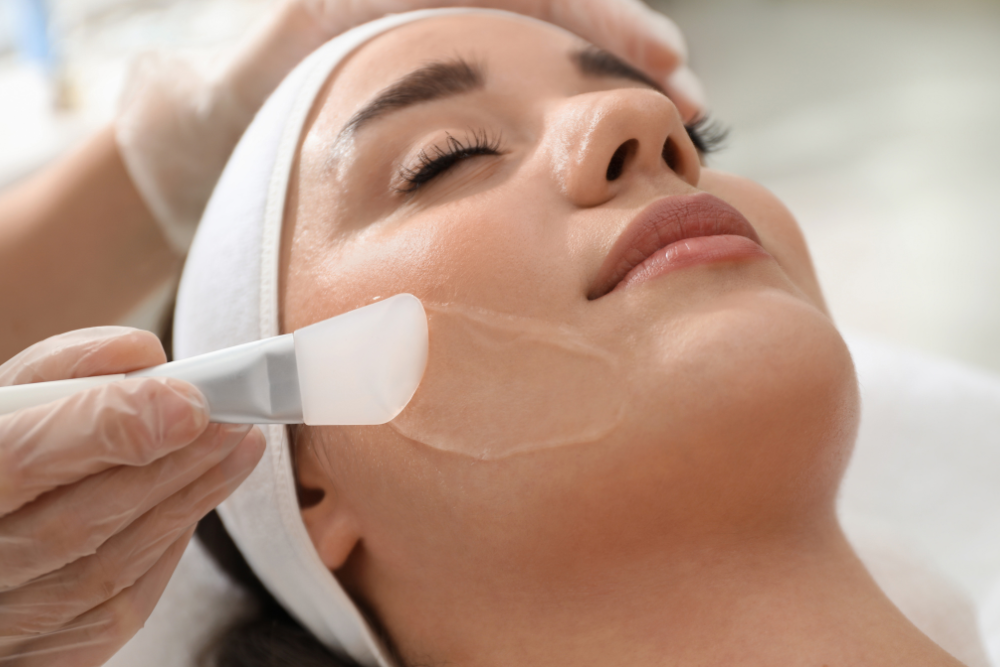
Acne has a way of making you try almost everything. A new face wash, a spot treatment recommended by a friend, a skincare product that promised clear skin in seven days, or another ingredient you saw trending online. But when active acne continues to show up despite your efforts, it is natural to start looking at professional treatments. That is where chemical peels often enter the conversation.
But are chemical peels good for active acne, or can they make irritated, inflamed skin even worse?
The answer is not a simple yes or no. Chemical peels can be helpful for certain types of active acne because they work by exfoliating the skin, unclogging pores, reducing excess oil, and improving the overall appearance of acne-prone skin. However, the type of peel, its strength, the ingredients used, and the condition of your skin all matter. A peel that works well for one person may not be suitable for someone dealing with severely inflamed or irritated acne.
This is why choosing a professional treatment over randomly trying a peel at home can make a significant difference. At a trusted Skin Clinic in Bangalore, a skin expert can assess whether your acne is mainly caused by clogged pores, excess oil, inflammation, hormonal factors, or a combination of different concerns. Based on this, the treatment can be planned according to what your skin actually needs.
If you have been wondering whether a chemical peel is the right next step for your acne, this guide will help you understand how the treatment works, when it may be beneficial, when caution is necessary, and what you should realistically expect. So, before booking your appointment, let us take a closer look at one important question: are chemical peels good for active acne?
What Are Chemical Peels and How Do They Work on Acne-Prone Skin?
Chemical peels are professional skin treatments that use carefully selected acids or chemical solutions to exfoliate the skin. Depending on the type and strength of the peel, the treatment can work on the surface of the skin or penetrate deeper layers.
For people dealing with acne, the goal is usually not simply to make the skin peel. The aim is to address some of the factors that contribute to breakouts and congestion.
Here are some of the main ways chemical peels can support acne-prone skin:
1. They Help Unclog Pores
- One of the main reasons acne develops is because pores become blocked with excess oil, dead skin cells, and debris.
- Chemical peels can help encourage the shedding of dead skin cells, which may reduce the buildup that contributes to blackheads and whiteheads.
2. They Can Reduce Excess Oil
- Certain chemical peels, particularly those selected for oily and acne-prone skin, may help manage excess sebum.
- When the skin produces too much oil, pores are more likely to become congested.
- By improving the overall condition of oily skin, peels may help reduce one of the factors linked to recurring breakouts.
3. They Improve Skin Cell Turnover
- Healthy skin naturally sheds old cells and replaces them with newer ones.
- However, when dead cells accumulate on the surface, they can contribute to dullness and clogged pores.
- Chemical exfoliation can support a more regular skin renewal process.
4. They Can Help With Blackheads and Whiteheads
- Comedonal acne, which includes blackheads and whiteheads, often responds well to treatments that target clogged pores.
- Depending on your skin type and acne condition, a suitable peel may help reduce congestion over time.
5. They May Improve the Appearance of Acne Marks
- Even after a breakout heals, it can leave behind redness, dark spots, or uneven pigmentation. Chemical peels may also be used as part of a treatment plan for post-acne marks, although active acne and acne marks may need to be approached differently.
The important thing to remember is that a chemical peel should not be chosen just because it is popular. At a professional Skin Clinic in Bangalore, the peel can be selected based on your acne type, skin sensitivity, skin tone, and current skincare routine.
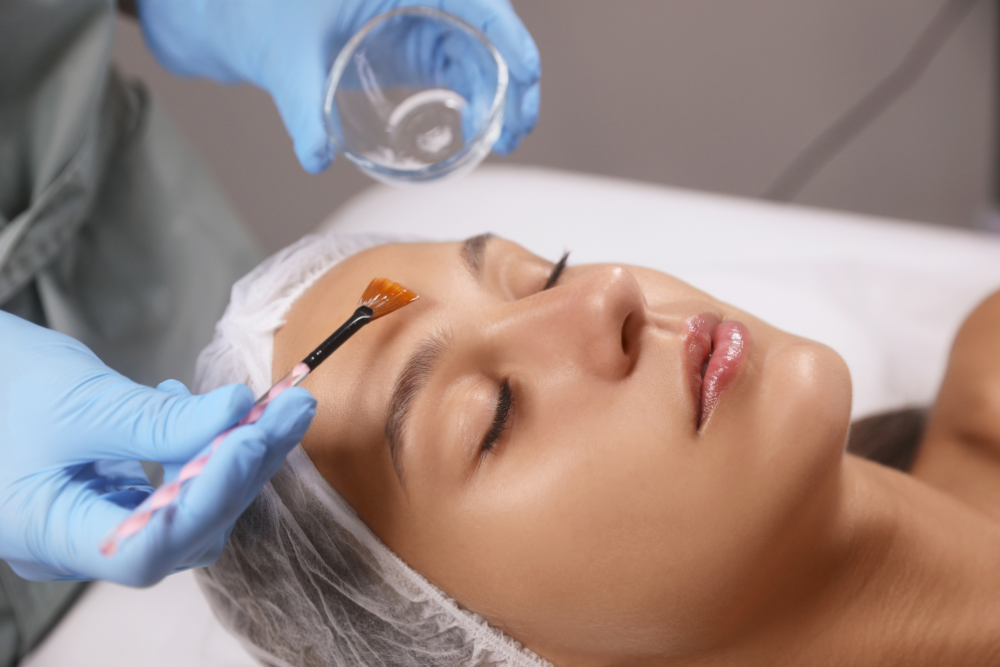
Are Chemical Peels Good for Active Acne? Understanding the Real Answer
So, are chemical peels good for active acne? In many cases, they can be beneficial, especially when the acne is related to clogged pores, excess oil, blackheads, and whiteheads. However, active acne is not the same for everyone.
Someone with mild congestion and frequent whiteheads may have very different skin needs from someone with painful cystic acne or severely inflamed breakouts. This is why chemical peels should be considered as part of an individualised treatment approach.
Here are five important factors that determine whether a chemical peel may be suitable.
The Type of Acne You Have
Mild to moderate acne involving blackheads, whiteheads, and small breakouts may respond differently from severe inflammatory or cystic acne. A professional assessment helps determine whether a peel is appropriate at that stage.
The Level of Skin Inflammation
If your skin is extremely red, painful, irritated, or inflamed, aggressively exfoliating it may not be the right first step. The skin may need to be calmed and treated before introducing a peel.
The Ingredients in the Peel
Different chemical peels work in different ways. Some ingredients are commonly used for oily and congested skin, while others are more suitable for pigmentation, texture, or signs of ageing. Choosing the wrong peel can lead to unnecessary irritation.
Your Current Skincare Routine
Using strong active ingredients at home may affect how your skin responds to a chemical peel. Products containing exfoliating acids, retinoids, or other potent ingredients may need to be reviewed before treatment.
Your Skin Tone and Sensitivity
Indian skin can be more prone to post-inflammatory pigmentation after irritation or inflammation. This makes professional peel selection particularly important. The goal should be to improve the skin without causing unnecessary irritation that could lead to dark marks.
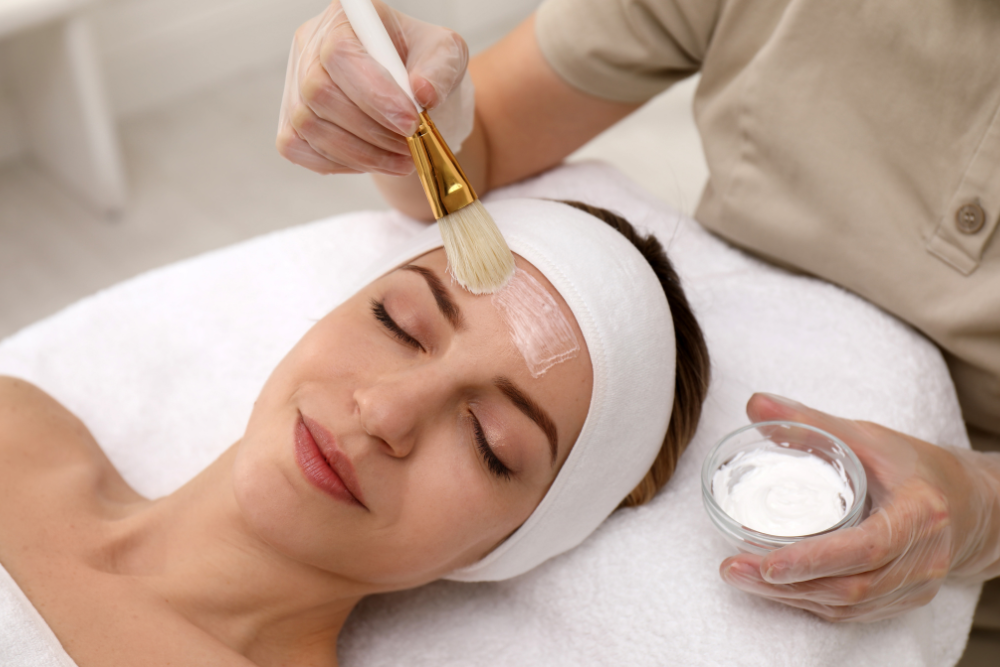
Different Types of Chemical Peels Used for Acne-Prone Skin
Not all chemical peels are designed for the same purpose. Some are primarily used to address congestion and oiliness, while others may focus more on pigmentation, texture, or skin renewal.
Salicylic Acid Peels: Salicylic acid is commonly associated with oily and acne-prone skin. It is oil-soluble, which allows it to work within the oily environment of the pores. It may help with congestion, blackheads, and whiteheads when used appropriately.
Glycolic Acid Peels: Glycolic acid is an alpha hydroxy acid that works mainly on the surface of the skin. It can help improve exfoliation and skin texture. Depending on the formulation and skin condition, it may also be used as part of an acne and pigmentation treatment plan.
Lactic Acid Peels: Lactic acid is often considered a gentler exfoliating option compared with some stronger acids. It may be used when a professional wants to improve skin renewal while taking skin sensitivity into consideration.
Combination Peels: Some treatments combine different ingredients to address multiple concerns at the same time. For example, a peel may be planned to support acne control while also considering pigmentation or uneven texture.
Customised Professional Peels: Sometimes the best approach is not a standard treatment at all. A dermatologist or qualified skin professional may select the type, concentration, and treatment frequency based on how your skin responds over time.
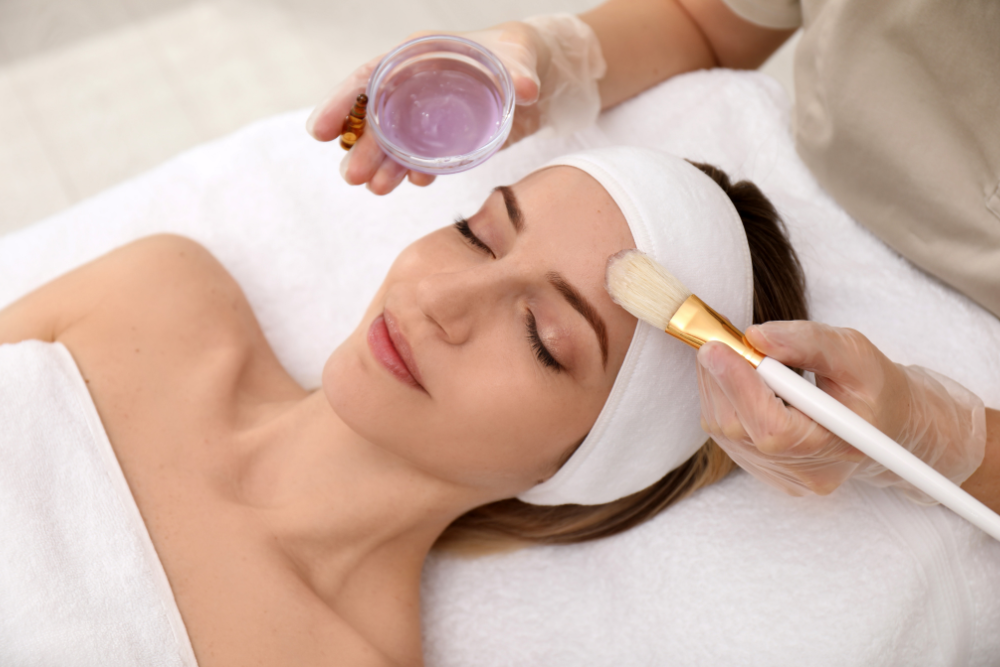
When Chemical Peels May Be Helpful for Active Acne
Chemical peels can be considered when the skin condition and acne type make them an appropriate option. They may be particularly useful in the following situations.
1. When You Have Frequent Blackheads
Blackheads form when pores become clogged. A professionally selected peel can support exfoliation and help reduce the buildup of dead skin cells and oil.
2. When Whiteheads Keep Returning
Repeated whiteheads may indicate ongoing congestion within the pores. Chemical exfoliation can be used as part of a broader treatment approach to improve skin turnover.
3. When Your Skin Is Very Oily
Excess oil can contribute to clogged pores and recurring breakouts. Some peels are specifically chosen for oily and acne-prone skin.
4. When Acne Leaves Dark Marks Behind
Once active breakouts begin to settle, many people are left with post-acne pigmentation. A suitable chemical peel may help improve the appearance of uneven pigmentation as part of a professional treatment plan.
5. When Your Skin Looks Congested and Uneven
Acne-prone skin can sometimes feel rough, dull, or congested even when there are not many inflamed pimples. Gentle and appropriate chemical exfoliation may help improve overall skin texture.
6. When Home Skincare Is Not Giving You the Results You Expected
Using more and more products is not always the answer. If your acne is persistent, a professional assessment can help identify whether treatments such as chemical peels may fit into your skincare plan.
When Should You Be Careful About Getting a Chemical Peel?
Chemical peels can be useful, but more treatment is not always better treatment. There are situations where a peel may need to be postponed, modified, or avoided until the skin is in a better condition.
| Skin Condition or Situation | Why Caution May Be Needed | Possible Professional Approach |
|---|---|---|
| Severely Inflamed Acne | The skin may already be irritated, red, and sensitive. Additional exfoliation may increase discomfort or irritation. | Focus on controlling inflammation first before considering a suitable chemical peel. |
| Painful Cystic Breakouts | Deep, inflamed acne may require a different treatment approach rather than immediate exfoliation. | A professional skin assessment can help determine the most appropriate treatment plan. |
| Damaged Skin Barrier | Exfoliating already compromised skin may increase dryness, sensitivity, and irritation. | Focus on restoring and strengthening the skin barrier before considering a peel. |
| Recent Use of Strong Active Ingredients | Combining chemical peels with strong exfoliants, retinoids, or other active ingredients may increase skin sensitivity. | Review your current skincare routine and follow professional advice before treatment. |
| History of Pigmentation After Irritation | Skin inflammation and irritation can sometimes lead to dark spots or post-inflammatory pigmentation. | Choose the type and strength of the peel carefully based on your skin tone and sensitivity. |
| Recent Professional Skin Procedures | The skin may still be recovering from another treatment and may be more sensitive than usual. | Allow adequate recovery time and follow the recommended interval before undergoing another procedure. |
What Can You Expect During a Professional Chemical Peel Treatment?
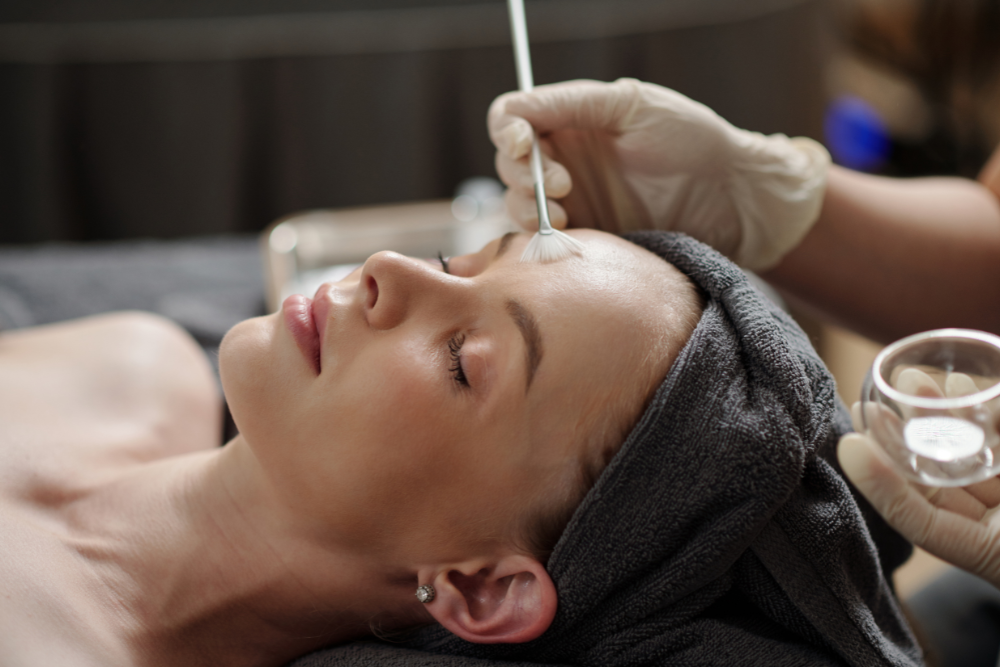
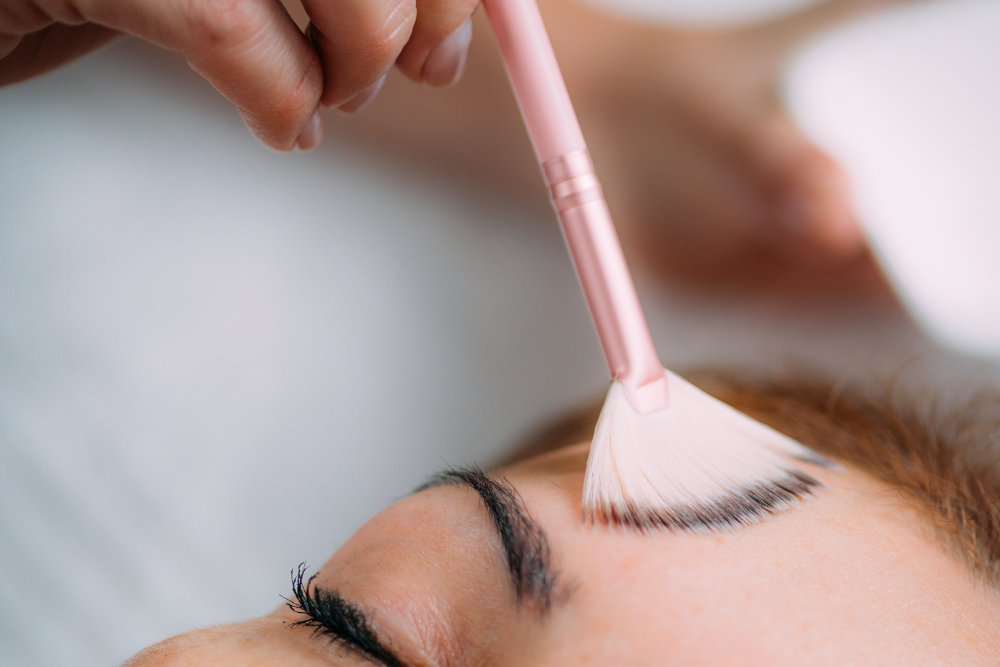
If you are visiting a professional clinic for a chemical peel, the experience is usually much more structured than applying an exfoliating product at home. The process may vary depending on the peel being used, but it generally involves several steps.
Step 1: Skin Assessment
Your skin is examined to understand your acne type, current level of inflammation, pigmentation, sensitivity, and overall skin condition. This is also the time to discuss your current skincare products and any previous treatments.
Step 2: Preparing the Skin
The skin is cleansed to remove makeup, sunscreen, oil, and other impurities. Proper preparation helps ensure that the treatment is applied appropriately.
Step 3: Applying the Peel
The selected peel is applied according to the treatment protocol. You may experience mild tingling, warmth, or a temporary stinging sensation depending on the peel.
Step 4: Monitoring the Skin
A professional monitors how your skin responds during the treatment. This is one of the reasons professional treatments are safer than experimenting with stronger acids without guidance.
Step 5: Neutralisation or Removal
Depending on the type of peel, the solution may be neutralised or removed according to the treatment process.
Step 6: Post-Treatment Care
After the treatment, calming and protective skincare products may be applied. You will also receive guidance on what to avoid and how to care for your skin in the days following the peel.

Why Anew Is the Best Skin & Aesthetic Clinic in Bangalore
Acne treatment should feel like a plan built around your skin, not a standard treatment selected from a menu. At Anew, the Best Skin & Aesthetic Clinic in Bangalore, the focus is on understanding your individual concerns before recommending a treatment.
Whether you are dealing with recurring breakouts, oily and congested skin, acne marks, uneven texture, or a combination of concerns, the right approach begins with evaluating what your skin needs at that particular stage.
Chemical peels can be helpful, but they are not automatically the answer for every type of active acne. At Anew, treatment selection can take your acne condition, skin sensitivity, pigmentation concerns, and overall skin health into account. This helps create a more personalised approach instead of relying on a one-size-fits-all solution.
For someone wondering are chemical peels good for active acne, a professional consultation can provide far more clarity than choosing a peel based on online trends or social media recommendations. The focus should be on selecting the right treatment and avoiding unnecessary irritation that could make the skin more difficult to manage.
As a trusted destination for advanced skin and aesthetic care, Anew aims to provide professional guidance for individuals looking to improve their skin with treatments suited to their specific concerns. Whether your goal is to manage active acne, reduce congestion, address post-acne marks, or improve overall skin quality, the treatment journey should start with understanding your skin properly.
Are Chemical Peels Good for Active Acne?
Acne can make skincare feel like a constant experiment. One week, you are trying to reduce oiliness. The next, you are dealing with fresh breakouts. Then, just when the acne begins to settle, you are left wondering what to do about the dark marks it leaves behind. It is easy to understand why chemical peels seem like an appealing option. They are often associated with smoother, clearer, and fresher-looking skin. But when you are dealing with current breakouts, the decision deserves a little more thought than simply booking the next available treatment.
So, are chemical peels good for active acne? They certainly can be, but only when they are suitable for your specific skin condition. A carefully selected chemical peel may help with clogged pores, excess oil, blackheads, whiteheads, and some of the concerns that often accompany acne-prone skin. At the same time, severely inflamed, painful, or highly irritated acne may need a different approach before exfoliation becomes part of the treatment plan.
If you have been repeatedly searching are chemical peels good for active acne, consider speaking to a professional rather than relying on trial and error. At a trusted Skin Clinic in Bangalore, your acne can be assessed based on its type, severity, level of inflammation, and your overall skin condition before a treatment is recommended.
