

At What Age Should You Consider Getting Botox?
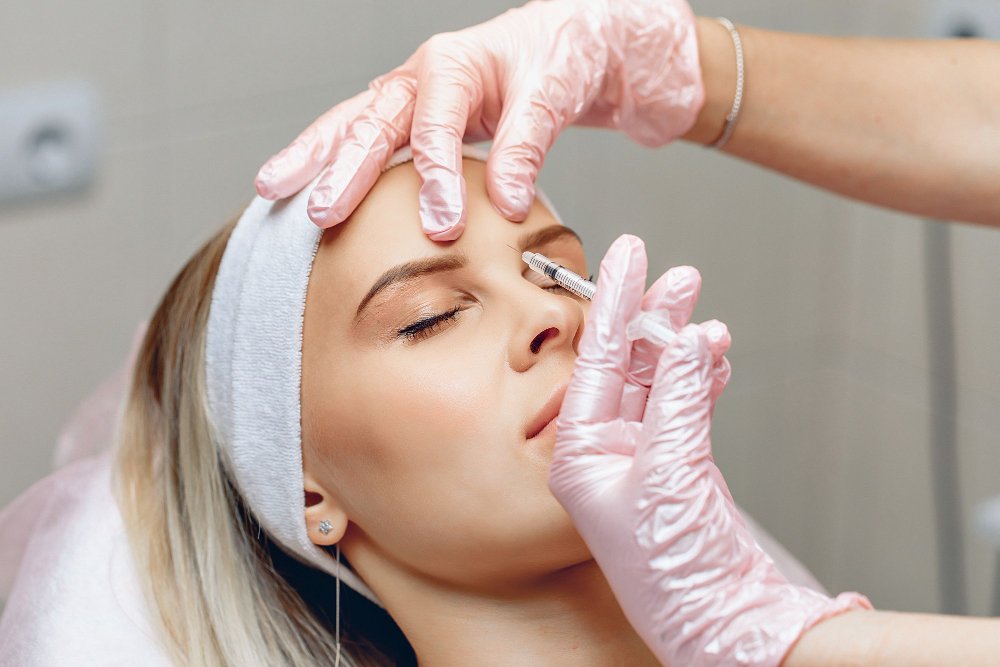
There is no particular birthday when you suddenly need Botox. You might start noticing fine lines on your forehead in your late twenties, while someone else may not see noticeable wrinkles until their forties. Even then, the decision to consider Botox is not simply about how old you are. It has more to do with your skin, facial expressions, individual concerns and what you hope to achieve from the treatment.
This brings up a common question: at what age should you consider getting botox? The truth is that there is no universal age that works for everyone. Some adults explore Botox in their late twenties or early thirties when expression lines begin to remain visible even after their face relaxes. Others consider it later, when forehead lines, frown lines or crow's feet become more noticeable. There are also people who choose not to get Botox at all, and that is perfectly fine.
If you are considering Botox in Bangalore, it is important to understand what the treatment can and cannot do before deciding whether it is right for you. Your age, skin condition, medical history and facial anatomy all matter when a dermatologist or qualified medical professional assesses your suitability. At Anew, an Aesthetic Clinic in Bangalore, the focus should be on understanding your concerns and discussing an appropriate treatment approach rather than recommending Botox simply because you have reached a certain age.
At What Age Should You Consider Getting Botox?
There is no medically fixed age at which everyone should start getting Botox. Adults may consider it when they begin noticing expression lines that remain visible even when their facial muscles are relaxed. For some, this may happen in their late twenties or early thirties. Others may not feel the need to explore treatment until their forties or later.
The important distinction is between getting Botox because you have a specific concern and getting it simply because you think you are supposed to at a certain age.
Here is how the conversation around Botox may differ across age groups.
1. Botox in your twenties
Your twenties are generally a time when the skin still has good natural elasticity and collagen support. However, repeated facial expressions, sun exposure and individual skin characteristics can cause fine lines to appear earlier in some people. At this stage, Botox is not automatically necessary. If you notice lines when you raise your eyebrows or smile, they may simply be normal expression lines.
Early expression lines: Some people begin noticing faint forehead lines or frown lines due to repeated muscle movement.
Strong facial movements: People who frequently squint or frown may develop more noticeable expression lines over time.
Preventive treatment discussions: Some adults explore Botox before lines become deeply established, although evidence for routine preventive Botox is limited.
Skincare should remain a priority: Sunscreen, moisturisers and suitable skincare ingredients are important for maintaining skin health.
Professional assessment matters: A qualified practitioner can help determine whether Botox is appropriate or whether your concerns can be addressed through other approaches.
Getting Botox in your twenties should be a personal decision based on a genuine concern, not a trend or pressure to start anti-ageing treatments early.
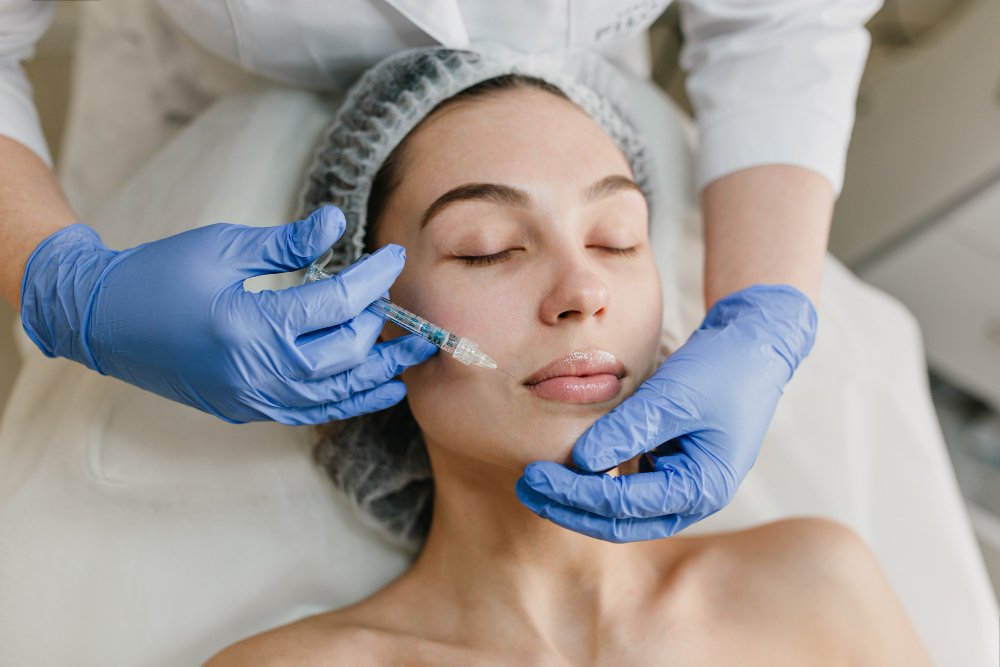
2. Botox in your thirties
For many people, their thirties are when expression lines become easier to notice. Lines that previously appeared only while frowning or smiling may start remaining visible even after the face relaxes. This can happen because repeated muscle movements gradually affect the skin, while natural collagen production begins to decline.
Forehead lines: Horizontal lines may become more noticeable when you raise your eyebrows.
Frown lines: Vertical lines between the eyebrows can become visible even when you are not actively frowning.
Crow's feet: Fine lines around the outer corners of the eyes may become more apparent when smiling or squinting.
Changing skin texture: Early signs of ageing, such as fine lines and reduced elasticity, may influence how expression lines appear.
Interest in subtle results: Some people consider Botox to soften specific lines while maintaining their natural facial expressions.
If you are exploring Botox in your thirties, the aim should be to address concerns that genuinely bother you. You do not need to treat every line or area of your face.
3. Botox in your forties
By your forties, expression lines may become more established. Some wrinkles that were previously visible only during facial movements may remain noticeable even when your face is at rest. Botox may help soften certain lines caused by muscle activity, although it cannot correct every sign of ageing.
More visible forehead lines: Repeated eyebrow movements may contribute to deeper horizontal lines.
Established frown lines: Lines between the eyebrows may become more prominent and remain visible when the face is relaxed.
Crow's feet: Wrinkles around the eyes may become more noticeable due to repeated smiling and squinting.
Individual treatment needs: Some people may benefit from Botox, while others may need a combination of treatments for different concerns.
Realistic expectations: Botox can soften muscle-related wrinkles, but it does not replace lost facial volume or improve significant skin laxity.
A consultation can help determine whether Botox alone is suitable or whether another treatment may be more appropriate for your concerns.
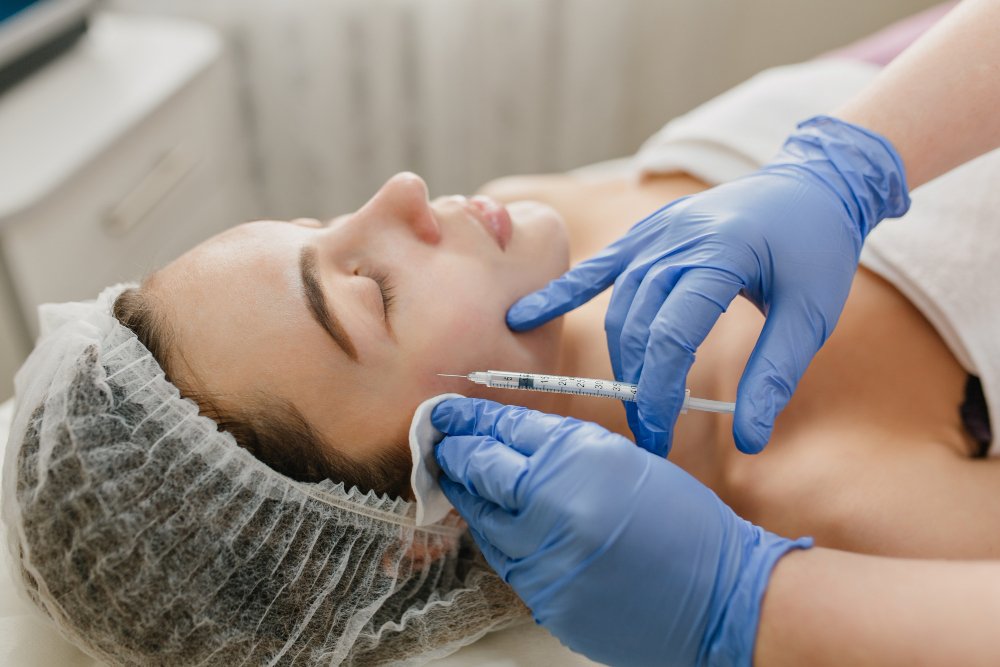
4. Botox in your fifties and beyond
Botox can also be considered by suitable adults in their fifties and later. Age alone does not automatically make someone unsuitable. However, the skin and facial structure may have changed considerably by this stage, so treatment planning needs to be individualised.
Persistent expression lines: Botox may soften wrinkles that develop due to repeated muscle movements.
Changes in skin firmness: Reduced elasticity and skin laxity may contribute to wrinkles that Botox cannot fully correct.
Volume-related changes: Loss of facial volume may create folds or hollows that require a different treatment approach.
Combination treatments: A practitioner may discuss other procedures if concerns involve skin quality, volume or laxity rather than muscle activity alone.
Medical suitability: Health conditions, medications and previous treatment history should be reviewed before proceeding.
Botox can still have a role in a mature skincare and aesthetic plan, but the treatment should be based on what is causing the lines rather than age alone.
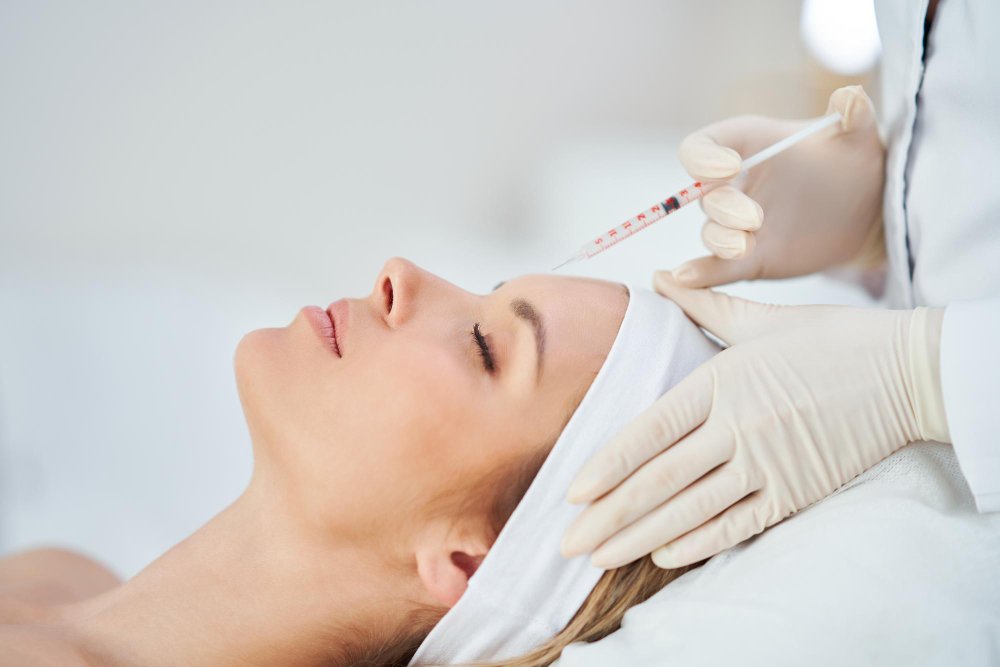
What Are the Benefits and Limitations of Botox?
Botox is a popular aesthetic treatment because it can soften certain wrinkles without surgery. However, it is important to understand both its benefits and its limitations before deciding whether to get it.
Benefits of Botox
Softens expression lines: Botox can reduce the appearance of forehead lines, frown lines and crow's feet caused by repeated muscle movements.
Does not involve surgery: The treatment is administered through injections and does not require surgical incisions.
Requires relatively little appointment time: The injection procedure itself is generally quick, although the consultation and preparation take additional time.
Results develop gradually: The effect usually becomes noticeable over several days, allowing the change to develop rather than appearing instantly.
Can be tailored to specific areas: The treatment plan can be adjusted according to facial anatomy and individual concerns.
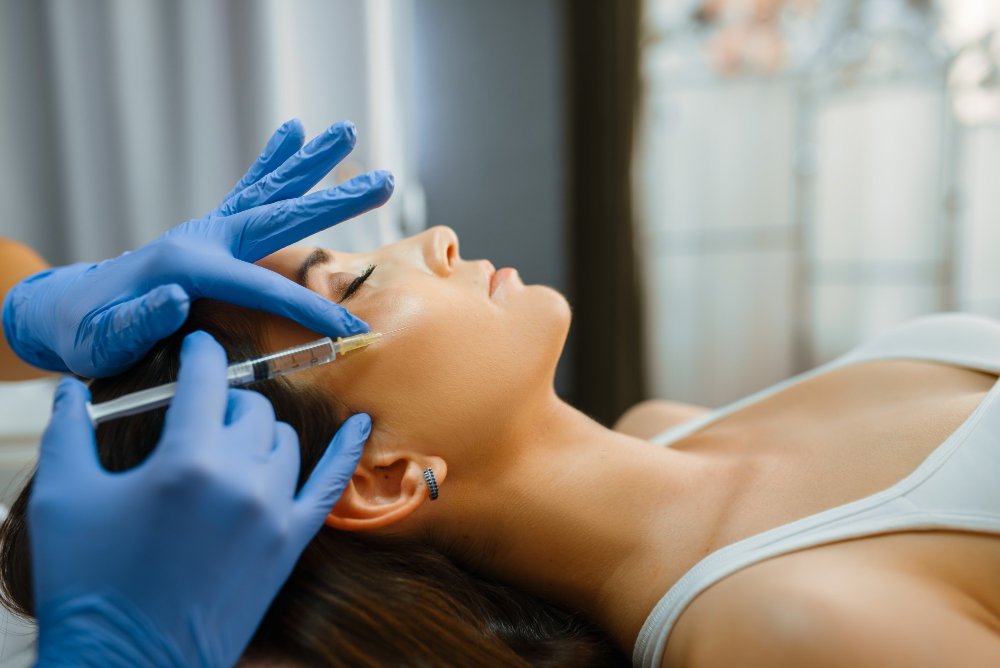
Limitations of Botox
Results are temporary: The effects usually last around three to four months, although this varies between individuals.
Does not treat every type of wrinkle: Botox is most useful for muscle-related lines and may not significantly improve wrinkles caused mainly by sun damage, skin laxity or volume loss.
Does not stop ageing: Your skin will continue to change naturally even if you choose to get Botox.
Requires professional administration: Incorrect placement or dosage can lead to unwanted results or complications.
May cause side effects: Temporary bruising, swelling, headache or discomfort can occur. Less commonly, complications such as eyelid or eyebrow drooping may develop. Serious symptoms such as difficulty swallowing or breathing require immediate medical attention.
Botox should always be approached as a medical treatment with individual benefits and risks, not as a routine appointment that everyone needs to schedule at a certain age.
Why Choose Anew for Botox in Bangalore?
Choosing where to get Botox is just as important as deciding whether the treatment is right for you. Since Botox involves injecting a prescription medicine into specific facial muscles, the practitioner's understanding of facial anatomy, dosage and injection technique matters. At Anew, an Aesthetic Clinic in Bangalore, the focus is on understanding your individual concerns and assessing your facial features before recommending Botox.
Whether you are noticing early forehead lines, persistent frown lines or crow's feet, the treatment approach should be based on your muscle movement, skin condition and desired outcome. Anew offers an opportunity to discuss your concerns with an experienced aesthetic professional, understand what Botox can realistically achieve and explore whether it is suitable for you. If you are looking for Botox in Bangalore, choosing a clinic that prioritises proper assessment, safe administration and natural-looking results can help you make a more informed decision.
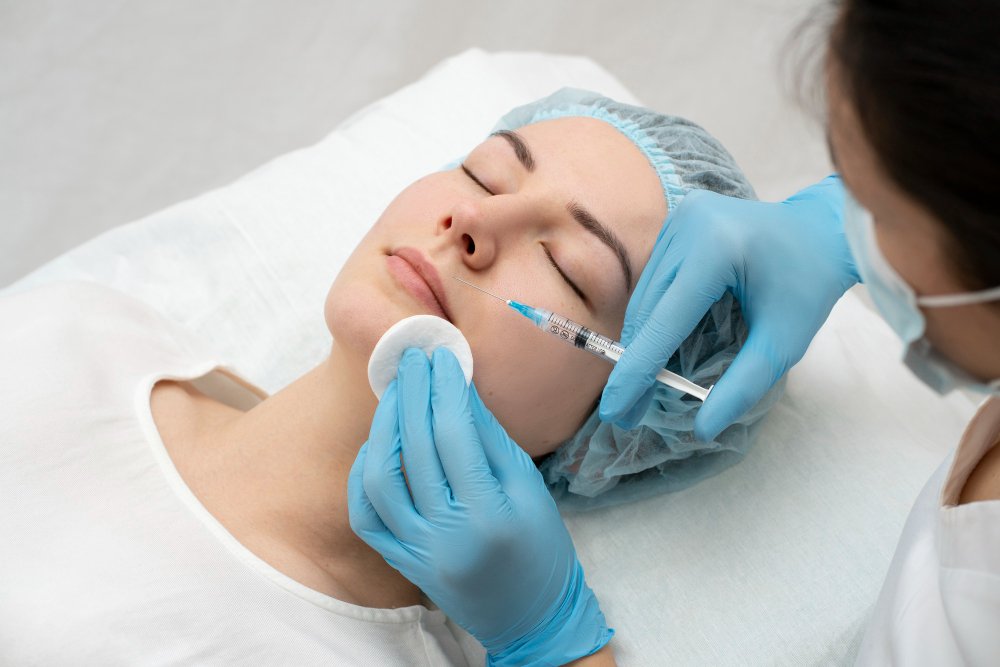
Botox at Any Age: What Matters Most
Deciding to get Botox should not feel like something you have to do because you have reached a certain age. Fine lines, forehead wrinkles and crow's feet appear differently on everyone. Some people notice them in their late twenties, while others may not be concerned about wrinkles until much later. What matters is understanding why those lines are developing and whether Botox can actually address them.
So, at what age should you consider getting botox? There is no single answer. Your twenties may be a time to focus on sun protection and a consistent skincare routine, while your thirties or forties may bring more noticeable expression lines that you want to soften. Even in your fifties and beyond, Botox may be an option for suitable adults, provided the treatment is planned according to their facial anatomy and medical history. Equally, choosing not to get Botox is a completely valid decision.
If you are considering Botox in Bangalore, start with a consultation rather than deciding on a treatment based on your age or someone else's results. At Anew, an Aesthetic Clinic in Bangalore, you can discuss your concerns and understand whether Botox is suitable for your skin and facial features. The goal should be to make an informed choice, feel comfortable with the treatment plan and maintain results that complement your natural appearance. There is no need to rush into aesthetic treatments. The right time is when you understand your options and feel confident about your decision.
