

Can a Keloid Be Completely Removed and Gone Forever?
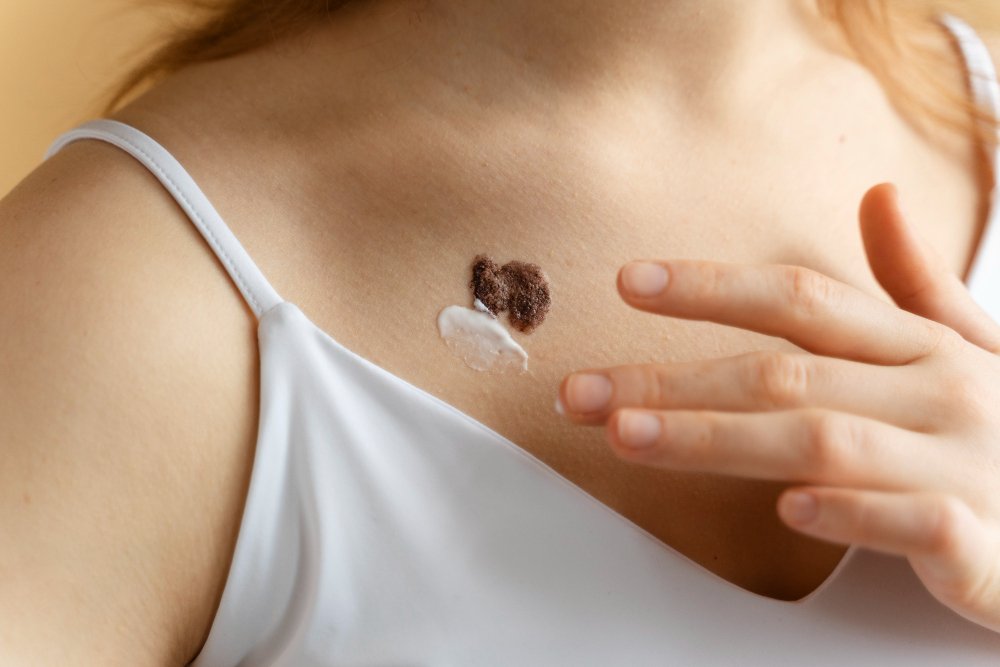
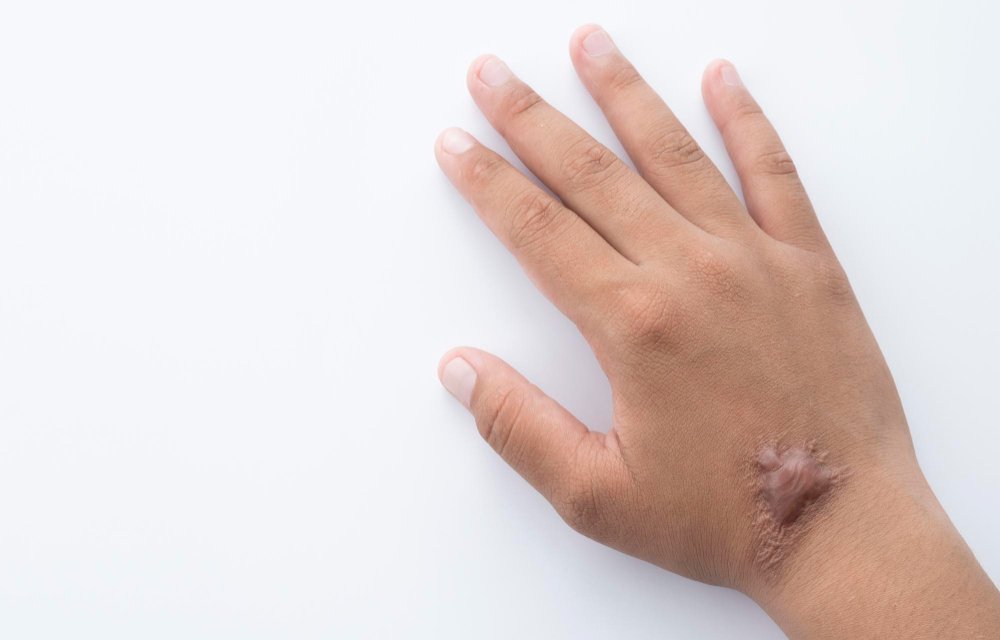
A keloid may look like a simple scar, but for many people, it becomes much more than that. It can continue growing long after a wound has healed, become itchy or painful, and affect confidence, especially when it appears on visible areas such as the face, ears, neck, chest, or shoulders. Parents are often concerned when they notice an unusual raised scar on their child's skin, wondering whether it will keep growing or if it can ever be treated permanently. One of the most common questions dermatologists hear is, can a keloid be completely removed and gone forever?
The answer is not always straightforward. While modern dermatology has made significant progress in treating keloids, every person's skin heals differently. Some keloids respond very well to treatment and become almost invisible, while others may require multiple treatment sessions and careful follow-up to prevent them from returning. The good news is that advanced treatment options available today can significantly reduce the size, thickness, discomfort, and appearance of keloids when managed by experienced specialists.
In this guide, we will answer the important question, can a keloid be completely removed and gone forever, explain what causes keloids to come back, discuss the treatments that offer the best results, and help you understand what to expect during the healing journey. Whether you are looking for treatment for yourself or your child, this guide will help you make an informed decision with confidence.
Can a Keloid Be Completely Removed and Gone Forever?
The simple answer is that yes, a keloid can often be treated very successfully, but there is always a possibility that it may return. This is because a keloid is not like a regular scar. It forms when the body produces too much collagen while healing a wound. Even after treatment, the skin may still have the tendency to create excess scar tissue.
Here are a few important things to understand:
- 1. Every keloid behaves differently: A small keloid caused by ear piercing may respond much faster than a large keloid that has been growing for several years. Factors like size, location, age of the scar, and skin type all influence the outcome.
- 2. Complete removal does not always mean permanent removal: Many patients believe that once a keloid is removed surgically, it is gone forever. Unfortunately, surgery alone often has a high chance of recurrence because the surgical wound itself can trigger another keloid.
- 3. Combination treatments give better results: Dermatologists today rarely rely on just one treatment. Instead, they combine therapies such as steroid injections, laser treatment, cryotherapy, silicone sheets, or surgery with preventive treatments. This greatly lowers the chances of recurrence.
- 4. Early treatment improves success: The sooner a keloid is evaluated, the easier it is to manage. Older, thicker keloids usually require more treatment sessions than newer ones.
- 5. Long-term follow-up matters: Even after the keloid becomes flat, dermatologists may recommend follow-up visits to monitor the skin. This helps catch early signs of recurrence before the scar grows again.
If you have been wondering, can a keloid be completely removed and gone forever, the best approach is to seek treatment from an experienced dermatologist who understands how to minimise recurrence instead of simply removing the scar.
Why Do Keloids Keep Coming Back?
Many parents are surprised when a keloid grows back after treatment. Understanding why this happens helps set realistic expectations and highlights why expert care is so important.
Your skin naturally produces too much collagen
Keloids develop because the body continues producing collagen even after the wound has healed. This process can continue for months or even years, causing the scar to grow beyond the original injury.
Genetics play a major role
Some people are naturally more likely to develop keloids because of their family history. If parents or close relatives have experienced keloids, children may also be at a higher risk.
Surgery alone is usually not enough
Removing a keloid without additional treatments often stimulates the skin to heal aggressively again. This is why dermatologists usually combine surgery with steroid injections or other therapies.
Certain body areas are more prone
Keloids that develop on the chest, shoulders, upper back, jawline, and ears are generally more likely to recur because these areas experience greater skin tension.
Incomplete treatment can increase recurrence
Stopping treatment too early may allow the remaining scar tissue to grow again. Completing the recommended treatment plan gives the best chance of long-lasting improvement.
This is one reason why many people choose Anew for keloid treatment in Bangalore. Rather than offering a one-size-fits-all solution, the dermatologists carefully evaluate each patient's skin and recommend personalised treatment plans designed to reduce the risk of recurrence while improving cosmetic results.
What Are the Most Effective Treatments for Keloids?
There is no universal treatment that works for every keloid. Dermatologists choose the most suitable option depending on the scar's size, age, location, and symptoms.
Steroid Injections: Steroid injections remain one of the most effective treatments for flattening raised keloids. They reduce inflammation, decrease collagen production, and gradually soften the scar over multiple sessions.
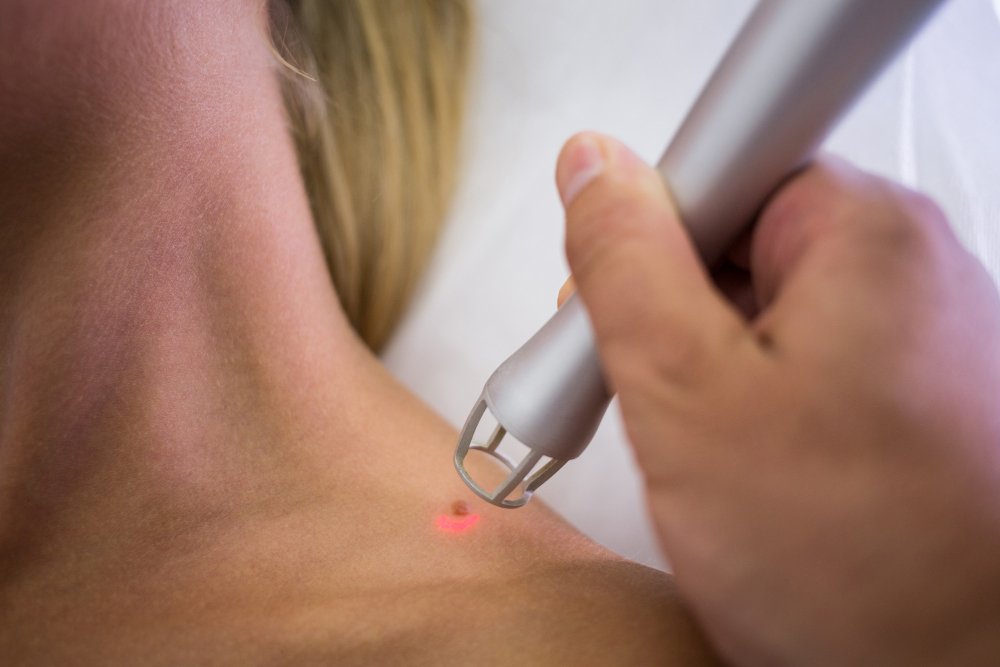
Laser Treatment: Laser therapy improves redness, smoothens the skin, and enhances the overall appearance of the scar. It is often combined with steroid injections for better outcomes.
Cryotherapy: Cryotherapy freezes the scar tissue, making it shrink over time. This treatment works particularly well for smaller keloids and is often recommended in combination with other therapies.
Silicone Gel and Silicone Sheets: These help keep the scar hydrated while reducing itching and limiting further scar growth. They are commonly used after other treatments to support healing.
Surgical Removal with Preventive Therapy: For larger keloids, surgery may be necessary. However, surgery is usually followed by steroid injections, pressure therapy, or laser treatments to lower the risk of recurrence.
Patients searching for keloid treatment in Bangalore often choose Anew because the dermatologists focus on combining these advanced treatments rather than relying on a single approach. This personalised strategy provides better long-term results and helps answer the question, can a keloid be completely removed and gone forever, with realistic expectations based on each patient's condition.
Keloid Treatment Options at a Glance
| Treatment | How It Works | Who Is It Best For? |
|---|---|---|
| Steroid Injections | Reduces inflammation and slows down excess collagen production, helping flatten and soften the keloid over multiple sessions. | Raised, itchy, painful, or actively growing keloids. |
| Laser Therapy | Improves the colour, texture, and thickness of the scar while making it blend better with the surrounding skin. It is often combined with steroid injections for better results. | Red, thick, or noticeable keloids, especially on visible areas like the face, neck, or ears. |
| Cryotherapy | Uses controlled freezing to shrink the scar tissue gradually, making the keloid smaller and less prominent. | Small to medium-sized keloids that are suitable for non-surgical treatment. |
| Silicone Gel and Silicone Sheets | Keep the scar hydrated, reduce itching, and help prevent further scar growth. They are commonly used after other treatments. | Early-stage keloids and patients who want to maintain results after treatment. |
| Surgical Removal with Combination Therapy | Removes the keloid surgically and is followed by treatments such as steroid injections or laser therapy to reduce the chances of it returning. | Large, stubborn, or long-standing keloids that have not responded well to other treatments. |
How to Reduce the Chances of a Keloid Coming Back
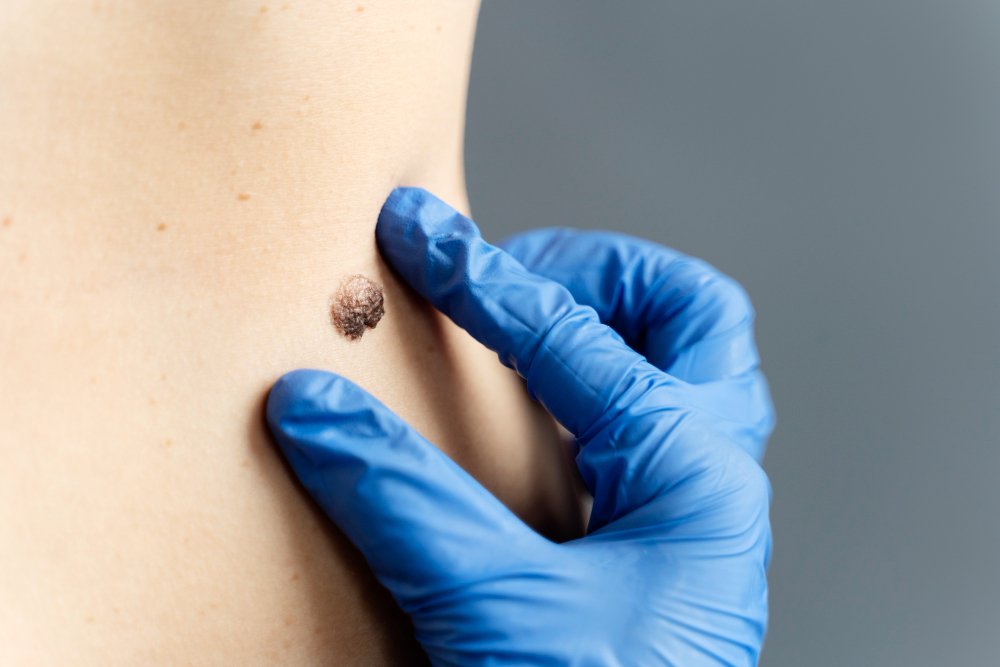
While no treatment can guarantee that a keloid will never return, following your dermatologist's advice can significantly improve your results. Here are some practical ways to minimise recurrence.
- Follow the complete treatment plan: Many people stop treatment once the scar starts looking better. However, additional sessions are often necessary to prevent the keloid from growing again.
- Attend follow-up appointments: Regular reviews allow your dermatologist to identify early signs of recurrence and treat them before the scar becomes larger.
- Avoid unnecessary skin injuries: If you are prone to keloids, try to avoid unnecessary piercings, tattoos, or cosmetic procedures that may trigger new scar formation.
- Protect healing skin: Any cuts, burns, or acne should be treated promptly to minimise excessive scar tissue formation.
- Use recommended scar care products: Silicone sheets, silicone gels, or other dermatologist-recommended products can support the healing process and improve long-term results.
The question can a keloid be completely removed and gone forever often depends on how well the skin is cared for after treatment. Good aftercare is just as important as the treatment itself.
Common Myths About Keloid Treatment
There are many misconceptions surrounding keloids, which can prevent people from seeking the right treatment. Let's separate fact from fiction.
| Myth | Reality |
|---|---|
| Keloids disappear on their own. | Most keloids continue to grow or remain the same without treatment. |
| Surgery alone permanently removes every keloid. | Surgery is often combined with other treatments to reduce recurrence. |
| Home remedies can remove a keloid. | While some remedies may soothe the skin, they cannot remove established keloids. |
| Every raised scar is a keloid. | Some raised scars are hypertrophic scars, which behave differently and respond differently to treatment. |
| One treatment session is enough. | Most keloids require multiple sessions and ongoing follow-up for the best results. |
Understanding these facts helps answer the common concern, can a keloid be completely removed and gone forever, while setting realistic expectations about treatment outcomes.
When Should You Visit a Dermatologist?
If you notice any of the following, it is best not to delay seeking professional advice:
- A scar continues growing beyond the original wound.
- The scar becomes itchy, painful, or tender.
- You have a family history of keloids.
- A previous keloid has started growing again.
- You want to remove a visible scar before it becomes larger.
- Your child develops a raised scar after an ear piercing, surgery, vaccination, or injury.
Getting the right diagnosis early allows the dermatologist to recommend the most suitable treatment before the keloid becomes more difficult to manage. This is another reason why families looking for keloid treatment in Bangalore trust Anew for timely evaluation and customised care.
Take the First Step Towards Keloid-Free Skin
Living with a keloid can be frustrating, especially when it affects appearance, causes discomfort, or keeps returning despite previous treatments. Whether the keloid developed after surgery, an ear piercing, acne, burns, or a minor injury, it is natural to ask, can a keloid be completely removed and gone forever. While there is no universal guarantee that every keloid will never return, modern dermatology offers highly effective treatments that can significantly reduce its size, improve its appearance, relieve symptoms, and minimise the chances of recurrence.
The key lies in choosing the right treatment at the right time. A combination of advanced therapies, personalised care, and regular follow-up provides the best opportunity for long-lasting results. Waiting for the scar to disappear on its own often leads to further growth, making treatment more challenging. Early intervention gives dermatologists a better chance to control the keloid before it becomes larger or more symptomatic.
If you have been asking yourself, can a keloid be completely removed and gone forever, the answer is that while no treatment can promise a lifetime guarantee, the right medical care can deliver excellent, long-lasting results. Consulting experienced dermatologists early, following the recommended treatment plan, and maintaining proper aftercare can make a remarkable difference. If you or your child has a growing or bothersome keloid, scheduling a consultation at Anew could be the first step towards healthier, smoother, and more confident skin.
