

Can Acne Scars Get Worse With Age?
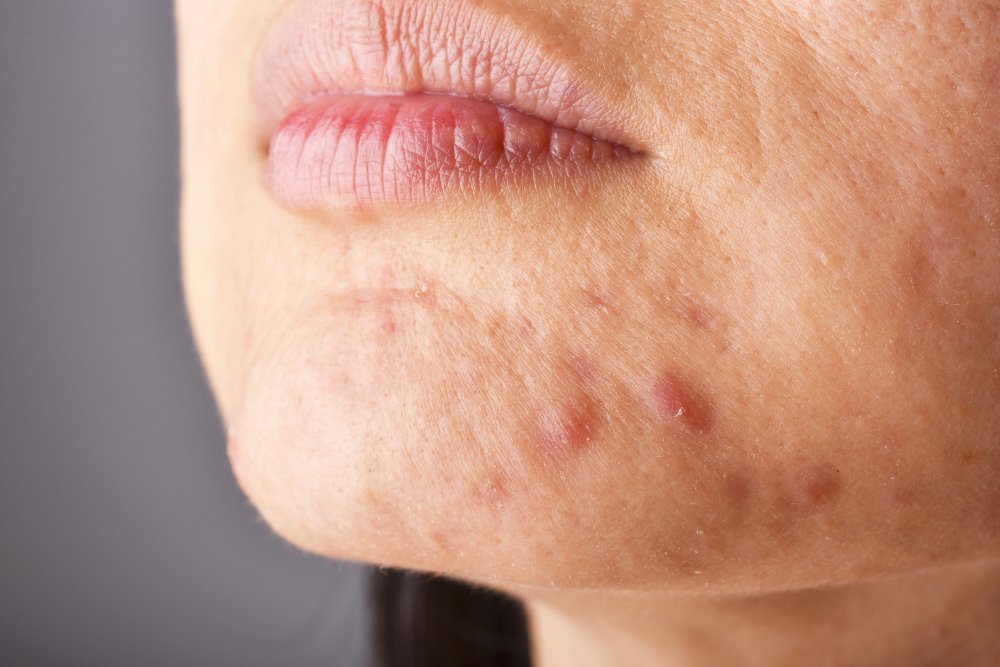
Acne may settle down over time, but the marks it leaves behind do not always fade at the same pace. You might have dealt with breakouts during your teenage years or early twenties, only to notice that the scars are still visible years later. Some may even appear more prominent than before, especially when your skin starts showing changes in texture, firmness and elasticity. This often leads to an important question: can acne scars get worse with age?
It is also important to understand that not every mark left behind by acne is a permanent scar. Dark spots and red marks that remain after a breakout are usually related to pigmentation or inflammation. True acne scars involve changes in the skin's structure, such as depressions or raised areas. These concerns need different approaches, which is why identifying the type of scar is an important first step.
If you are exploring acne scar treatment in Bangalore, understanding what is happening beneath the skin can help you make better decisions about treatment. At Anew, a Skin Clinic in Bangalore, dermatologists assess the type, depth and appearance of acne scars before recommending suitable options. Whether your concern is old acne marks, uneven skin texture or deeper indentations, the right treatment plan can help improve the appearance of your skin.
How Does Ageing Affect the Appearance of Acne Scars?
Acne scars can become more noticeable as the skin ages, although this does not mean every scar will continue to deepen over time. The appearance of a scar is influenced by changes in collagen, skin elasticity, facial volume and the surrounding skin. These changes can affect how light falls on the skin and make uneven areas easier to notice.
To understand this better, it helps to look at the difference between the scar itself and the changes happening around it.
1. Loss of collagen can make indented scars more visible
Collagen is a protein that gives the skin its structure and support. It helps maintain firmness and keeps the skin looking smooth. As you age, natural collagen production gradually decreases.
This can affect acne scars in a few ways:
Reduced skin support: Indented scars may become more noticeable when the surrounding skin loses some of its firmness.
More visible depressions: Ice pick, boxcar and rolling scars can stand out against the surrounding skin as its texture changes.
Changes in skin smoothness: Lower collagen levels can contribute to fine lines and uneven texture, making existing scars more apparent.
Slower repair processes: The skin's ability to repair itself changes with age, which may influence how it responds to certain treatments.
Changes in scar definition: The contrast between a scarred area and the surrounding skin may become more noticeable over time.
2. Reduced skin elasticity can affect the appearance of scars
Skin elasticity refers to its ability to stretch and return to its original shape. With age, elastin and collagen levels change, and the skin may not bounce back as easily as it once did.
When the skin loses elasticity, existing scars can appear different. Rolling scars, which create a wave-like appearance, may become more visible because the surrounding skin does not have the same firmness.
Similarly, shallow depressions can look more defined when the skin around them becomes less elastic.
This does not mean the scar tissue is necessarily getting deeper. In many cases, the surrounding skin is changing, making the difference in texture easier to see.
3. Changes in facial volume can highlight acne scars
The face naturally changes with age. Fat distribution, skin thickness and the support beneath the skin can gradually shift. These changes may affect areas where acne scars are present.
When the surrounding facial volume changes, these depressions may become more noticeable.
Areas around the cheeks and temples can be particularly affected because they naturally experience changes in volume over time.
The appearance of scars may also vary depending on facial expressions, lighting and the position of the skin. This is why a scar that seemed less noticeable in your twenties may attract more attention later.
4. Sun exposure can make post-acne marks more persistent
Not all acne marks are structural scars. Some are dark spots caused by post-inflammatory hyperpigmentation. These marks develop when inflammation from acne triggers excess melanin production.
Repeated sun exposure can make these spots darker or cause them to take longer to fade.
This can create the impression that acne scars are worsening with age, even when the concern is pigmentation rather than permanent scarring.
Daily sun protection is important because UV exposure can affect both skin ageing and pigmentation. If you have dark marks left behind by acne, using sunscreen consistently can help prevent them from becoming more noticeable.
5. Dryness and changes in skin texture can emphasise scars
Skin can become drier or more uneven with age.
When the skin lacks moisture, rough patches and texture differences may become easier to see. Fine lines can also make the surface appear less smooth.
This can draw attention to existing acne scars, particularly shallow indentations and uneven areas.
While moisturisers cannot remove structural scars, maintaining the skin barrier can improve overall skin texture and make the skin look healthier.
What Types of Acne Scars Can Become More Noticeable Over Time?
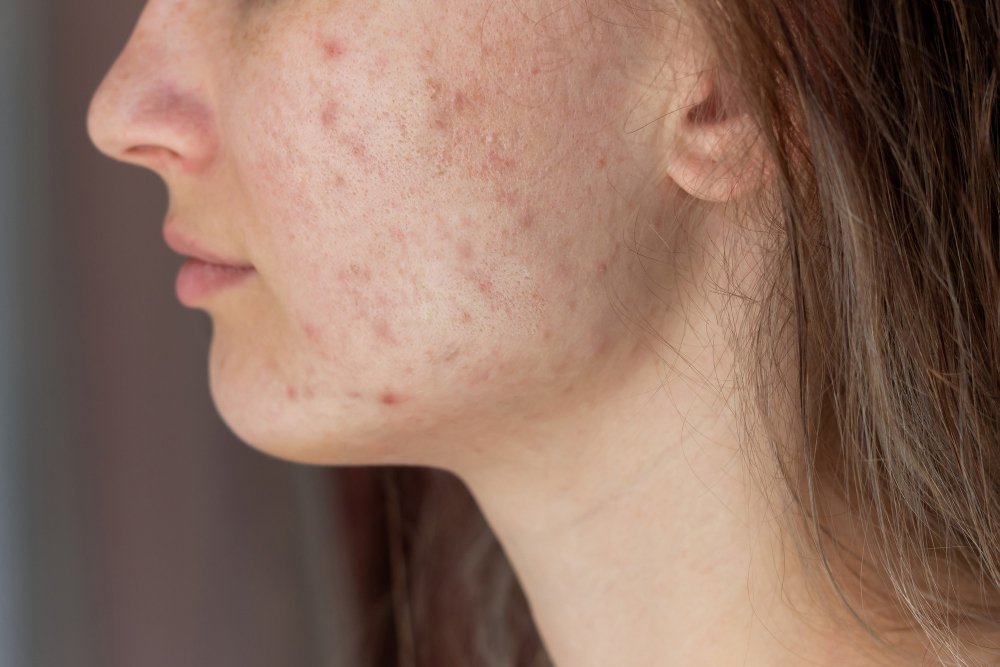
Not all acne scars look the same, and their appearance can change differently as the skin ages. Some scars create visible depressions, while others appear raised or discoloured. Understanding the type of scar you have can help determine which treatment may be suitable.
1. Ice pick scars
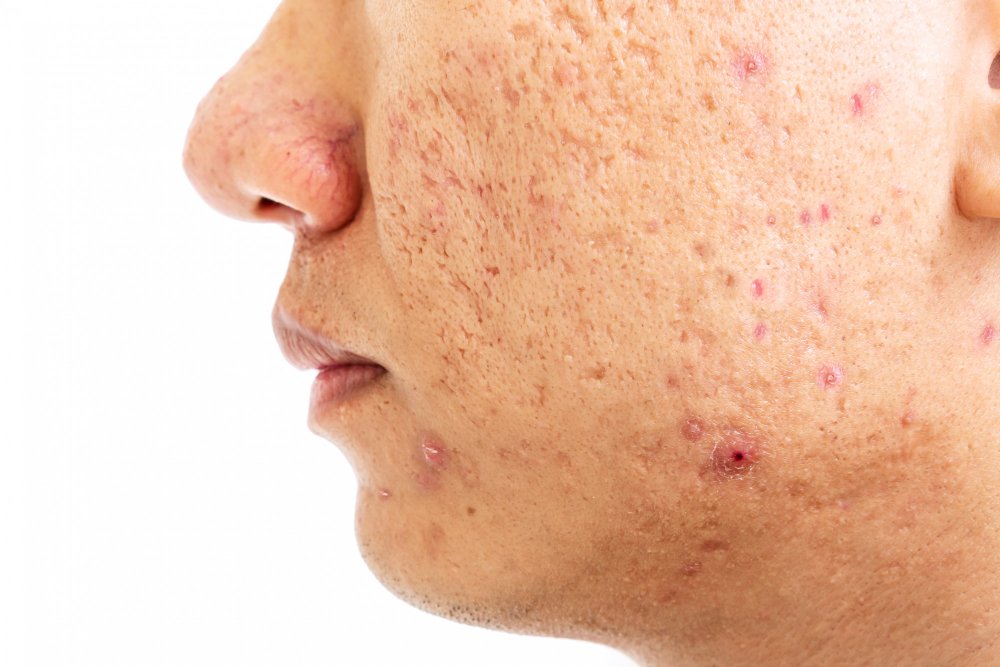
Ice pick scars are narrow, deep indentations that extend into the skin. They often look like small holes or punctures and are commonly found on the cheeks.
These scars may become more noticeable as the surrounding skin loses firmness.
Since they extend deeper into the skin, they can be difficult to treat with basic skincare products alone. Dermatologists may consider procedures that target the depth and structure of the scar, depending on its appearance.
2. Boxcar scars
Boxcar scars are wider depressions with clearly defined edges. They can be shallow or deep and are often seen on the cheeks and temples.
As the skin ages, reduced collagen and changes in elasticity may make the edges of these scars appear more prominent.
Their visibility can also depend on the depth of the depression and the amount of surrounding skin support.
3. Rolling scars
Rolling scars create a wavy or uneven appearance on the skin. They develop when fibrous bands beneath the skin pull the surface downwards.
These scars may become more visible when the skin loses firmness or facial volume changes.
Treatments such as subcision may be considered when tethering beneath the skin contributes to the depressed appearance.
4. Hypertrophic scars
Hypertrophic scars are raised areas of scar tissue that develop when the skin produces excess collagen during healing. Unlike depressed acne scars, they sit above the surrounding skin.
These scars do not necessarily become worse with age. However, they may remain raised, firm or noticeable for a long time.
Some can gradually become flatter, while others need medical treatment to improve their appearance.
5. Post-acne pigmentation
Post-acne pigmentation appears as brown, dark or reddish marks left behind after breakouts.
These marks are not the same as structural acne scars because they do not involve a permanent change in the skin's surface.
However, they can remain visible for months and may become darker with sun exposure. Treatment usually focuses on controlling pigmentation and inflammation rather than repairing depressed scar tissue.
What Causes Acne Scars to Look More Prominent as You Grow Older?
Ageing is only one factor that can influence the appearance of acne scars. Your skincare habits, exposure to sunlight and history of acne can also make a difference. In some cases, what looks like worsening scarring may be the result of a separate skin concern developing over time.
Here are some factors worth understanding.
1. Past acne inflammation
Deep and inflamed acne lesions are more likely to damage the skin's supporting structures. Nodules and cysts can affect deeper layers of the skin, increasing the likelihood of permanent scarring. If these breakouts were not treated appropriately, the resulting scars may remain visible for years.
2. Picking or squeezing acne
Repeatedly squeezing pimples can increase inflammation and interfere with the skin's natural healing process. It may also introduce bacteria and increase the risk of infection. This can make existing marks more noticeable and contribute to additional scarring.
3. Inconsistent sun protection
Sun exposure can darken post-acne pigmentation and contribute to premature skin ageing. If you have old acne marks and do not use sunscreen regularly, the contrast between the marks and your natural skin tone may become more visible.
4. Changes in skincare habits
Your skin's needs can change over time. Products that worked well during your teenage years may not be suitable as your skin becomes drier or more sensitive. Using harsh exfoliants, combining too many active ingredients or skipping moisturiser can irritate the skin and affect its appearance.
5. Natural changes in skin repair
The skin undergoes continuous renewal and repair. These processes change with age, and the production of structural proteins gradually declines. While this does not automatically worsen an acne scar, it can affect the way the surrounding skin looks and responds to treatment.
6. Untreated active acne
If you continue to experience breakouts, new scars can develop alongside older ones. This may make the overall texture of your skin look worse over time. Managing active acne is therefore an important part of preventing further scarring, even when your main concern is treating older scars.
What Treatments Can Help Improve Acne Scars?
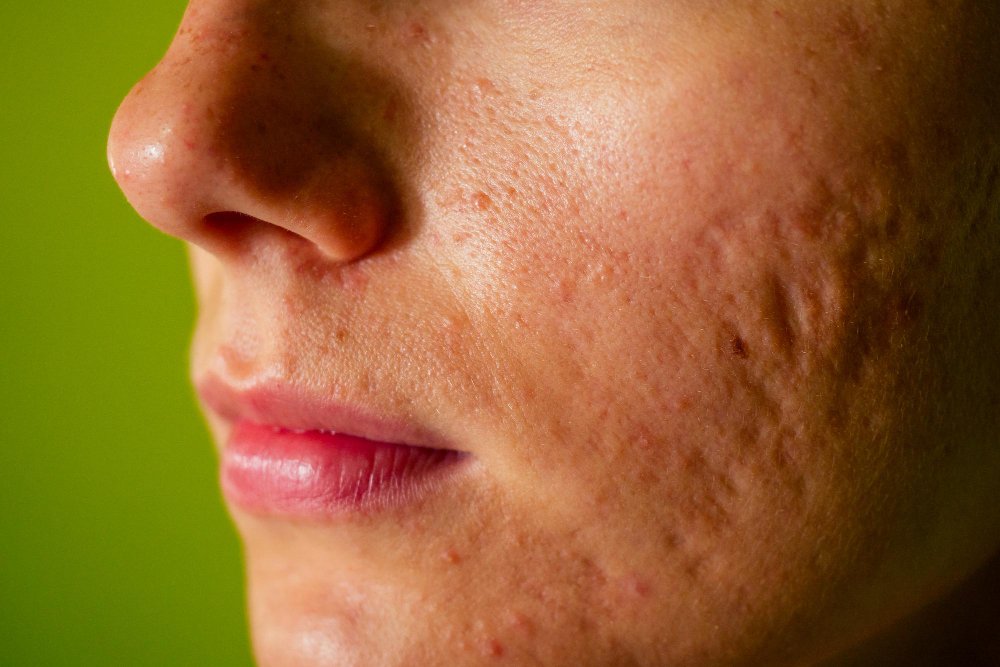
Acne scar treatment depends on the type of scar, its depth, your skin type and whether you still experience active acne. There is no single procedure that works equally well for every scar. In many cases, dermatologists combine different treatments to address changes in skin texture and collagen support.
If you are considering acne scar treatment in Bangalore, here are some options a dermatologist may discuss.
1. Microneedling
Microneedling uses fine needles to create controlled micro-injuries in the skin. These tiny channels trigger the skin's natural repair response and encourage collagen production. It may be recommended for certain types of depressed acne scars, particularly when the concern involves uneven texture and shallow indentations.
Supports collagen production: The controlled injury encourages the skin to produce collagen as part of its repair process.
Improves uneven texture: Repeated sessions may help soften the appearance of shallow scars.
Can be used on different areas: It is commonly performed on the cheeks, forehead and other areas affected by acne scarring.
May be combined with other treatments: Depending on the scar type, a dermatologist may recommend microneedling alongside other procedures.
Requires multiple sessions: Results develop gradually, and more than one session may be needed.
Microneedling is not suitable for every skin concern. It should be performed by a trained professional, particularly if you have active acne, skin infections or a tendency to develop certain types of raised scars.
2. Chemical peels
Chemical peels use carefully selected exfoliating agents to remove damaged surface skin cells and encourage skin renewal. They are often considered for post-acne pigmentation, mild textural concerns and certain superficial scars.
Different peels have different strengths and purposes. The dermatologist chooses the formulation based on your skin type, pigmentation and sensitivity.
Helps improve dark marks: Selected peels can reduce the appearance of post-acne pigmentation over a series of treatments.
Encourages skin renewal: Exfoliation helps remove accumulated dead skin cells and improve surface smoothness.
Can improve uneven tone: Peels may help make areas affected by acne marks look more even.
Can be customised: The type and strength of the peel can be adjusted according to the skin's needs.
Needs appropriate aftercare: Sun protection and the recommended skincare routine are important after treatment.
Chemical peels are generally more useful for surface-level concerns than deep, tethered acne scars. Stronger peels are not automatically better, especially for skin that is prone to post-inflammatory pigmentation.
3. Laser treatments
Laser treatments use specific wavelengths of light to target selected skin concerns. Depending on the device, they may help improve pigmentation, redness, uneven texture or certain types of depressed scars. The choice of laser depends on the concern being treated. Some devices target pigment, while others create controlled thermal effects that stimulate collagen remodelling.
Targets selected skin concerns: Different laser technologies are used for pigmentation, redness and textural irregularities.
May stimulate collagen remodelling: Certain resurfacing lasers encourage the skin to produce and reorganise collagen.
Can improve scar texture: Some fractional laser treatments may soften the appearance of selected depressed scars.
Treatment can be customised: The settings and device are selected based on skin tone, scar depth and the treatment goal.
May involve downtime: Depending on the laser, you may experience redness, swelling, peeling or temporary sensitivity.
Laser treatments require careful assessment, particularly for Indian skin tones that may be more prone to post-inflammatory pigmentation after irritation or inflammation. A dermatologist should determine whether a particular laser is suitable.
4. Subcision
Subcision is a procedure used for certain depressed acne scars, particularly rolling scars. These scars develop when fibrous bands beneath the skin pull the surface downwards. During subcision, a dermatologist uses a specialised needle or instrument to release these bands. This allows the depressed area to lift to some extent as the tissue heals.
Targets the cause of tethering: The procedure releases fibrous bands responsible for pulling the skin down.
Useful for selected rolling scars: It is often considered when scars have a tethered appearance.
Can improve skin contour: Releasing the bands may help reduce the visible depth of depressions.
May be combined with other procedures: Microneedling, fillers or resurfacing treatments may be considered depending on the scar.
Requires professional assessment: Not every depressed scar is suitable for subcision, and the procedure should only be performed by a qualified medical professional.
Some patients experience bruising, swelling or tenderness after the procedure. The recovery period and expected improvement depend on the extent of treatment.
How Can You Prevent Acne Scars From Becoming More Noticeable?
You cannot completely prevent natural skin ageing, but you can take steps to protect your skin and reduce factors that make acne scars more visible. A consistent skincare routine, early acne management and professional guidance can make a difference.
1. Use sunscreen every day: Sun protection is important if you have acne scars, dark spots or uneven skin tone. UV exposure can darken post-acne pigmentation and contribute to changes in skin quality over time.
2. Avoid picking or squeezing pimples: It can be tempting to squeeze a pimple, especially when it looks swollen or has a visible head. However, picking can increase inflammation and damage the surrounding skin.
3. Keep your skin barrier healthy: A healthy skin barrier helps protect the skin from irritation and moisture loss. Using a gentle cleanser and suitable moisturiser can support this barrier.
4. Treat active acne early: Preventing new scars is just as important as improving old ones. If you experience recurring acne, getting it assessed early can reduce the risk of deeper inflammation and permanent scarring.
5. Follow a suitable skincare routine: Your skincare routine should address your current concerns without irritating the skin. Depending on your needs, a dermatologist may recommend ingredients such as retinoids, azelaic acid or niacinamide.
When Should You Consider Professional Acne Scar Treatment?
Not every acne mark needs a clinical procedure. Some dark spots fade gradually with time and suitable skincare. However, if you have persistent depressions, raised scars or uneven texture, professional treatment may be worth considering.
You may benefit from a dermatologist's assessment if:
Your scars have remained for several years: Indented and raised scars are unlikely to disappear completely through regular skincare alone.
Your skin texture looks uneven: If you notice visible depressions, pits or wave-like areas, a dermatologist can identify the type of scarring.
You have tried several products without improvement: Over-the-counter products may help pigmentation but are usually limited in their ability to correct deeper structural scars.
You continue to develop acne: Repeated breakouts can lead to additional scarring, making it important to manage active acne alongside existing scars.
Your scars affect your confidence: If you feel uncomfortable about the appearance of your skin, a consultation can help you understand realistic treatment options.
You are unsure whether you have scars or marks: A professional assessment can distinguish pigmentation from structural changes and help prevent unnecessary treatments.
Why Choose Anew for Acne Scar Treatment in Bangalore?
Acne scars can vary from small, shallow marks to deeper depressions that affect the overall texture of your skin. This is why choosing a clinic that focuses on understanding the cause and type of scarring is important. At Anew, a Skin Clinic in Bangalore, the approach to acne scar treatment begins with assessing your skin condition, scar depth, skin type and treatment history. Based on this evaluation, the dermatologist can recommend suitable options such as microneedling, chemical peels, laser treatments or other procedures where appropriate.
Rather than relying on a single treatment for every concern, the aim is to select an approach that addresses your specific skin needs while considering safety, recovery and realistic results. If you are looking for acne scar treatment in Bangalore, Anew offers professional guidance to help you understand your options and work towards smoother-looking skin through a treatment plan suited to you.
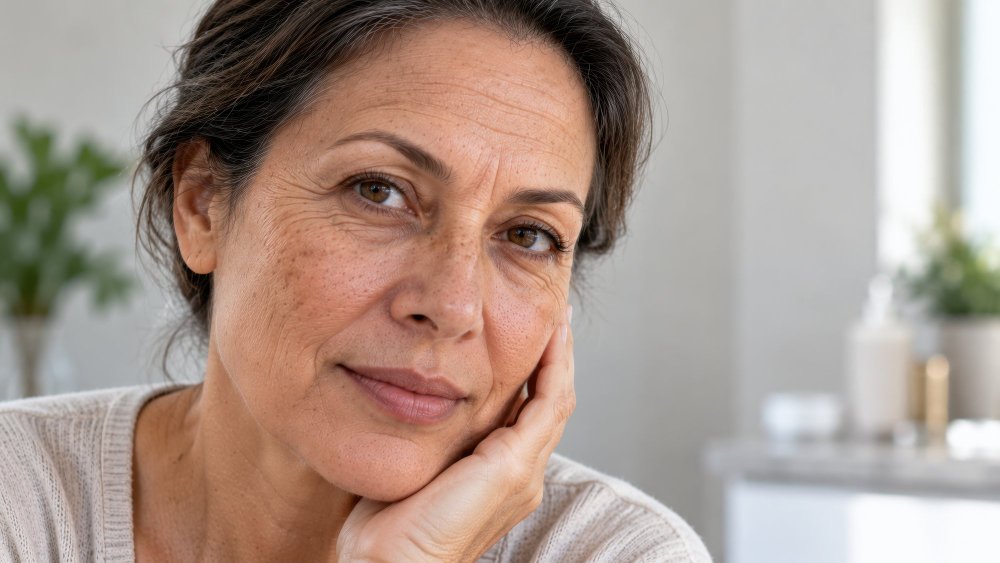
Give Your Skin the Care It Needs at Every Age
Acne may be something you experienced years ago, but the changes it left behind can continue to affect how your skin looks today. If you have started noticing old scars more clearly, it is understandable to wonder whether they are becoming worse with age. As we have discussed, can acne scars get worse with age is not a straightforward yes-or-no question. The scars themselves do not always deepen, but natural changes in collagen, elasticity, facial volume and skin texture can make them appear more prominent.
The first step is to understand what kind of concern you are dealing with. Dark marks, redness and structural acne scars may look similar at first, but they develop for different reasons. While pigmentation may respond to suitable skincare and chemical peels, deeper indentations often need procedures that work on collagen production or the tissue beneath the skin. Raised scars also require a different approach. Choosing a treatment without identifying the actual concern may lead to unnecessary procedures or disappointing results.
If you are considering acne scar treatment in Bangalore, a dermatologist-led assessment can help you understand which options are appropriate for your skin. At Anew, a Skin Clinic in Bangalore, the focus is on evaluating your concerns and recommending treatments based on your skin's individual needs. With the right guidance, you can work towards improving uneven texture, reducing the appearance of scars and feeling more comfortable in your skin. The aim is not to chase flawless skin, but to make informed choices that support healthier-looking skin at every age.
