

Can Chemical Peels Help Acne?
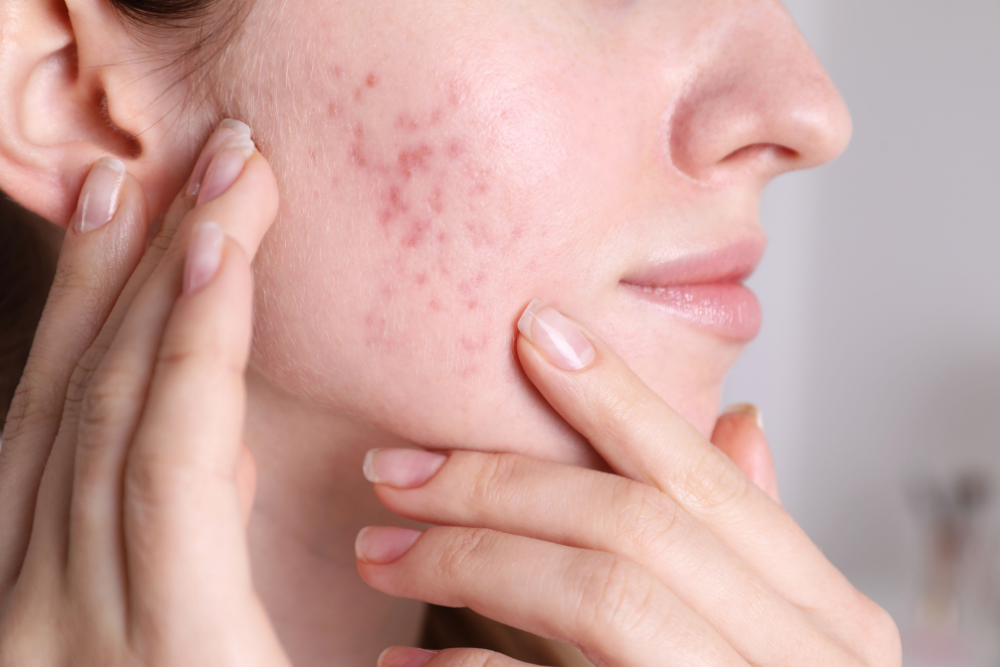
You wake up, look in the mirror, and notice another pimple. Maybe it is a small whitehead on your forehead, a painful bump on your cheek, or a cluster of breakouts around your chin. You have tried changing your skincare routine, using acne products, and cutting down on things you think might be triggering your breakouts. Yet, the pimples keep coming back.
If this sounds familiar, you are definitely not alone.
Acne is one of the most common skin concerns, and managing it can sometimes feel like a never-ending process. While a consistent skincare routine can help, certain types of acne may need more targeted treatment. This is where professional treatments, such as chemical peels, may come into the picture.
But before booking an appointment, you probably have a few questions. Can chemical peels help acne? Do they clear pimples, unclog pores, or reduce the dark marks left behind? And are they suitable for sensitive or acne-prone skin?
For anyone exploring treatment options at a Skin Clinic in Bangalore, the first step is to understand your acne and determine whether a chemical peel is appropriate for your skin.
First, Let's Understand What Type of Acne You Have
Before asking whether chemical peels can help acne, it is important to understand what is causing your breakouts and how they appear on your skin.
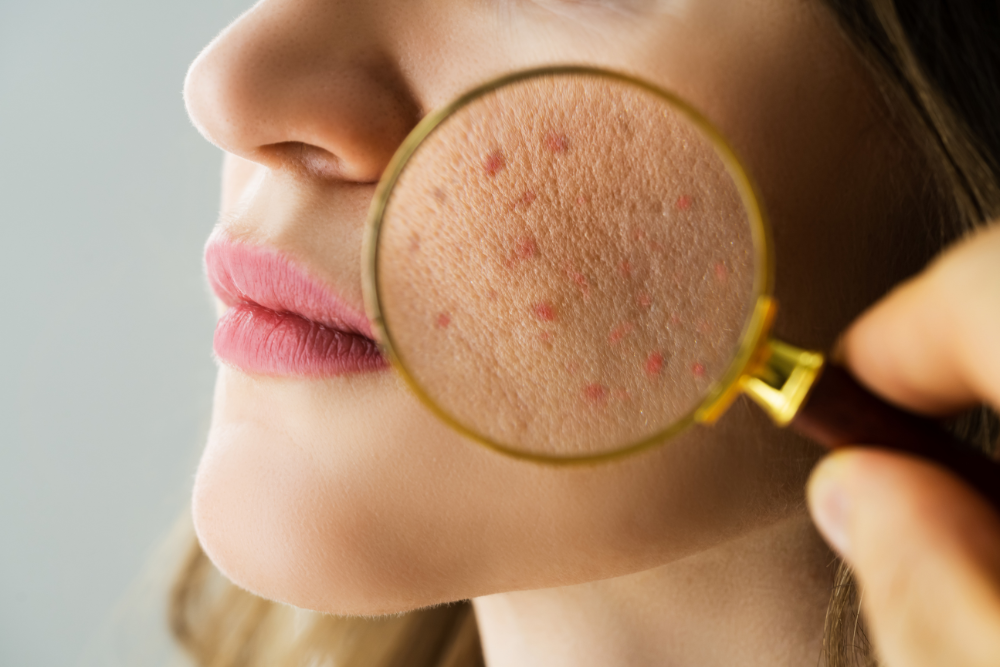
Acne does not look the same for everyone. Some people experience occasional pimples, while others deal with persistent blackheads, painful bumps, or breakouts that leave dark marks behind.
Here are some common types of acne and related skin concerns.
Whiteheads: These develop when pores become clogged with oil and dead skin cells. The trapped material remains beneath a closed surface, creating small, white or skin-coloured bumps.
Blackheads: These are open clogged pores that appear dark because of a reaction involving the material inside the pore and exposure to air. They are not simply caused by dirt on the skin.
Papules and Pustules: Papules are small, inflamed bumps, while pustules contain visible pus. They may appear red, tender, or swollen.
Inflammatory Acne: This includes inflamed pimples that can sometimes become painful. More severe inflammatory acne may involve deeper lesions that need medical treatment.
Hormonal Acne: These breakouts are often associated with hormonal changes and may appear around the chin, jawline, and lower cheeks. They can recur even when you follow a consistent skincare routine.
Post-Acne Dark Marks: After a pimple heals, it may leave behind a flat brown, red, or darker patch. These marks are pigmentation changes rather than active acne or necessarily permanent scars.
This distinction matters because a chemical peel may help with clogged pores, certain types of active acne, and post-acne pigmentation, but it is not a universal solution for every acne concern.
Can Chemical Peels Help Acne? Here’s What They Can Actually Do
So, can chemical peels help acne?
Yes, certain chemical peels can help manage mild to moderate acne and improve some of the skin concerns associated with it. Their effectiveness depends on the type of acne, the ingredients used, the concentration of the peel, and your individual skin condition.
A chemical peel involves applying a carefully selected chemical solution to the skin to exfoliate controlled layers of the surface. Depending on the formulation, it may help remove accumulated dead skin cells, improve pore congestion, and support skin renewal.
Here are five ways chemical peels may help acne-prone skin.
1. Help Unclog Pores: When excess oil and dead skin cells accumulate inside pores, they can contribute to blackheads, whiteheads, and other breakouts. Certain chemical peels, particularly those containing salicylic acid, may help exfoliate inside oil-prone pores and reduce congestion. This can be useful for people who frequently notice small bumps or blackheads.
2. Reduce Certain Types of Active Acne: Some chemical peels can be included in a treatment plan for mild to moderate acne. By promoting exfoliation and helping address clogged pores, they may reduce certain types of breakouts over time.
However, chemical peels are not suitable for every acne lesion. Deep, painful nodules, cystic acne, or widespread inflammation may require prescription medication or other dermatologist-recommended treatments.
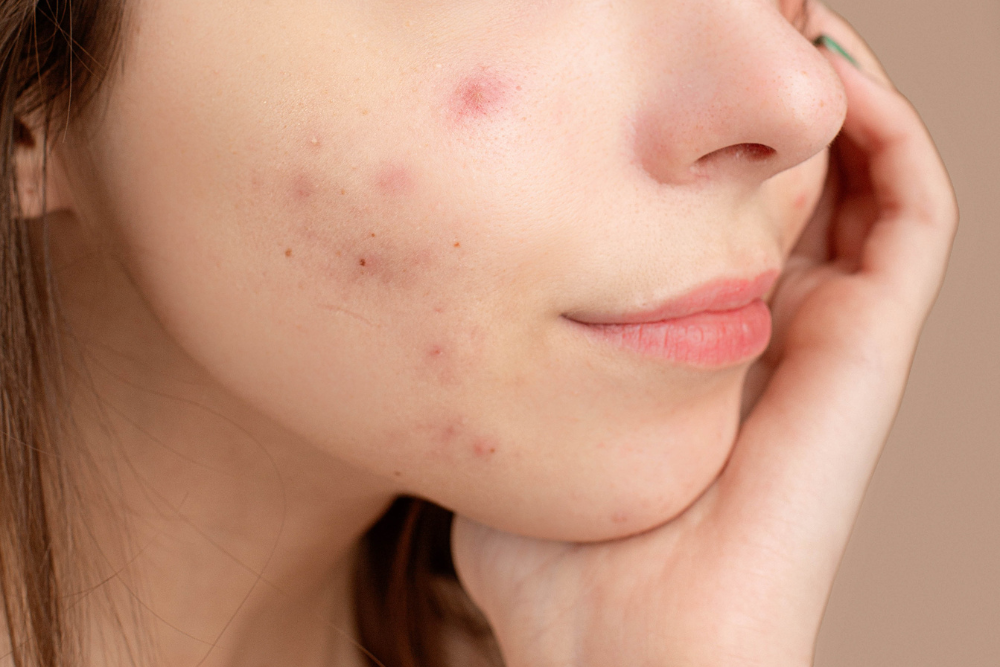
3. Improve Post-Acne Dark Marks: Have you noticed that a pimple disappears, but the dark spot it leaves behind stays for weeks or even months? These marks can be frustrating, especially when new breakouts keep leaving fresh ones behind.
Certain chemical peels may help improve post-inflammatory hyperpigmentation by encouraging the shedding of surface skin cells and supporting more even skin renewal. Ingredients such as glycolic acid may be considered for selected pigmentation concerns.
However, dark marks can take time to fade. People who are prone to pigmentation may also need a carefully planned treatment approach to avoid irritation that could make the marks more noticeable.
4. Improve Skin Texture and Appearance: Acne-prone skin can sometimes feel rough or look uneven because of clogged pores, superficial skin changes, and post-acne marks. A suitable chemical peel may help improve the appearance of mild surface irregularities and leave the skin looking smoother.
It is important to distinguish between uneven surface texture and deeper acne scars. Chemical peels may provide limited improvement in superficial concerns, but deeper depressions generally require more targeted treatments.
5. Support a More Comprehensive Acne Treatment Plan: Sometimes, treating acne involves more than one approach. A dermatologist may recommend a chemical peel alongside an appropriate skincare routine or other acne treatments, depending on the condition of your skin.
For example, someone with clogged pores and post-acne pigmentation may need a different treatment plan from someone experiencing deep inflammatory acne. The aim is to address the underlying acne concern while reducing the risk of irritation, excessive dryness, and further pigmentation.
How Do Chemical Peels Work on Acne-Prone Skin?
A chemical peel may sound intimidating, particularly if you have sensitive skin or are already dealing with inflammation. However, the basic principle is straightforward.
A selected chemical solution is applied to the skin for a controlled period. Depending on its ingredients and strength, it helps loosen the bonds between surface skin cells, encouraging exfoliation and renewal.
The exact effect depends on the formulation, concentration, application time, and your skin's response.
Here is what the process generally involves.
1. Skin Assessment: Your skin is examined to understand the type of acne you have, the extent of inflammation, your oil production, and any existing pigmentation or sensitivity.
2. Peel Selection: The appropriate peel is selected according to your concerns and skin condition. There is no single chemical peel that works best for everyone.
3. Application: The skin is cleansed, and the peel solution is applied according to the treatment protocol. The duration and application method depend on the product being used.
4. Controlled Exfoliation: The peel works on the targeted skin layers. You may experience mild tingling or temporary redness, and some formulations may cause visible peeling or flaking.
5. Recovery and Follow-Up: Your skin is monitored as it recovers. Your dermatologist may recommend gentle skincare, sun protection, and a suitable interval before another session.
The important word here is controlled. A chemical peel should not be judged by how much your skin peels afterwards. More peeling does not automatically mean better acne treatment or faster results.
Which Types of Chemical Peels May Help Acne?
Different chemical peels contain different ingredients, and each works somewhat differently. The right option depends on whether your primary concern is clogged pores, active breakouts, pigmentation, or uneven texture.
Here are some commonly used options.
Salicylic Acid Peel: Salicylic acid is an oil-soluble beta hydroxy acid (BHA) that can help exfoliate within clogged pores. It is commonly considered for oily and acne-prone skin.
It may be useful for:
Blackheads and whiteheads.
Congested pores.
Certain types of mild inflammatory acne.
Excessively oily skin.
However, it can cause dryness, irritation, or peeling, particularly if your skin barrier is already compromised.
Mesopeel Azelan
Mesopeel Azelan combines azelaic acid 20% and salicylic acid 20% to address selected acne-related concerns. It may help regulate excess oil, exfoliate dead skin cells, and reduce pore congestion.
It may be considered for:
Blackheads and whiteheads.
Certain types of inflammatory acne.
Excess oil and clogged pores.
Post-acne pigmentation and dark marks.
The combination of these ingredients may help manage acne and improve the appearance of uneven skin tone.
Glycolic Acid Peel
Glycolic acid is an alpha hydroxy acid (AHA) that exfoliates the skin's surface. It may be considered when acne is accompanied by dullness, uneven skin tone, or post-acne pigmentation.
Potential benefits include:
Improving the appearance of uneven skin tone.
Supporting surface exfoliation.
Helping reduce the appearance of certain dark marks.
Improving mild surface texture irregularities.
It is not a stand-alone solution for severe or deeply inflamed acne, and the concentration must be selected carefully.
Lactic Acid Peel
Lactic acid is another AHA that helps exfoliate the skin's surface. Depending on the formulation, it may be considered for people who have mild pigmentation or roughness alongside acne.
Potential benefits include:
Gentle surface exfoliation.
Improving the appearance of dull skin.
Supporting a more even-looking complexion.
Addressing selected superficial skin concerns.
Although lactic acid is sometimes described as a gentler exfoliating option, it can still irritate sensitive skin. Suitability depends on the formulation and your skin's condition.
Combination Chemical Peels
Some professional peels combine multiple exfoliating ingredients to address more than one concern.
A combination peel may be considered when someone has clogged pores alongside uneven skin tone or post-acne marks. However, combining ingredients does not automatically make a peel more effective or suitable.
Your dermatologist should determine whether a combination formulation is appropriate based on your acne, skin sensitivity, pigmentation risk, and previous treatment history.
Remember: These options are not interchangeable, and their suitability cannot be determined by acne type alone. A professional assessment is important before choosing a peel.
Which Acne Concerns Can Chemical Peels Help With?
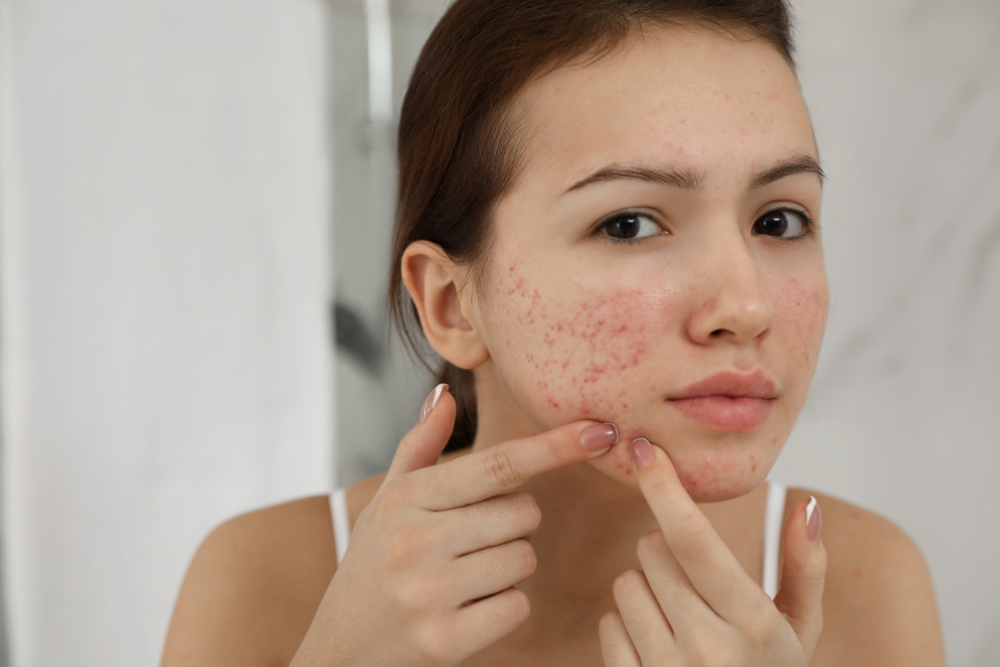
Chemical peels can be useful for selected acne-related concerns, but it helps to understand where they may fit into your treatment plan.
Active Acne: Certain peels may help manage mild acne by reducing pore congestion and promoting exfoliation. They may be considered alongside other acne treatments when appropriate.
Blackheads and Whiteheads: Some chemical peels may help loosen the buildup of dead skin cells associated with clogged pores. Salicylic acid peels may be considered for suitable acne-prone skin.
Post-Acne Pigmentation: Certain peels may improve the appearance of flat dark marks left after breakouts. The improvement is usually gradual, and multiple sessions may be considered when appropriate.
Mild Surface Texture Changes: Chemical peels may help improve roughness and mild surface irregularities. Their effectiveness depends on the cause and depth of the texture changes.
Recurrent Breakouts: A chemical peel may be one part of an acne management plan. It does not necessarily address all the causes of recurring acne, including hormonal factors.
Chemical Peels vs Other Acne Treatments: Which Is Better?
If you are exploring professional acne treatments, you may come across several options. Chemical peels are just one of them.
The best treatment depends on whether you have active breakouts, clogged pores, dark marks, or established acne scars.
Chemical Peels
Selected mild acne, clogged pores, and post-acne pigmentation
Suitability depends on the peel formulation, acne severity, and skin sensitivity
Topical Acne Treatments
Blackheads, whiteheads, inflammatory acne, and ongoing breakouts
May require consistent use over several weeks or longer
Oral Acne Medication
Moderate to severe acne or acne that has not responded to other treatments
Requires medical evaluation and appropriate monitoring
Microneedling
Selected depressed acne scars and uneven texture
Generally considered after active acne is adequately controlled
Laser Treatments
Certain acne scars, pigmentation, or other selected skin concerns
The device and settings must be chosen carefully, particularly for pigmentation-prone skin
Combination Treatments
Acne accompanied by multiple skin concerns
A dermatologist determines which treatments can be safely combined
What Happens During a Chemical Peel Treatment?
If you have never had a chemical peel before, it is natural to wonder what the appointment will involve. Here is what you can generally expect.
Before the Treatment
Your skin is examined to assess acne severity, sensitivity, and any pigmentation concerns.
Your dermatologist may ask about your current skincare routine, previous procedures, medications, allergies, and history of skin irritation.
You may receive instructions about products to avoid before the appointment.
The appropriate peel and treatment plan are selected based on your skin's needs.
Do not stop prescribed medication or discontinue skincare products without discussing it with your dermatologist.
During the Treatment
Your skin is cleansed to remove surface oil and impurities.
The selected peel is applied according to the treatment protocol.
You may notice mild tingling, warmth, or stinging, depending on the formulation.
Your provider monitors your skin throughout the procedure.
If you experience intense burning or unusual discomfort, tell your provider immediately.
Immediately After the Treatment
Your skin may look slightly red or feel warm or tight.
Depending on the peel, you may experience dryness, flaking, or visible peeling over the following days.
Your dermatologist may recommend a gentle moisturiser and sunscreen.
You may be asked to avoid exfoliating products or other potentially irritating ingredients for a specified period.
Not every chemical peel causes obvious peeling. The absence of visible flakes does not mean the treatment has not worked.
During Recovery
Allow your skin to heal without picking, rubbing, or pulling away peeling skin.
Follow the recommended aftercare routine.
Protect your skin from sun exposure.
Contact your treating professional if you experience severe pain, blistering, or worsening inflammation.
Your dermatologist can assess the response and decide whether another session is appropriate.
Are Chemical Peels Safe for Indian Skin?
If you have Indian skin, you may have a specific concern about chemical peels: the possibility of developing more pigmentation.
This is worth discussing before undergoing treatment.
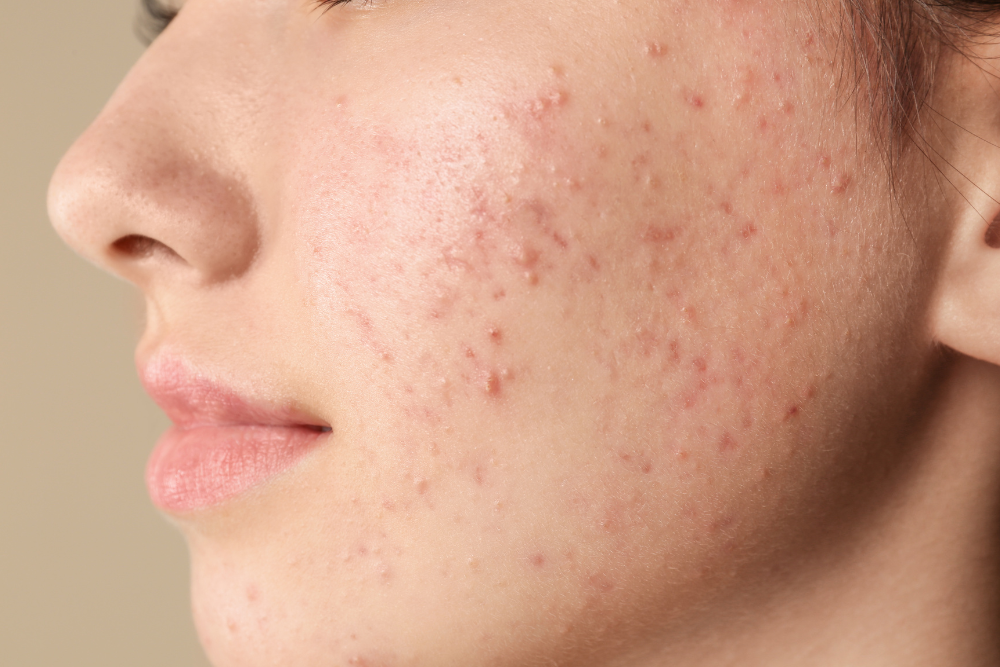
Indian skin tones vary widely, but people with medium to deeper skin tones can be more susceptible to post-inflammatory hyperpigmentation. This means inflammation or irritation caused by a procedure can sometimes leave behind darker patches.
That does not mean chemical peels are unsuitable for Indian skin. It means the treatment should be selected and performed carefully.
Here are five factors worth considering.
Existing Acne and Inflammation: If your acne is very inflamed, your dermatologist may recommend controlling it before proceeding with certain peels.
Skin Sensitivity: If your skin frequently stings, burns, or becomes irritated when you use skincare products, your skin barrier may need attention before treatment.
Peel Type and Strength: The ingredients, concentration, and depth of the peel should be appropriate for your skin and the concern being treated.
Sun Exposure: Sun protection is essential during recovery because UV exposure can worsen pigmentation and interfere with skin healing.
History of Dark Marks: If pimples, minor injuries, waxing, or previous treatments have left dark patches on your skin, share this information during your consultation.
A professional assessment at a Skin Clinic in Bangalore like Anew can help determine whether a chemical peel is appropriate and which approach may suit your skin.
Avoid experimenting with strong at-home chemical peels or combining multiple exfoliating products in an attempt to speed up results. This can irritate the skin and potentially worsen acne or pigmentation.
How Many Chemical Peel Sessions Will You Need for Acne?
If you are considering a chemical peel, you may want to know how many sessions it will take to see a difference.
The answer depends on the type and severity of your acne, the formulation used, your skin's response, and whether the goal is to manage active breakouts or improve post-acne pigmentation.
Your dermatologist may recommend a series of treatments rather than expecting one session to address every concern.
Your treatment plan may depend on:
The Type of Acne: Blackheads and whiteheads may respond differently from inflamed or deeper acne lesions.
The Peel Selected: Different formulations and strengths have different treatment schedules and recovery requirements.
Your Skin's Response: Your skin should be assessed after each session before deciding whether to continue.
Pigmentation Risk: A gradual approach may be more appropriate if you are prone to developing dark marks after inflammation.
Other Treatments: If acne is persistent or associated with hormonal factors, you may need medication or other treatments alongside professional procedures.
Some people may notice improvements after a session, while others need a longer treatment plan. There is no guaranteed number of sessions or timeline that applies to everyone.
The goal is to improve your skin without causing unnecessary irritation or compromising its health.
Why Choose Anew for Chemical Peel Treatment in Bangalore?
Choosing a clinic for a chemical peel treatment in Bangalore is not simply about finding a place that offers the procedure. Your skin needs to be assessed before treatment so that the approach matches your acne, sensitivity, pigmentation concerns, and overall skin condition.
At Anew, the focus is on understanding your skin concerns and determining which aesthetic treatment may be appropriate for your needs.
For people considering chemical peels, this means looking beyond the number of pimples or the amount of oil on the skin. Your treatment plan should also account for inflammation, post-acne marks, existing sensitivity, and the possibility of pigmentation.
Here are a few reasons to consider a personalised approach to acne treatment.
Personalised Chemical Peel Treatments: Every skin concern is different. Anew focuses on understanding whether you are dealing with active acne, clogged pores, or post-acne marks to help determine a suitable treatment approach.
Treatment Plans Tailored to Your Skin: The right chemical peel depends on your skin type, acne severity, and treatment goals. Anew takes these factors into consideration when planning your treatment.
Care for Sensitive and Acne-Prone Skin: If your skin is prone to irritation or pigmentation, choosing the right peel is especially important. Your skin's sensitivity and pigmentation history should be considered before proceeding with treatment.
Guidance Before and After Treatment: Chemical peel treatment involves more than the procedure itself. Understanding how to prepare your skin and care for it afterwards can help support recovery and minimise avoidable irritation.
A Comprehensive Approach to Acne Care: Chemical peels may not address every acne concern on their own. Depending on your skin's needs, Anew can help you explore whether other suitable skin treatments may be worth considering.
If you are looking for a Skin Clinic in Bangalore to discuss chemical peels for acne, a consultation at Anew can be a good choice to understand your options and decide on the next steps based on your skin's needs.
Your Acne Doesn’t Have to Be a Trial-and-Error Journey
Dealing with acne can be exhausting, especially when you feel like you have tried everything and still cannot predict when the next breakout will appear.
You may have switched cleansers, experimented with serums, avoided certain products, and followed skincare advice that worked for someone else but did very little for your skin.
The truth is that acne does not have one universal solution. What works for clogged pores may not be enough for deep inflammatory acne, and what helps control breakouts may not completely fade the dark marks they leave behind.
That is where understanding professional treatment options becomes useful.
So, can chemical peels help acne? Yes, certain chemical peels can help manage selected types of mild acne, improve pore congestion, and reduce the appearance of post-acne pigmentation. However, they are not suitable for every type of acne and cannot guarantee clear skin on their own.
Ultimately, the goal is not to find the strongest treatment or the quickest fix. It is to understand your skin, choose an appropriate treatment, and follow a plan that supports healthier skin over time.
