

Can I Get Laser Hair Removal If I Have Sensitive Skin?
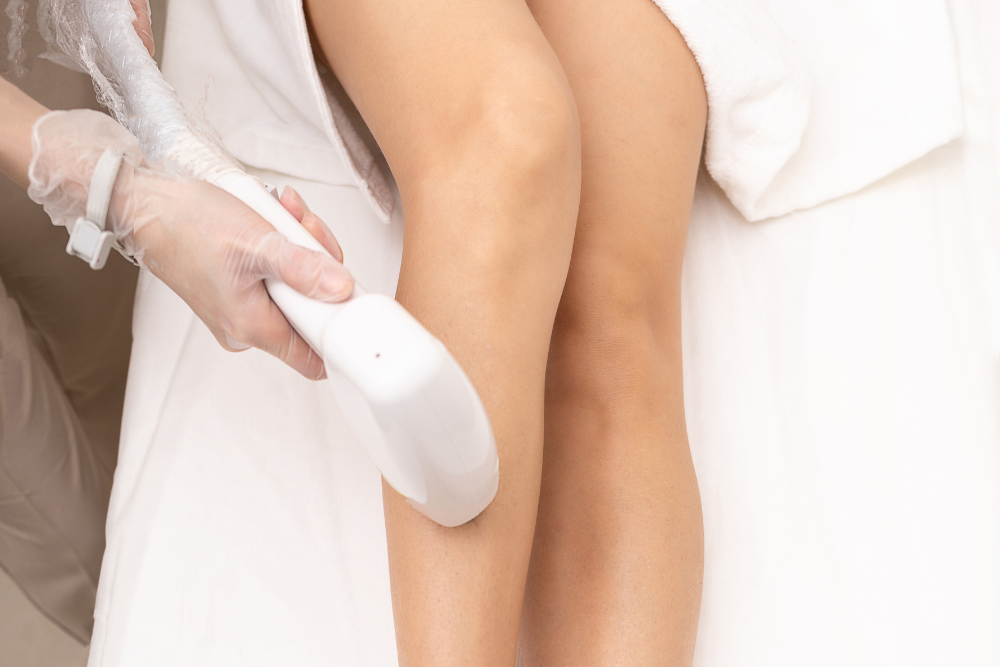
If your skin turns red after shaving, feels irritated after waxing, or develops tiny bumps after using a new product, you probably think twice before trying anything new. And when you hear the words "laser hair removal", it is understandable if your first thought is, can I get laser hair removal if I have sensitive skin?
The answer is often yes, but there is an important difference between being able to undergo laser hair removal and simply walking into a clinic and getting the treatment done. Sensitive skin needs a little more attention before, during, and after laser hair reduction. The treatment settings, laser technology, cooling methods, treatment area, and your skin's current condition can all make a difference to how comfortably your skin responds.
If you have been searching for can I get laser hair removal if I have sensitive skin, you are probably looking for more than a simple yes or no. You want to know whether the treatment will hurt, whether it can make your skin more irritated, what precautions you should take, and whether laser hair reduction is actually worth considering.
This guide covers all of that in simple terms. We will look at how laser hair removal works, what sensitive skin means, what can make the treatment safer and more comfortable, what you should avoid before and after a session, and when you should postpone treatment. We will also explain what to look for when choosing a Skin Clinic in Bangalore for laser hair removal.
What Does "Sensitive Skin" Actually Mean?
Sensitive skin is not necessarily a medical condition. It is often used to describe skin that reacts more easily to products, environmental factors, friction, heat, or cosmetic procedures.
You may have sensitive skin if you regularly experience:
1. Redness: Does your skin become red after shaving, washing your face, waxing, or applying certain skincare products? Frequent redness can indicate that your skin is more reactive than average.
2. Burning or Stinging: Some people experience a burning or stinging sensation when they use certain active ingredients. If this happens frequently, it is important to mention it during your laser consultation.
3. Itching: Sensitive skin may sometimes feel itchy after exposure to particular products, heat, sweat, or friction.
4. Dryness and Tightness: If your skin becomes excessively dry or feels tight after cleansing, your skin barrier may be more easily irritated.
5. Razor or Waxing Reactions: Some people notice bumps, redness, itching, or irritation after traditional hair removal methods. This can be one reason they start looking into laser hair reduction.
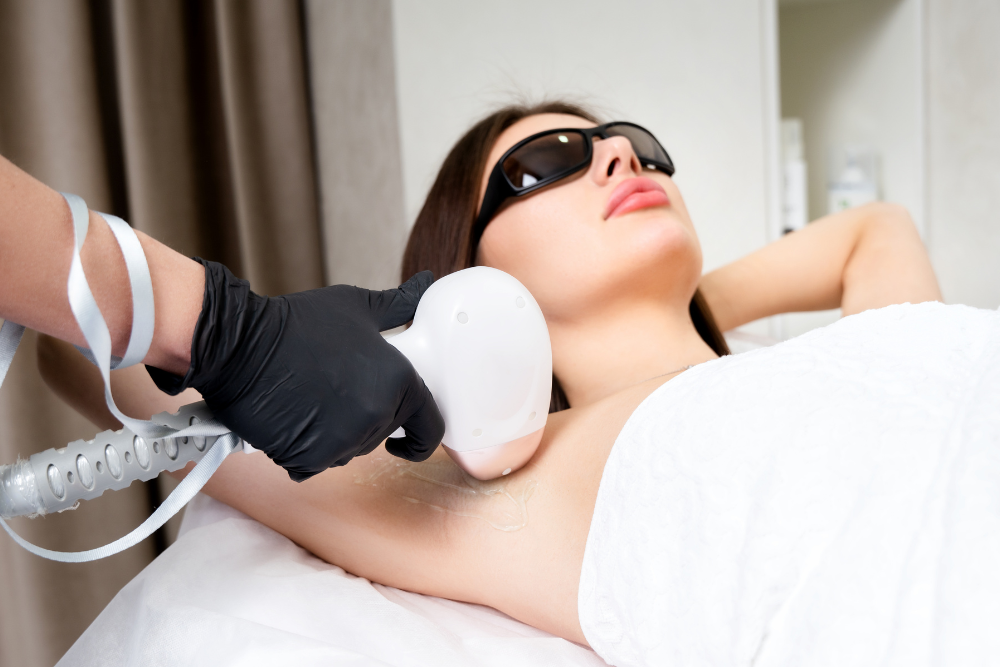
Can I Get Laser Hair Removal If I Have Sensitive Skin? Understanding the Answer
So, can I get laser hair removal if I have sensitive skin?
In many cases, yes. Sensitive skin can often be treated with laser hair removal when the procedure is properly selected and performed.
However, several factors need to be considered before your first session.
Your Skin Should Be Calm Before Treatment
If your skin is already irritated, sunburned, inflamed, or damaged, your dermatologist may recommend waiting until it settles before performing laser hair removal. Treating already irritated skin can increase discomfort and may increase the chance of unwanted reactions.
The Laser Technology Matters
Different laser technologies interact with skin and hair differently. Your skin tone, hair colour, hair thickness, treatment area, and individual concerns can all influence which technology and settings are appropriate.
The Treatment Settings Matter
Laser hair removal is not simply about choosing a machine and pressing a button. Energy level, pulse duration, spot size, cooling, and other parameters can influence how the skin responds. These settings may need to be adjusted based on your skin.
Your Previous Reactions Matter
If waxing regularly causes significant irritation or shaving leaves you with bumps, tell your dermatologist. This information can help them understand how reactive your skin may be and plan your treatment accordingly.
A Patch Test May Be Considered
Depending on the treatment and clinic protocol, a test spot may be used to see how your skin responds before treating a larger area. This can be particularly useful when there are concerns about sensitivity or pigmentation.
Why Sensitive Skin May Actually Make Laser Hair Reduction Appealing
It may sound strange, but people with sensitive skin sometimes become interested in laser hair reduction precisely because traditional hair removal methods irritate their skin.
Think about your usual routine.
You shave and develop razor bumps. You wax and experience redness. You use hair removal creams and notice stinging. Then the hair grows back and you repeat the entire process.
Laser hair reduction offers a different approach because it targets the hair follicle rather than repeatedly removing hair from the surface.
Here are five reasons people with sensitive skin may consider it:
1. Less Frequent Shaving: As hair growth reduces over a series of sessions, you may not need to shave as frequently as before. Less shaving can mean less repeated friction on the skin.
2. Fewer Razor Bumps: If your bumps are primarily caused by shaving and ingrown hairs, reducing hair growth may help reduce the need for frequent shaving. However, results vary, and laser treatment does not guarantee that every type of bump will disappear.
3. Reduced Waxing-Related Irritation: Waxing repeatedly pulls hair out from the root and can temporarily leave the skin red or sensitive. Laser hair reduction can reduce dependence on waxing over time.
4. No Need for Daily Hair Removal: If you currently shave frequently because of fast hair growth, laser reduction can potentially make your routine much easier.
5. Long-Term Hair Reduction: Laser hair removal is generally aimed at reducing hair growth rather than guaranteeing that every hair will permanently disappear after one session.
Multiple sessions are usually needed because hair grows in different cycles.
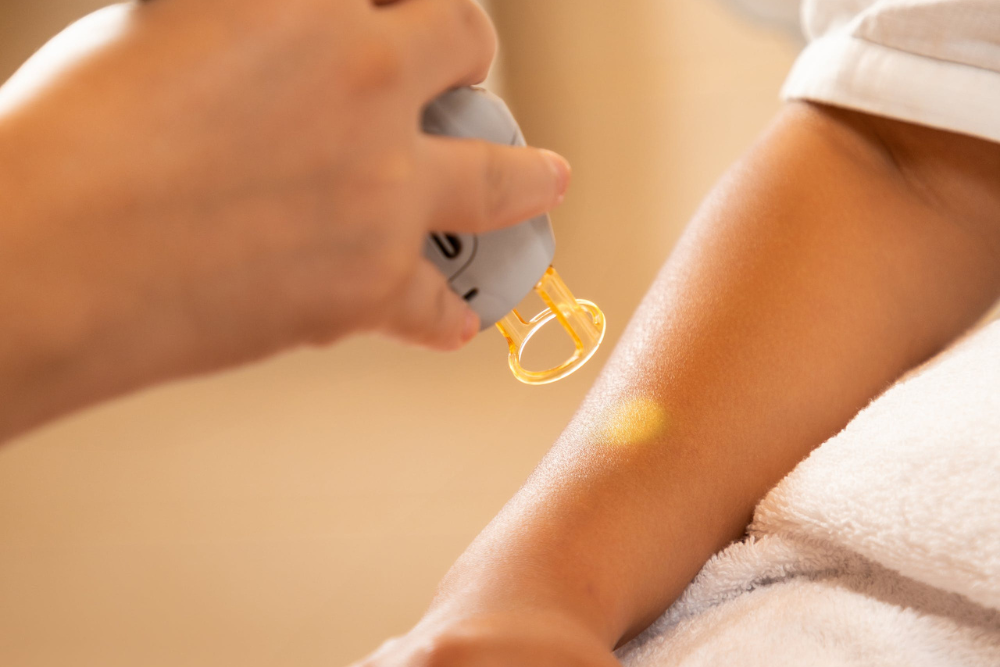
What Happens During Laser Hair Removal If You Have Sensitive Skin?
Knowing what happens during a session can make the process feel much less intimidating.
Step 1: Skin Assessment
Before treatment, the area is examined to check its condition. Your dermatologist may ask about your skincare products, previous hair removal methods, medications, allergies, and previous reactions.
Step 2: Preparing the Area
The treatment area is generally prepared according to the clinic's protocol. Hair may need to be shaved before treatment because the laser is intended to target the follicle beneath the skin rather than long hair sitting on the surface.
Step 3: Protective Measures
Appropriate eye protection is used during laser procedures, particularly when treating areas close to the face. Cooling may also be used to help make the treatment more comfortable and protect the skin.
Step 4: Laser Application
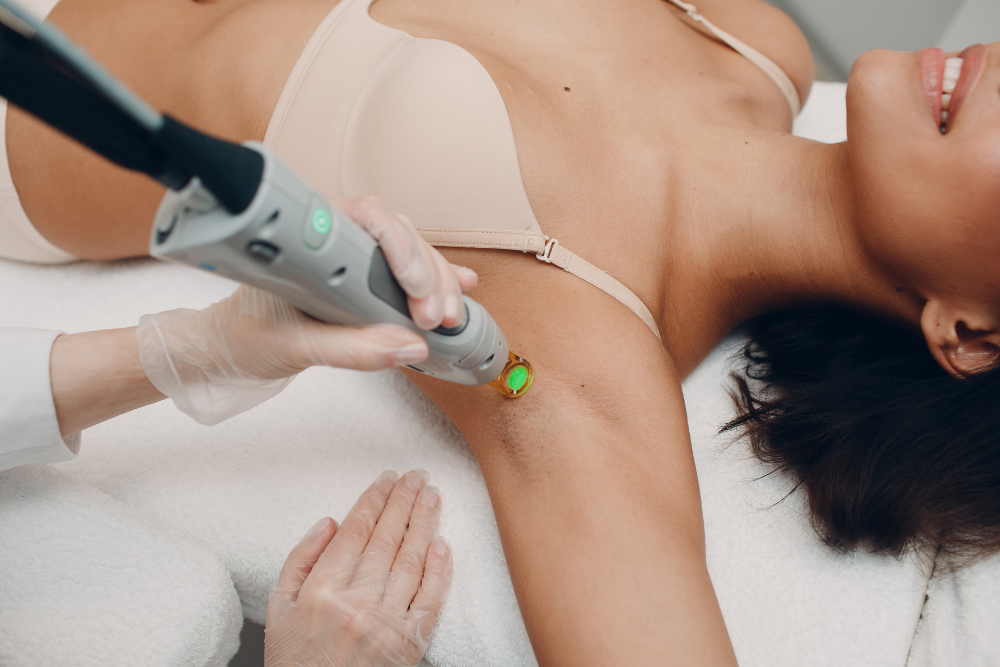
The device is applied to the treatment area and delivers controlled pulses of energy. You may feel a warm sensation, snapping sensation, or brief discomfort during individual pulses. How it feels can vary depending on the treatment area, hair thickness, settings, and personal sensitivity.
Step 5: Post-Treatment Assessment
After the session, your skin may appear slightly red or feel warm for a short period. Your provider can advise you on what is normal and what aftercare you should follow.
Laser Hair Removal for Sensitive Skin: What to Do and What to Avoid
If you are planning a laser hair reduction session, preparation can make a difference.
| Before Treatment | After Treatment |
|---|---|
| Follow the shaving instructions provided by your clinic | Keep the treated area clean and follow the recommended aftercare |
| Avoid waxing or plucking if advised, as the hair follicle needs to be present for laser targeting | Use gentle skincare products recommended for your skin |
| Avoid treatment if the skin is sunburned, irritated or inflamed | Protect the treated area from excessive sun exposure |
| Inform your dermatologist about any medications and skincare products you use | Avoid unnecessary heat, friction or activities that may irritate the treated area |
| Follow all preparation instructions given during your consultation | Do not scratch, pick or aggressively exfoliate the treated area |
The key idea is simple: do not experiment with your skin around your treatment appointment.
If your usual routine includes strong exfoliating acids, retinoids, scrubs, or other active products, ask your dermatologist whether you need to pause them before or after treatment.
What Side Effects Can You Expect?
Laser hair removal is generally considered a well-established treatment, but temporary skin reactions can occur.
Temporary Redness: The treated area may look slightly red immediately after the procedure. This can be a normal short-term response.
Mild Swelling: Some people may experience slight swelling around the hair follicles after treatment.
Warmth or Sensitivity: The skin can feel warm or mildly sensitive for some time after a session.
Temporary Itching: Some people may experience mild itching as the skin settles after treatment.
Pigmentation Changes: Changes in skin pigmentation can occur after laser treatment, particularly when treatment is not appropriately matched to the skin or when the skin has significant sun exposure.
How to Make Laser Hair Reduction More Comfortable for Sensitive Skin
If you are worried about discomfort, there are several practical things you can discuss with your provider.
Choose an appropriate treatment plan: Your treatment should be adjusted according to your skin, hair and treatment area.
Ask about cooling: Cooling systems or other cooling methods may help reduce discomfort during treatment.
Avoid treating irritated skin: Starting with calm, healthy skin can make the treatment experience easier.
Follow preparation instructions: What you do before treatment can influence how your skin responds.
Follow aftercare carefully: Avoiding unnecessary heat, friction, sun exposure, and irritating skincare products can help the skin settle.
Remember that some discomfort does not automatically mean the treatment is damaging your skin. Laser hair removal involves controlled heat, so some sensation during treatment is expected. Your provider should explain what you can expect and what would be considered unusual.
How Many Sessions Will You Need?
One of the most common misunderstandings about laser hair removal is expecting all the hair to disappear after one appointment.
Hair grows through different stages, and laser treatment is generally most effective when the hair is in a suitable growth phase. Because all hairs are not in that phase at the same time, multiple sessions are typically required.
The number of sessions can vary based on:
- Hair thickness: Coarser hair may respond differently from fine hair.
- Hair colour: Laser works by targeting pigment, so hair colour can influence results.
- Treatment area: Different body areas can respond differently.
- Hormonal factors: Hormonal changes can influence hair growth in some individuals.
- Individual response: People naturally respond differently to treatment.
This is why a clinic should avoid promising that you will be completely hair-free after one or two sessions.
Laser hair removal is better understood as a process of progressive hair reduction.
Laser Hair Removal vs Waxing vs Shaving for Sensitive Skin
| Hair Removal Method | How It Works | Considerations for Sensitive Skin |
|---|---|---|
| Shaving | Cuts the hair at the surface of the skin | May cause razor burns, bumps, itching, dryness or irritation, especially with frequent shaving |
| Waxing | Pulls hair out from the root | Can cause redness, irritation, pain and ingrown hairs in some people |
| Laser Hair Removal | Uses controlled laser energy to target hair follicles and gradually reduce hair growth | Requires suitable laser technology, customised settings and professional assessment, particularly for sensitive or pigmentation-prone skin |
Each method has its place, but people with sensitive skin often consider laser because they want to reduce the repeated irritation associated with frequent shaving or waxing.
That does not mean laser is automatically better for everyone. The right choice depends on your skin, hair, expectations, budget, treatment area, and professional assessment.

Why Anew Is a Great Choice for Laser Hair Removal and Reduction in Bangalore
If you are looking for laser hair removal in Bangalore, the clinic you choose should be able to look beyond the hair itself and consider your skin as a whole. Anew takes a personalised approach to laser hair removal and reduction, with treatment planning based on individual skin and hair characteristics rather than treating every patient with the same approach.
As a Skin Clinic in Bangalore, Anew offers aesthetic treatments designed around individual concerns, helping patients understand what to expect from their treatment journey. This can be particularly important for people with sensitive or pigmentation-prone skin who may have concerns about irritation or discomfort.
Instead of approaching laser hair removal as a one-size-fits-all procedure, a proper consultation allows the treatment to be discussed according to the patient's skin, hair growth, treatment area, and goals. If you are looking for laser hair reduction while also wanting professional guidance about your skin, Anew can be a suitable place to begin that conversation.
Sensitive Skin Needs the Right Treatment, Not No Treatment
If you have sensitive skin, being cautious about aesthetic treatments is completely understandable. You already know how quickly your skin can react to shaving, waxing, skincare products, heat, or friction. So when you start considering laser hair removal, the thought of adding another procedure to the list can naturally make you wonder, can I get laser hair removal if I have sensitive skin?
In many cases, the answer is yes.
But the important part is the approach. Sensitive skin does not necessarily need to be avoided when it comes to laser hair reduction. It needs to be understood. Your skin tone, hair type, treatment area, current skin condition, previous reactions, skincare routine, and recent sun exposure can all influence how your treatment should be planned.
If you are asking can I get laser hair removal if I have sensitive skin, do not let a simple online answer make the decision for you. Start with a consultation. Tell your dermatologist about your skin reactions, previous hair removal methods, skincare products, medications, and recent sun exposure. Ask about the laser technology, treatment settings, expected sensations, possible side effects, and aftercare.
Your sensitive skin does not automatically mean you have to live with unwanted hair or repeated irritation. It simply means your skin deserves a treatment plan that takes its sensitivity seriously.
That is where a proper consultation can make all the difference.
