

Can Laser Hair Removal Cause Darkening of the Skin?
You book a laser hair removal session hoping to get smoother skin, fewer ingrown hairs, and a break from constantly shaving or waxing. But then you notice something unexpected. The area looks darker than before, or you start seeing small brown patches where the laser was used. Naturally, you may wonder whether the treatment has caused more harm than good.
So, can laser hair removal cause darkening of the skin? Yes, it can happen in some cases, although it is not an expected outcome for everyone. Laser hair removal works by targeting the pigment in hair follicles. When the skin absorbs too much heat or becomes irritated during treatment, it can sometimes respond by producing extra melanin, the pigment responsible for skin colour. This may lead to temporary or, in some cases, longer-lasting dark patches.
However, this does not mean laser hair removal is unsuitable for your skin. The likelihood of darkening depends on several factors, including your skin tone, the type of laser used, the treatment settings, sun exposure, and how your skin is cared for before and after the session. People with Indian skin, which often contains more melanin, may need a treatment approach that takes their natural pigmentation and sensitivity into account.
In this blog, we will look at why skin darkening can happen after laser hair removal, which areas may be more prone to it, how long it may last, and what you can do to reduce the risk. We will also discuss when you should seek professional advice and how to choose a clinic that prioritises your skin's safety instead of simply promising quick results.
What Happens to Your Skin During Laser Hair Removal?
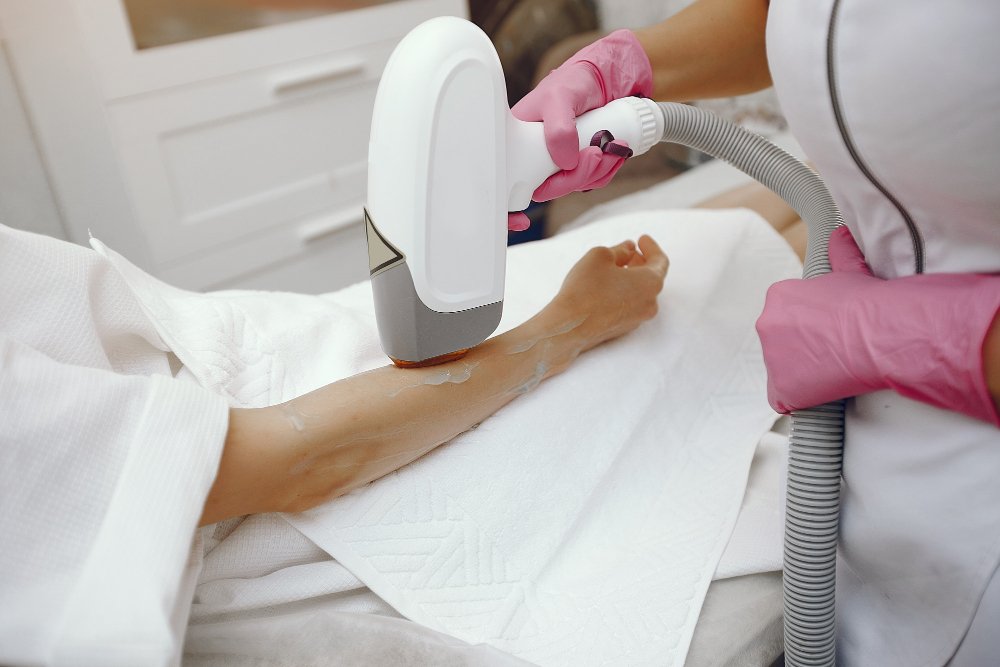
Before discussing skin darkening, it helps to understand how laser hair removal works. The treatment uses concentrated light energy that is absorbed by melanin in the hair. This energy converts into heat, which damages the hair follicle and reduces its ability to produce new hair over time.
The treatment is designed to target the hair follicle, but the surrounding skin also needs to be considered. Here are five important things to know.
1. The laser targets pigment in the hair: The laser works by identifying pigment in the hair shaft and follicle. The energy is absorbed by this pigment and converted into heat, which helps damage the follicle. Since melanin is also present in your skin, choosing the correct laser and settings is important to limit unnecessary heating of the surrounding tissue.
2. Your skin may become temporarily red: Mild redness and swelling around hair follicles are common immediately after treatment. This usually settles within a short period, depending on your skin and the area treated. Temporary redness does not automatically mean that your skin will become darker.
3. Heat can trigger pigmentation in some people: When the skin experiences excessive heat or irritation, it may produce more melanin as part of its response. This can result in post-inflammatory hyperpigmentation, which appears as brown, greyish, or darker patches. The risk can increase if the treatment settings are unsuitable or the skin is already irritated.
4. Hair growth changes gradually: Laser hair removal usually requires multiple sessions because hair grows in different cycles. You may notice reduced hair growth over time rather than complete hair removal after one appointment. Having several sessions does not automatically increase the risk of darkening, provided the treatment is appropriately planned and your skin has recovered between appointments.
5. Aftercare affects how your skin responds: Your skin may be more sensitive immediately after treatment. Excessive sun exposure, picking at irritated skin, harsh exfoliation, and using products that cause burning or inflammation can increase the likelihood of pigmentation. Following your clinic's aftercare instructions is therefore an important part of the treatment process.
Can Laser Hair Removal Cause Darkening of the Skin? 6 Possible Reasons
The answer depends on how your skin responds to the treatment and whether the procedure is performed with suitable settings. Skin darkening is possible, but it is not inevitable. These are six factors that may contribute to pigmentation after laser hair removal.
1. Incorrect laser settings
Laser treatments need to be adjusted according to your skin tone, hair thickness, treatment area, and individual response.
Settings that are too aggressive for your skin may cause excessive heat, leading to irritation or, in more serious cases, burns and pigmentation.
This is why a treatment should not be performed using the same settings for everyone. A qualified professional should assess your skin and select suitable parameters.
2. Your natural skin tone
People with medium to deep skin tones generally have more melanin in their skin.
This means the surrounding skin may absorb some of the laser energy along with the pigment in the hair.
It does not mean that people with darker skin cannot undergo laser hair removal.
Rather, the laser type, settings, cooling methods, and experience of the treating professional become especially important.
A suitable device, such as an appropriately configured long-pulsed Nd:YAG laser, may be considered for darker skin tones.
3. Sun exposure before or after treatment
Spending time in the sun can increase skin pigmentation and may also make your skin more sensitive to laser treatment.
Recently tanned skin can respond differently to the laser, which is why your provider may recommend postponing a session if you have a fresh tan or sunburn.
After treatment, unprotected sun exposure can worsen existing pigmentation or encourage new dark spots to develop.
Daily sun protection is particularly important when the treated area is exposed.
4. Heat-related skin injury
If the skin receives excessive laser energy, it may develop significant redness, blistering, crusting, or burns.
As the injured skin heals, it can leave behind dark marks known as post-inflammatory hyperpigmentation.
These changes are different from the mild redness that commonly follows a session. Blistering, severe pain, or spreading discolouration should not be ignored.
Contact your treating clinic or a dermatologist if these symptoms occur.
5. Existing pigmentation or skin sensitivity
If you already have pigmentation, melasma, eczema, or a history of dark marks after acne, cuts, or insect bites, your skin may be more likely to develop pigmentation after inflammation. This does not automatically rule out laser hair removal, but it makes an individual assessment more important.
Your provider should know about previous reactions to skin treatments, active rashes, and any products or medicines that may affect your skin's sensitivity.
6. Picking, rubbing, or using harsh products after treatment
The treated area may feel slightly warm, sensitive, or itchy.
Scratching it, using rough scrubs, or applying strong exfoliating products too soon can irritate the skin further.
Repeated irritation may trigger additional pigmentation, particularly in people who are already prone to dark marks.
Gentle cleansing, moisturising, and following your clinic's instructions can help reduce unnecessary irritation.
Which Areas of the Body Are More Prone to Darkening After Laser Hair Removal?
Not every area of your body responds to laser treatment in the same way. Skin thickness, friction, existing pigmentation, and how much sun the area receives can influence the risk.
| Treatment Area | Why Darkening May Occur | What You Should Keep in Mind |
|---|---|---|
| Underarms | Friction, existing pigmentation, shaving irritation, and inflammation | Avoid tight clothing and harsh deodorants if the area feels irritated after treatment. |
| Bikini Line | Friction, moisture, and sensitivity in the surrounding skin | Follow aftercare instructions carefully and avoid waxing or scrubbing between sessions. |
| Face | Sun exposure, existing pigmentation, and sensitivity to skincare products | Use appropriate sun protection and inform your provider about melasma or previous pigmentation. |
| Upper Lip | Frequent sun exposure and existing facial pigmentation | Avoid irritating skincare products and seek advice if dark patches become more noticeable. |
| Legs | Sun exposure, tanning, and irritation from shaving | Protect exposed skin from the sun and avoid treatment over recently tanned skin. |
| Arms | Regular sun exposure and uneven tanning | Tell your provider about recent outdoor exposure and follow sun protection advice. |
Is Skin Darkening After Laser Hair Removal Permanent?
Skin darkening after laser hair removal is not always permanent. In many cases, it is related to post-inflammatory hyperpigmentation, which may gradually fade as the skin recovers. The time required can vary considerably depending on the depth of the pigmentation, your natural skin tone, and whether the area continues to experience irritation.
Here are five things that can influence how long the darkening lasts.
1. The cause of the pigmentation
Dark marks caused by mild inflammation may fade over time. However, pigmentation following a significant burn or deeper skin injury may take longer to improve and may require medical treatment. Identifying the cause is the first step towards managing it.
2. Your natural tendency to develop dark marks
Some people develop pigmentation after even minor irritation, such as acne, insect bites, or scratches. If this sounds familiar, tell your dermatologist before starting laser hair removal. Your history can help the provider assess your risk and plan treatment more carefully.
3. The depth and severity of the skin injury
Pigmentation that develops after mild irritation may resolve more quickly than changes associated with a burn or prolonged inflammation. Deeper pigmentation can be more stubborn and may need professional treatment. Avoid trying to speed up the process with strong home remedies, as these can cause further irritation.
4. Sun exposure after the session
UV exposure can make dark marks more noticeable and slow the improvement of some forms of pigmentation. Protecting the area from the sun, using broad-spectrum sunscreen on exposed skin, and following your provider's advice can help prevent further darkening.
5. The skincare products you use
Gentle skincare can support the skin's recovery. However, strong acids, retinoids, bleaching creams, and other active ingredients may irritate recently treated skin if used at the wrong time. Ask your dermatologist when it is appropriate to restart these products rather than experimenting on your own.
How to Reduce the Risk of Skin Darkening Before and After Laser Hair Removal
You cannot eliminate every possible risk, but you can take steps to reduce the likelihood of irritation and unwanted pigmentation. The following measures are particularly useful if you are planning laser hair removal in Bangalore and want to protect your skin throughout the treatment process.
Before your appointment
1. Get your skin assessed: A proper consultation allows the provider to examine your skin tone, hair type, existing pigmentation, and medical history. Tell them if you have melasma, eczema, a tendency to develop dark marks, or a history of burns from previous treatments.
2. Avoid tanning: Avoid intentional tanning and follow your clinic's guidance on sun exposure before the session. If you have a recent tan or sunburn, tell your provider before proceeding. Your appointment may need to be postponed to reduce the risk of an adverse skin reaction.
3. Discuss your medications and skincare routine: Some medicines and topical products can increase skin sensitivity or affect how your skin responds to treatment. Share a complete list with your provider, including prescription creams, retinoids, acne medication, and recently used chemical peels. Do not stop prescribed medicines without medical advice.
4. Follow the clinic's preparation instructions: You may be asked to shave the treatment area before your appointment. Avoid waxing or plucking for the period recommended by your provider because these methods remove the hair that the laser needs to target. Do not apply products that may irritate the skin immediately before treatment.
5. Ask about a test spot: A test spot can help the provider assess how your skin responds to selected laser settings before treating a larger area. It does not guarantee that pigmentation will never occur, and any reaction may take time to appear, but it can provide useful information when deciding how to proceed.
After your appointment
1. Keep the area cool and comfortable: Mild warmth and redness may occur after treatment. A cool compress can help soothe the area if your provider recommends it. Avoid applying ice directly to the skin, and do not use excessive heat to relieve discomfort.
2. Protect the treated area from the sun: Use a broad-spectrum sunscreen with SPF 30 or higher on exposed skin and reapply as directed. Clothing and shade can provide additional protection. Your provider may recommend avoiding direct sun exposure for a period after treatment.
3. Use gentle skincare: Wash the area with a mild cleanser and use a suitable moisturiser if advised. Avoid scrubs, strong exfoliating acids, and other potentially irritating products until the skin has settled and your provider says they can be resumed.
4. Avoid friction and unnecessary irritation: Do not scratch, pick, or aggressively rub the treated area. For underarms and the bikini line, choose comfortable clothing that reduces friction while the skin is sensitive. Avoid activities or products that cause significant irritation.
5. Contact your provider if the reaction seems unusual: Mild redness that settles is different from blistering, severe pain, crusting, or progressive darkening. If you experience these symptoms, contact your clinic promptly. Do not attempt to treat a possible burn with strong creams or home remedies without professional guidance.
Why Choose Anew As Your Skin Clinic for Laser Hair Removal in Bangalore?
Choosing a clinic for laser hair removal involves more than comparing prices or looking for quick results. Your skin tone, hair type, existing pigmentation, and treatment history all matter when planning a suitable approach. At Anew, a skin and aesthetic clinic in Bangalore, the focus should be on understanding your individual concerns, explaining the treatment process, and helping you make an informed decision about your skin.
A consultation can help establish whether laser hair removal is appropriate for you, what kind of results may be realistic, and what precautions you should follow before and after each session. If you are concerned about underarm pigmentation, facial dark patches, sensitive skin, or previous reactions to hair removal methods, discuss these concerns before starting treatment.
A personalised assessment is especially important for Indian skin tones, where selecting suitable laser settings and providing clear aftercare guidance can help reduce the risk of unwanted pigmentation. When looking for the Best Skin & Aesthetic Clinic in Bangalore, prioritise transparent communication, appropriate clinical assessment, hygiene, and a willingness to address possible risks rather than relying on guarantees. Anew can be a place to begin that conversation and understand the options available for your laser hair removal needs.

Making an Informed Decision About Laser Hair Removal
Laser hair removal can make your hair removal routine easier, but it is understandable to have questions about what the treatment might do to your skin. If you have noticed dark patches after a session, or you are worried about developing them, the important thing is to understand why pigmentation can occur and what you can do to reduce the risk.
So, can laser hair removal cause darkening of the skin? Yes, it can, particularly when the skin experiences excessive heat, irritation, or injury. However, darkening is not an unavoidable part of laser hair removal. The right laser, carefully selected settings, a proper skin assessment, and suitable aftercare can help reduce the risk. People with Indian skin tones can often undergo treatment, but their individual skin characteristics should be considered before a session begins.
At Anew, you can enquire about laser hair removal and discuss your concerns with the clinic before deciding on the next step. Whether you are treating your face, arms, legs, underarms, or bikini line, a considered approach can help you understand what to expect and how to care for your skin.
The goal is not simply to have less hair. It is to choose a treatment that fits your needs, protects your skin, and gives you realistic expectations from the beginning.
