

Can Pigmentation Be Treated Without Laser Treatment?
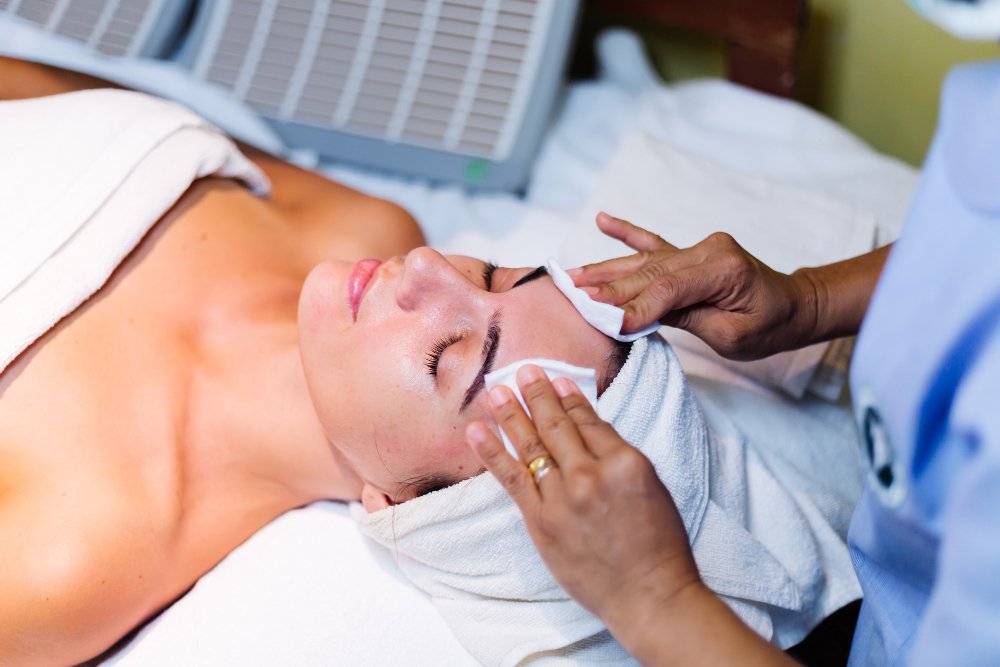
Pigmentation can be frustrating, especially when dark patches, acne marks or uneven skin tone refuse to fade despite trying different skincare products. You might notice that your skin looks darker around the cheeks, forehead or upper lip, or that marks left behind by acne are taking much longer to disappear than expected. While these concerns are common, finding the right treatment can sometimes feel confusing. With so many skincare procedures available today, laser treatment is often one of the first options people come across. But does treating pigmentation always require a laser?
The good news is that laser treatment is not the only way to manage pigmentation. Several non-laser treatments, including chemical peels, medical skincare, topical medications and certain dermatological procedures, can help improve uneven skin tone. The right option depends on what is causing the pigmentation, how deep it is, your skin type and whether you have any other skin concerns. For some people, a carefully planned skincare routine may be enough, while others may benefit from professional treatments performed by a dermatologist.
For those considering pigmentation treatment in Bangalore, consulting a qualified skin specialist can help you understand which options are suitable for your skin. At Anew, the focus is on assessing individual skin concerns and recommending treatments based on specific needs rather than suggesting the same procedure for everyone. This blog explores the different ways pigmentation can be treated without lasers, what results you can expect and how to choose an approach that works for your skin.
Can Pigmentation Be Treated Without Laser Treatment?
Yes, pigmentation can often be treated without laser procedures. Several non-laser treatments work by reducing excess melanin production, encouraging skin renewal, improving cell turnover and addressing the factors responsible for dark patches.
However, the treatment approach depends on the type and depth of pigmentation. For example, pigmentation left behind by acne may respond well to topical ingredients and chemical peels, while melasma may require a longer-term treatment plan that combines prescription skincare, sun protection and selected in-clinic procedures.
Here are some ways pigmentation can be managed without laser treatment:
Topical creams and serums: Dermatologist-recommended ingredients such as vitamin C, azelaic acid, retinoids and other skin-brightening agents can help reduce uneven pigmentation over time.
Chemical peels: These treatments use carefully selected acids to exfoliate the outer layers of the skin and improve the appearance of certain types of pigmentation.
Medical skincare routines: A combination of cleansers, moisturisers, sunscreen and targeted active ingredients can help manage pigmentation and prevent existing patches from becoming darker.
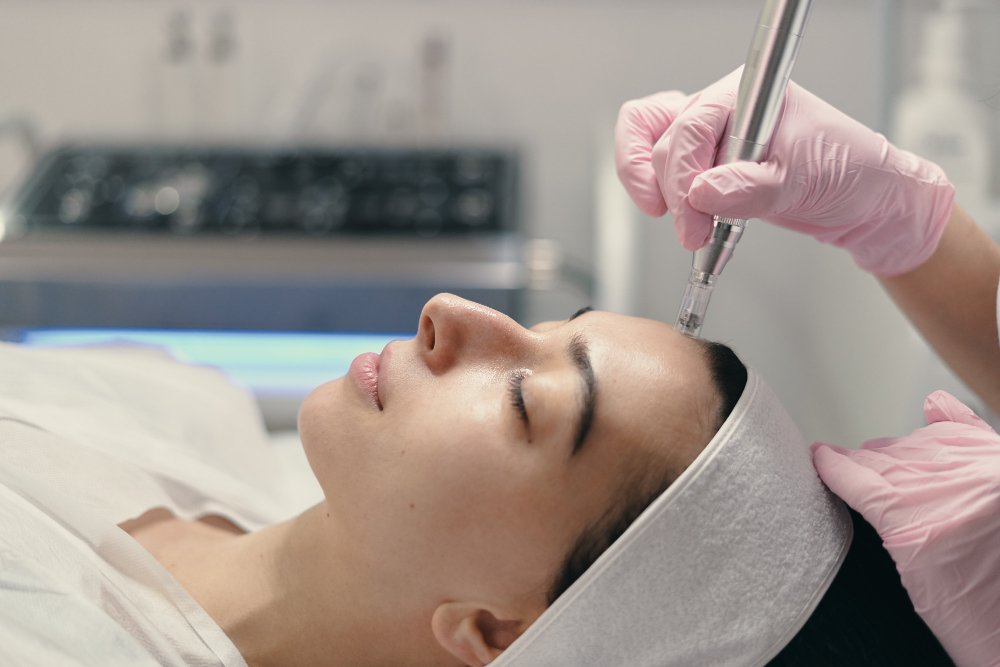
Microneedling: In selected cases, microneedling may help improve skin texture and pigmentation when performed by a trained professional using an appropriate treatment protocol.
Sun protection: Daily sunscreen use is essential because ultraviolet radiation and visible light can worsen several forms of pigmentation, including melasma.
Treatment of underlying skin concerns: Acne, irritation and inflammation can contribute to dark marks. Managing these concerns can help prevent new pigmentation from developing.
The important thing to remember is that non-laser treatments are not necessarily weaker alternatives. Some pigmentation concerns respond well to them, and certain conditions may be better managed with a combination of topical treatments and sun protection. A dermatologist can help determine which approach is appropriate for your skin.
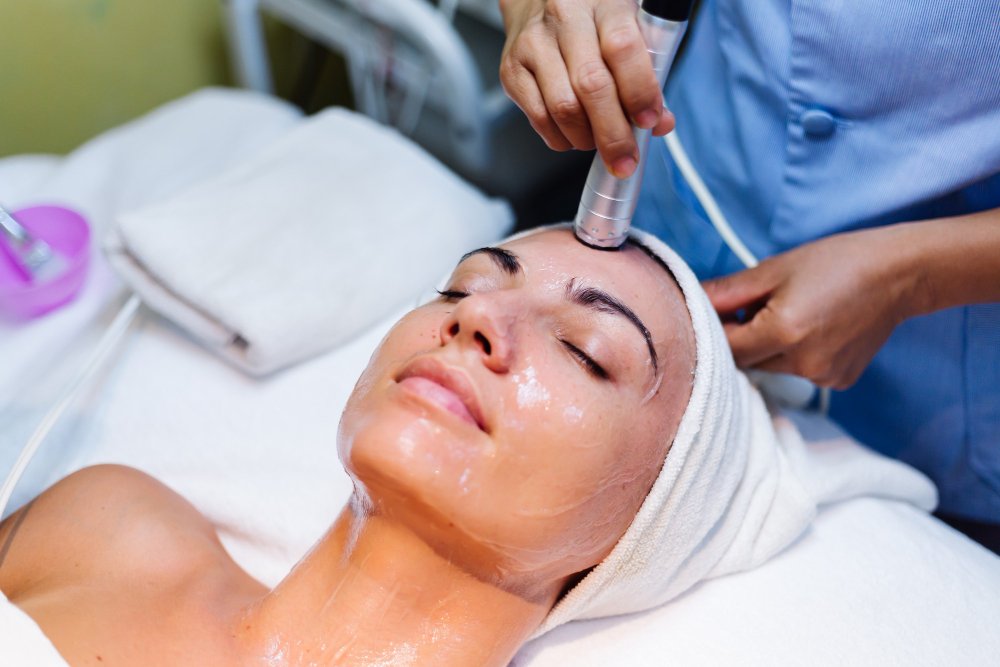
What Are the Different Non-Laser Treatments for Pigmentation?
There is no single treatment that works for every type of pigmentation. A dermatologist may recommend one procedure or combine different options depending on the concern being treated. Here are some commonly used non-laser approaches.
1. Chemical Peels
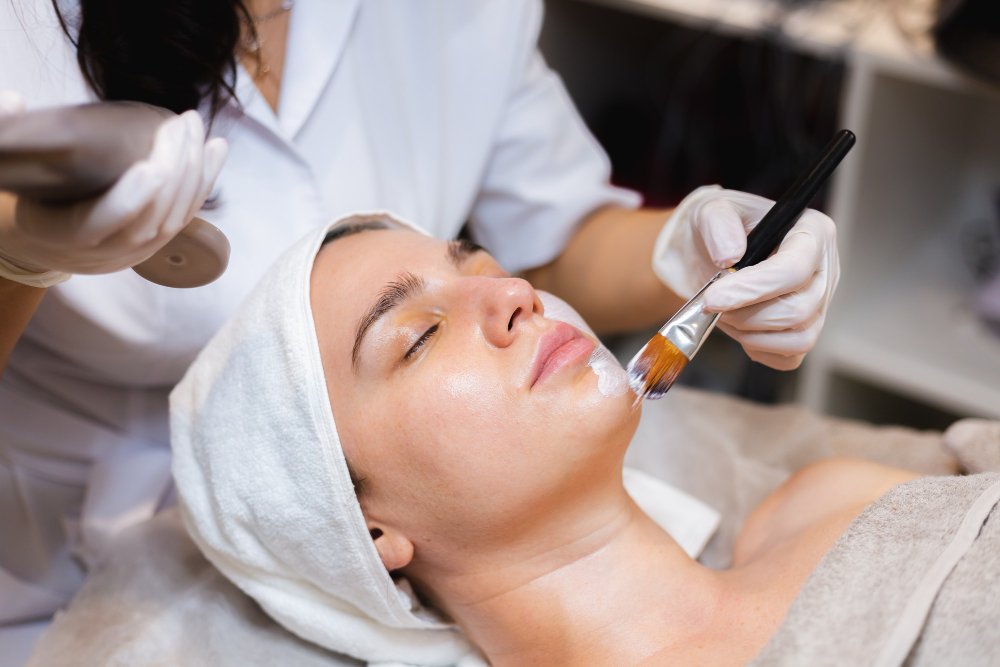
Chemical peels are among the commonly considered treatments for pigmentation. They involve applying a controlled chemical solution to the skin to exfoliate dead skin cells and encourage the growth of newer skin cells. Depending on the type and strength of the peel, it may work on the superficial layers of the skin or reach slightly deeper layers.
Chemical peels may help with:
Post-acne pigmentation: Dark marks left behind after pimples heal may improve with suitable chemical peels. These treatments help remove some of the pigmented surface cells and encourage skin renewal.
Sun-induced pigmentation: Certain superficial sunspots and uneven patches may become less noticeable with appropriately selected peels.
Uneven skin tone: If your skin looks patchy or dull because of accumulated dead skin cells, exfoliation may help create a more even appearance.
Mild melasma: Some superficial peels may be included in a melasma treatment plan. However, they need to be selected carefully because irritation can sometimes make melasma worse.
Skin texture concerns: Chemical peels can also improve roughness and mild congestion, making them useful when pigmentation occurs alongside other skin concerns.
The type of peel matters. Glycolic acid, lactic acid, mandelic acid and salicylic acid are among the ingredients used in professional peels. The dermatologist selects the formulation based on your skin condition and tolerance.
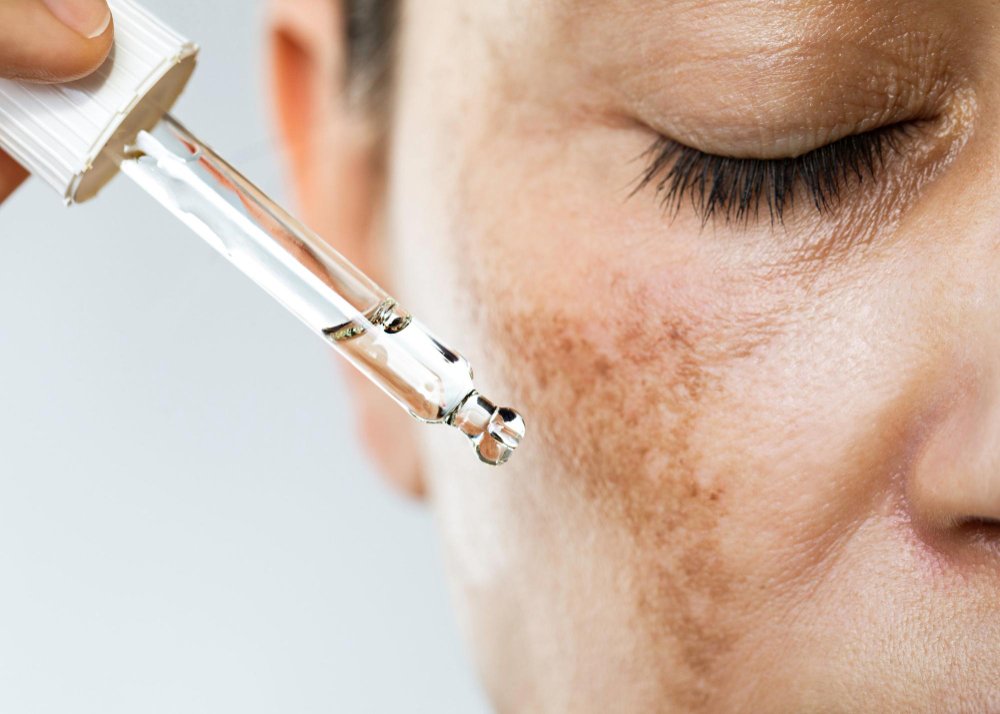
2. Topical Creams and Serums
Not every pigmentation concern requires an in-clinic procedure. In many cases, topical treatments are an important part of managing dark spots and uneven skin tone. These products contain active ingredients that help regulate melanin production, reduce inflammation or improve the natural renewal of skin cells.
Some commonly used ingredients include:
Vitamin C: This antioxidant helps protect the skin from environmental damage and can reduce the appearance of certain dark spots. It also supports a brighter and more even-looking complexion.
Azelaic acid: It can help manage pigmentation and acne-related marks. It is often considered for people who experience both breakouts and uneven skin tone.
Retinoids: These ingredients encourage skin cell turnover and may help improve post-acne pigmentation over time. They can also support smoother skin texture.
Niacinamide: Niacinamide can help reduce the transfer of melanin to surrounding skin cells. It may also support the skin barrier and help manage inflammation.
Hydroquinone: This is a prescription skin-lightening ingredient used for certain pigmentation concerns. It should only be used under medical supervision because inappropriate or prolonged use can cause unwanted side effects.
Kojic acid: This ingredient helps reduce melanin production and is used in some products designed to improve dark spots and uneven skin tone.
A dermatologist may recommend one ingredient or a combination depending on your skin's needs. It is also important to introduce active ingredients carefully. Using multiple strong products at the same time can damage the skin barrier and cause irritation, which may lead to more pigmentation.
3. Medical Skincare and Maintenance Treatments
Medical skincare focuses on using products and ingredients that address specific skin concerns rather than relying only on general cosmetic products. It can be particularly useful for people who experience recurring pigmentation or want to maintain the results of an in-clinic treatment.
A suitable skincare routine may include:
A gentle cleanser: Cleansing helps remove sweat, oil, sunscreen and environmental impurities without unnecessarily stripping the skin. A harsh cleanser can cause dryness and irritation, which may make pigmentation harder to manage.
A targeted treatment serum: A dermatologist may recommend a serum containing vitamin C, niacinamide, azelaic acid or another suitable ingredient to address dark spots.
A moisturiser: Keeping the skin hydrated helps maintain its protective barrier. This is especially important when using active ingredients that may cause dryness or peeling.
Broad-spectrum sunscreen: Sunscreen protects the skin from ultraviolet radiation, which can worsen pigmentation and contribute to the formation of new dark spots.
Night-time skincare: Depending on your skin type, a dermatologist may recommend retinoids or other treatments at night to support skin renewal and improve pigmentation gradually.
4. Microneedling
Microneedling is a procedure that uses fine, sterile needles to create controlled micro-injuries in the skin. These small injuries stimulate the body's natural healing response and encourage collagen production.
Although microneedling is more commonly associated with acne scars and skin texture, it may be considered for selected pigmentation concerns as part of a dermatologist-supervised treatment plan.
It may be useful in the following situations:
Pigmentation with acne scars: People who have both uneven skin tone and certain types of acne scars may benefit from a carefully planned treatment approach.
Uneven skin texture: Microneedling can support collagen production, which may improve the appearance of rough or uneven skin.
Post-inflammatory marks: In selected cases, it may be considered alongside other treatments for marks left behind by inflammation.
Overall skin quality: The procedure may help improve the appearance of fine lines and certain textural concerns while addressing other skin issues.
Combination treatment plans: A dermatologist may consider microneedling alongside topical treatments or other procedures when appropriate.
5. Oral Medications and Other Dermatologist-Prescribed Treatments
Some pigmentation conditions may require more than creams and cosmetic procedures. A dermatologist may consider prescription treatments depending on the cause, severity and medical history of the patient.
For example, certain cases of melasma may be managed with prescription topical medications or, in carefully selected patients, oral tranexamic acid. However, oral tranexamic acid is not suitable for everyone and requires a medical assessment because it can increase the risk of blood clots in some individuals.
Other treatment considerations include:
Prescription combinations: A dermatologist may prescribe a combination of ingredients to address pigmentation through different mechanisms. These combinations need to be used according to medical instructions.
Anti-inflammatory treatment: If pigmentation is linked to an ongoing inflammatory skin condition, treating that condition can help prevent further dark marks.
Hormonal assessment: Melasma may be associated with hormonal influences, including pregnancy or hormonal medication. A dermatologist can help identify possible contributing factors.
Reviewing existing medication: Certain medicines can cause pigmentation as a side effect. A doctor may review your medication history and discuss appropriate alternatives with the prescribing specialist if necessary.
Long-term monitoring: Some conditions, particularly melasma, can return even after improvement. Regular follow-ups help assess the skin and adjust the treatment plan when needed.
Which Non-Laser Treatment Is Suitable for Different Types of Pigmentation?
The treatment that works for one person may not be suitable for another. This is because pigmentation can develop for different reasons, and the depth of the affected pigment also influences the treatment response.
| Type of Pigmentation | Common Causes | Possible Non-Laser Treatments |
|---|---|---|
| Melasma | Sun exposure, hormonal changes and genetic factors | Prescription creams, azelaic acid, selected chemical peels and strict sun protection |
| Post-acne pigmentation | Inflammation caused by acne and skin picking | Azelaic acid, retinoids, chemical peels and medical skincare |
| Sunspots | Prolonged exposure to ultraviolet radiation | Selected chemical peels, topical treatments and sun protection |
| Post-inflammatory hyperpigmentation | Inflammation, irritation, injuries or skin conditions | Treatment of the underlying cause, topical creams and selected peels |
| Pigmentation around the mouth | Irritation, friction, hormonal influences or other underlying conditions | Cause-specific treatment, gentle skincare and dermatologist-prescribed topical products |
| Uneven skin tone | Sun exposure, dead skin build-up and previous inflammation | Medical skincare, chemical peels and suitable topical treatments |
How Long Does It Take to See Results From Non-Laser Pigmentation Treatments?
One of the most common concerns people have before starting treatment is how quickly they can expect to see a difference. Unlike some cosmetic procedures that produce an immediate visible change, pigmentation treatments usually require patience and consistency.
The timeline depends on the type of pigmentation, the treatment being used and how your skin responds.
1. Topical creams and serums: Topical treatments generally take several weeks to show noticeable improvement. Some people may start seeing changes within 6 to 12 weeks, while more persistent pigmentation may take longer.
2. Chemical peels: Chemical peels may improve the appearance of certain superficial pigmentation concerns over a series of sessions. The number of sessions depends on the type of peel, the condition being treated and your skin's tolerance.
3. Medical skincare: A medical skincare routine works gradually by addressing the factors contributing to pigmentation. Sunscreen helps prevent further darkening, while targeted ingredients work on existing marks.
4. Microneedling: If microneedling is recommended for a suitable concern, improvement generally develops gradually as the skin heals and produces collagen. Multiple sessions may be required, depending on the treatment goal.
5. Melasma management: Melasma can be particularly challenging because it may return even after the patches have faded. Treatment may involve a combination of prescription skincare, sun protection and selected procedures.

Why Choose Anew for Pigmentation Treatment in Bangalore?
Choosing the right clinic is an important part of addressing pigmentation, especially when you have been dealing with recurring dark spots or uneven skin tone. At Anew, the approach to pigmentation treatment focuses on understanding your skin concerns before recommending suitable options. Whether you are dealing with melasma, post-acne marks, sun-induced pigmentation or uneven skin tone, the treatment plan can be based on your skin type, sensitivity and individual requirements.
As a Skin Clinic in Bangalore, Anew offers an opportunity to explore professional skin treatments and understand which options may be appropriate for your concern. Instead of assuming that every pigmentation problem needs laser treatment, a skin assessment can help determine whether chemical peels, topical treatments or other non-laser procedures may be considered. The focus is on choosing an appropriate approach, providing guidance on skincare and helping you understand how to maintain your results over time. If you are considering pigmentation treatment in Bangalore, consulting the team at Anew can be a starting point for understanding your skin better and exploring suitable treatment options.
Clearer Skin Starts With the Right Treatment Approach
Pigmentation does not always mean you need to undergo laser treatment. Depending on the cause and depth of the dark patches, several non-laser options can help improve uneven skin tone. Chemical peels, topical creams, prescription treatments, medical skincare and selected dermatological procedures may all have a role in managing pigmentation. The important part is choosing an approach that addresses the actual reason behind the discoloration rather than trying multiple products or procedures without understanding what your skin needs.
If you have been asking yourself, can pigmentation be treated without laser treatment, it is worth knowing that many people can manage certain pigmentation concerns through a combination of professional treatments and consistent skincare. However, results are not always immediate. Some dark marks may take several weeks or months to fade, while conditions such as melasma may require ongoing care to prevent recurrence. Patience, regular sunscreen use and following your dermatologist's recommendations can make a significant difference.
For anyone exploring pigmentation treatment in Bangalore, the first step should be a proper skin assessment. A treatment that works for acne-related pigmentation may not be suitable for melasma or pigmentation caused by irritation. Understanding this difference can help you avoid unnecessary procedures and reduce the chances of worsening your skin concern.
At Anew, you can explore suitable options for managing pigmentation based on your skin's condition and individual needs. Whether you are looking into chemical peels, medical skincare or other non-laser treatments, getting professional guidance can help you make a more informed decision. Instead of choosing a procedure simply because it is popular, focus on understanding what your skin needs and what can realistically improve it. With the right treatment plan and consistent care, achieving a more even-looking complexion without laser treatment may be possible.
