

Cosmelan Peel vs Laser Treatment: Which Is Better for Pigmentation?
Dark patches, stubborn acne marks and uneven skin tone can be difficult to manage, especially when they keep returning despite trying different creams and skincare products. You might have already experimented with vitamin C serums, exfoliating products or home remedies, only to find that the pigmentation has barely changed. This is often when people start looking into professional treatments. Two options that frequently come up are Cosmelan peel and laser treatment. Both are used to address pigmentation, but they work differently and are not suitable for exactly the same concerns.
So, when considering Cosmelan peel vs laser treatment: which is better for pigmentation? There is no universal answer. A treatment that works well for melasma may not be the best choice for sunspots or pigmentation left behind by acne. In some cases, a dermatologist may recommend one treatment, while in others, a combination of procedures and medical skincare may be more appropriate.
For those exploring pigmentation treatment in Bangalore, understanding these differences can help you make a more informed decision before booking a procedure. At Anew, the focus is on understanding individual skin concerns and exploring suitable treatment options rather than treating every pigmentation problem in the same way. This blog explains how Cosmelan peel and laser treatments work, their differences, the concerns they may address and the factors to consider before choosing either option.
What Is a Cosmelan Peel and How Does It Work?
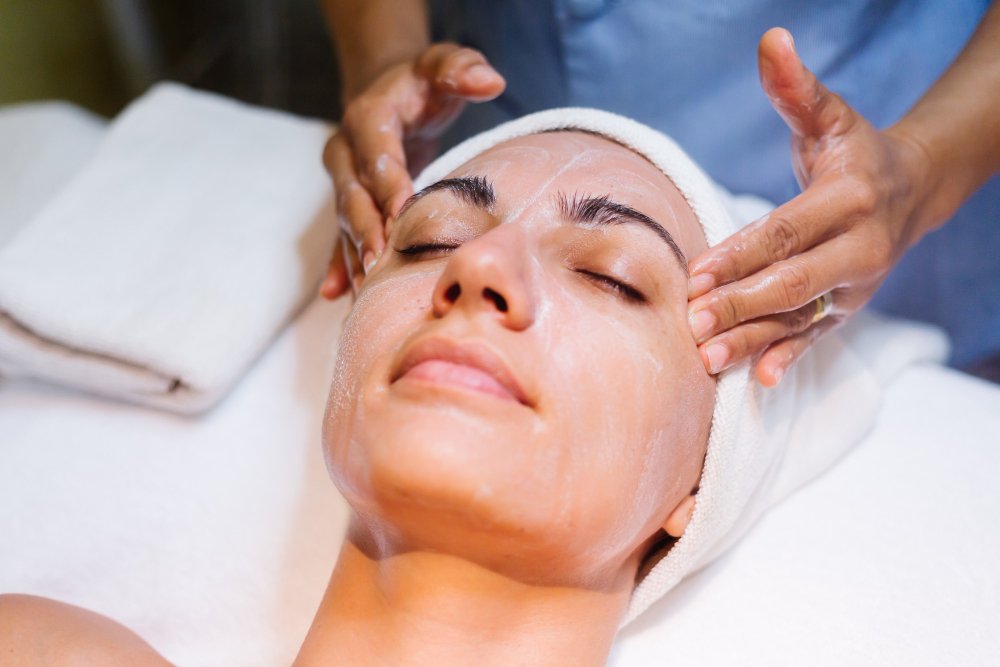
Cosmelan peel is a professional depigmentation treatment designed to improve the appearance of dark patches and uneven skin tone. It works by targeting processes involved in melanin production, helping reduce excess pigmentation and regulate the formation of new pigment.
Melanin is the natural pigment responsible for your skin colour. When it is produced in excess or becomes unevenly distributed, certain areas may appear darker than the surrounding skin. This can happen due to sun exposure, hormonal changes, inflammation or skin irritation.
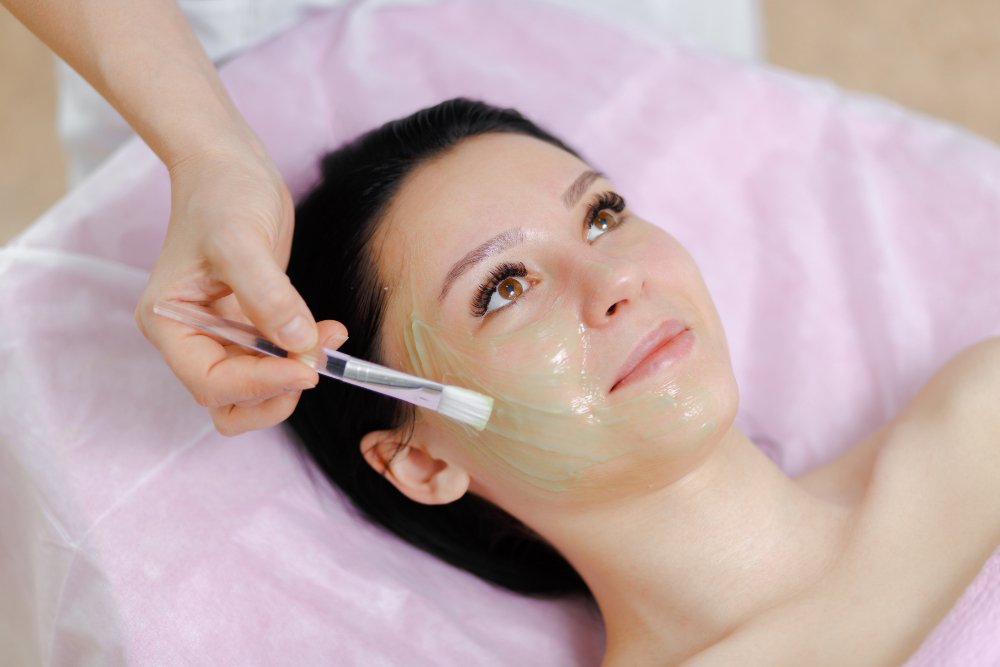
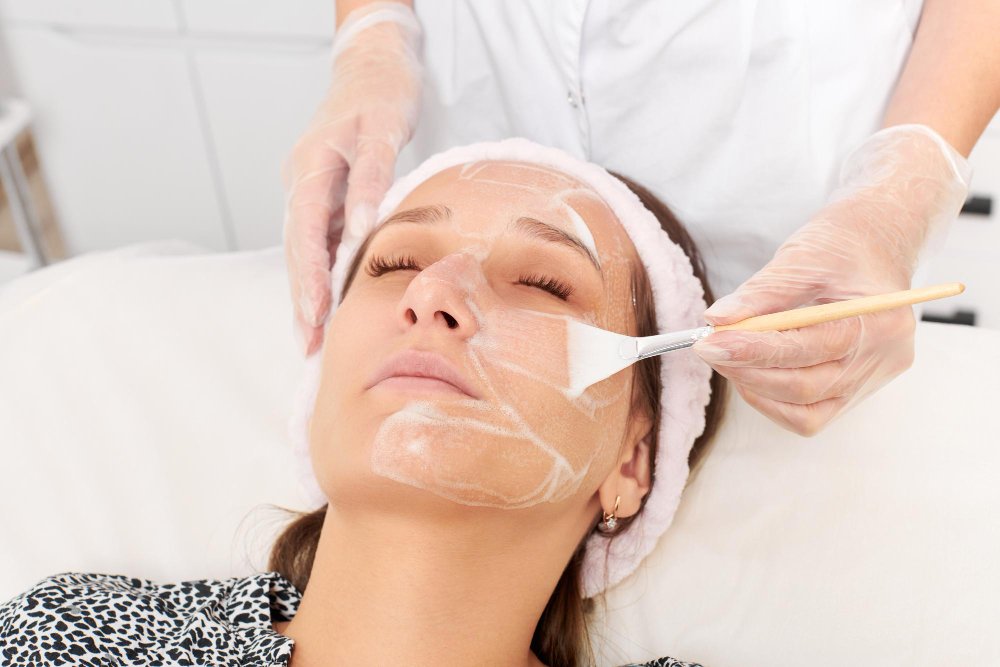
Unlike a laser procedure that uses light energy, Cosmelan follows a topical treatment approach. The treatment generally involves an in-clinic application followed by a prescribed home-care routine. The exact protocol depends on the product instructions and the professional supervising your treatment.
Here is how the treatment works:
1. Helps regulate melanin production: One of the main goals of Cosmelan is to reduce excessive melanin production. Its depigmenting ingredients work on processes involved in pigment formation, helping improve the appearance of existing dark patches and reduce the development of new pigmentation.
2. Targets uneven skin tone: Pigmentation does not always appear as a single dark spot. It may show up as larger patches across the cheeks, forehead, upper lip or other areas. Cosmelan may be considered for suitable cases where pigmentation is spread across different parts of the face.
3. Encourages skin renewal: The treatment can also involve exfoliating effects that help remove some of the pigmented surface cells. As the skin renews itself, the appearance of uneven tone may gradually improve.
4. Requires a home-care routine: Cosmelan is not simply a one-time application followed by no further care. The home-care stage is an important part of the treatment. It may involve specific products recommended as part of the protocol, along with moisturising and strict sun protection.
5. Works gradually: The skin does not become evenly toned immediately after the procedure. Some people experience redness, tightness, dryness or peeling during the initial recovery period. Visible improvement develops gradually as the skin responds to treatment and the prescribed routine is followed.
What Is Laser Treatment for Pigmentation?
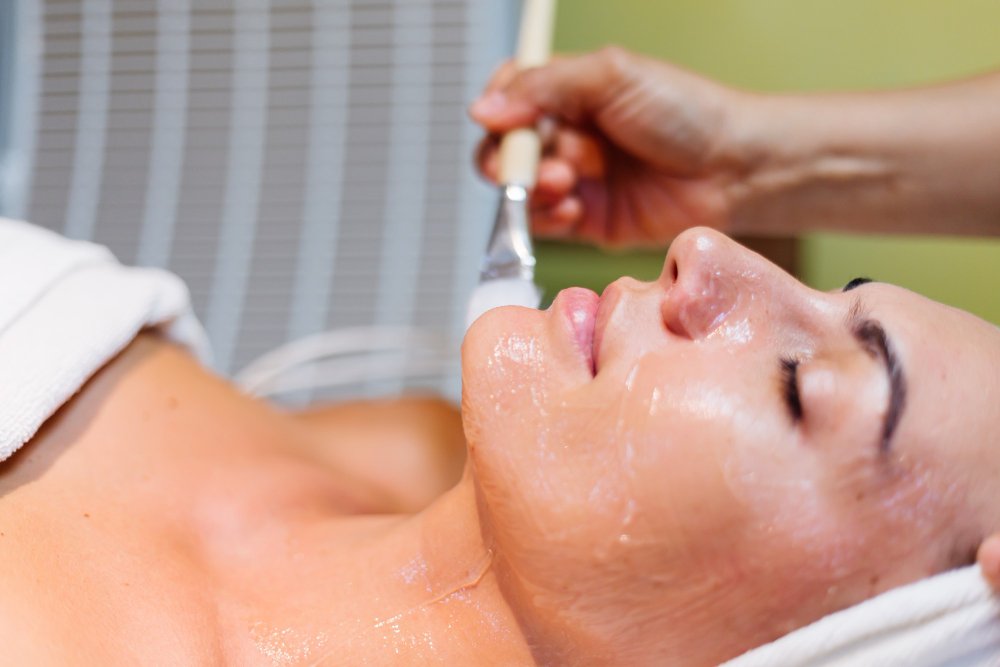
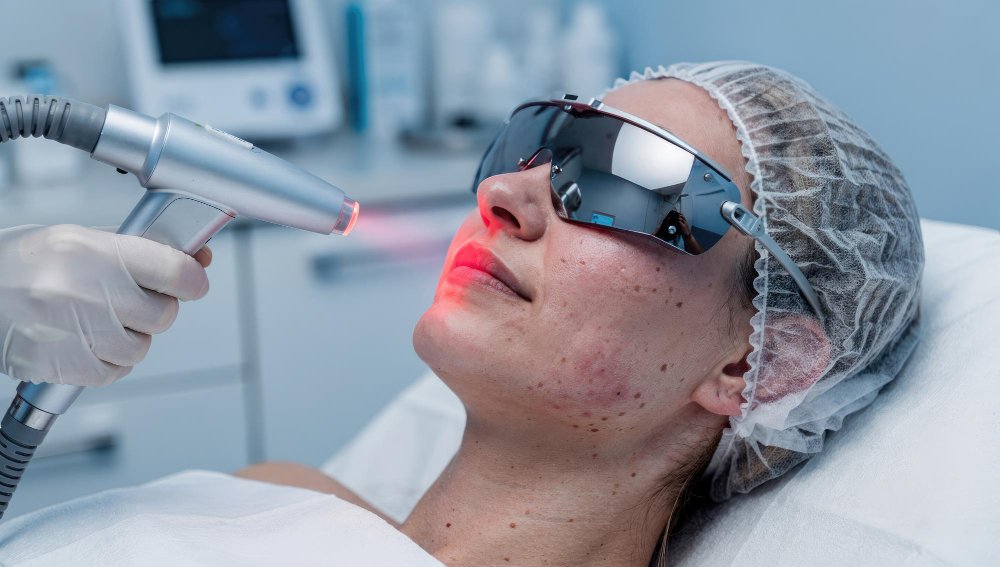
Laser treatment uses concentrated light energy to target specific structures in the skin. When used for pigmentation, certain laser systems are designed to target melanin or pigment-containing cells. The absorbed energy can break up pigment particles or affect the targeted structures, allowing the body's natural processes to gradually clear or remove them.
It is important to understand that laser treatment is not a single procedure. Different laser technologies use different wavelengths and energy settings. Some are designed for specific pigmented lesions, while others may be used for skin resurfacing or other concerns.
Here are five important aspects of laser treatment for pigmentation:
Targets selected pigment: Certain lasers are absorbed by melanin in the skin. The energy is directed towards the targeted pigment, helping break it into smaller particles that the body can gradually clear.
Different laser technologies are available: Q-switched lasers, picosecond lasers and other laser systems may be used for selected pigmentation concerns. The choice depends on the type of pigmentation, its depth and the individual's skin characteristics.
Treatment can be area-specific: Depending on the diagnosis, a dermatologist may use laser treatment to address selected spots or specific areas of pigmentation rather than treating the entire face.
Multiple sessions may be required: Some pigmentation concerns respond over a series of sessions. The number and spacing of appointments depend on the laser used, the condition being treated and the skin's response.
Aftercare is important: Skin may experience temporary redness, swelling, sensitivity or changes in pigmentation after a laser procedure. Following sun protection and aftercare instructions helps support recovery and reduce complications.
Cosmelan Peel vs Laser Treatment: What Are the Main Differences?
Although both treatments are used to improve pigmentation, their methods, treatment processes and suitability differ. Cosmelan is a depigmentation peel that works through topical ingredients, while laser treatment uses light energy to target selected structures in the skin.
Understanding these differences can help you discuss the right option with your dermatologist.
| Aspect | Cosmelan Peel | Laser Treatment |
|---|---|---|
| Approach | Topical depigmentation peel with an in-clinic application and a prescribed home-care routine | Uses light energy to target melanin or pigment-containing cells |
| How It Works | Helps regulate melanin production and encourages skin renewal | Breaks pigment into smaller particles that the body gradually clears |
| Treatment Area | Applied to broader areas according to the treatment protocol | Can target selected spots or specific areas |
| Often Considered For | Melasma and widespread uneven pigmentation | Selected sunspots and diagnosed pigmented spots |
| Sessions | A structured protocol that includes a home-care phase | May require a series of sessions, depending on the laser and skin response |
| Aftercare | Prescribed home-care routine, moisturising and strict sun protection | Sun protection and aftercare; temporary redness, swelling or sensitivity may occur |
Which Treatment Is Better for Different Types of Pigmentation?
One of the most important things to understand before choosing a pigmentation treatment is that not all dark patches are the same. Melasma, sunspots, acne marks and pigmentation caused by irritation may look similar, but their causes and treatment requirements can be very different.
Let's look at how Cosmelan peel and laser treatment may be considered for different concerns.
1. Melasma
Melasma usually appears as brown or grey-brown patches, commonly across the cheeks, forehead, nose and upper lip.
It is often associated with hormonal influences, sun exposure and genetic factors.
Cosmelan may be considered as part of a melasma treatment plan because it is designed to address excess melanin production.
The prescribed home-care routine and consistent sun protection are important parts of managing the condition.
2. Post-Acne Pigmentation
Cosmelan peel: It may be considered for certain forms of post-inflammatory hyperpigmentation, depending on the extent of pigmentation and skin sensitivity.
Laser treatment: Selected laser technologies may help with certain persistent pigmentary marks, but the type of laser must match the concern.
Topical treatments: Ingredients such as azelaic acid, retinoids and other dermatologist-recommended products may help improve post-acne pigmentation.
Acne management: Treating active acne is important because new breakouts can leave behind additional marks.
Sun protection: Exposure to sunlight can make post-acne pigmentation more noticeable and slow improvement.
3. Sunspots and Sun-Induced Pigmentation
Sunspots are flat, darker areas that commonly appear on parts of the skin exposed to sunlight, such as the face, hands and shoulders. They are often associated with years of ultraviolet exposure.
Certain laser treatments may be effective for selected sunspots because they can target concentrated areas of pigment. However, the dermatologist must first confirm that the spot is benign and suitable for cosmetic treatment.
Cosmelan may be considered for more widespread uneven pigmentation, depending on the diagnosis, but it may not be the first choice for an isolated sunspot.
Daily sunscreen use is important whichever treatment is selected. Without sun protection, new pigmentation can develop even after existing spots have improved.
4. Pigmentation Around the Mouth
Darkness around the mouth can develop for several reasons, including irritation, friction, hormonal influences, inflammation and certain skin conditions. It is important to identify the cause before choosing a treatment.
Cosmelan may be considered in selected cases of excess pigmentation, but it is not suitable for every cause of darkness around the mouth.
If the area is irritated or affected by an underlying skin condition, that concern may need to be managed first.
Laser treatment may also be considered in specific cases, but the skin around the mouth can be sensitive. The risk of irritation and post-inflammatory pigmentation needs to be assessed carefully.
5. Post-Inflammatory Hyperpigmentation
Post-inflammatory hyperpigmentation develops after the skin experiences inflammation or injury. It may follow acne, eczema, burns, insect bites, cosmetic procedures or irritation from unsuitable skincare products.
Both topical depigmentation treatments and selected procedures may be considered, depending on the cause and depth of the pigmentation. However, the first step is to control the inflammation that triggered it.
Using an aggressive peel or laser on irritated skin can make the pigmentation worse. A dermatologist may recommend a gentler approach until the skin barrier has recovered.
What Are the Benefits of Cosmelan Peel?
Cosmelan peel is often considered by people dealing with stubborn pigmentation, particularly when dark patches appear across larger areas rather than as isolated spots. Its approach focuses on regulating melanin production and improving the appearance of uneven skin tone.
Here are some benefits that may make it suitable for selected pigmentation concerns:
1. Addresses excess melanin production: Cosmelan is designed to target processes involved in melanin formation. This makes it an option to discuss when pigmentation is linked to excess pigment production, including certain cases of melasma.
2. Can be used for widespread pigmentation: Unlike treatments that target individual spots, Cosmelan is applied to broader areas of the skin according to the treatment protocol. It may therefore be considered when pigmentation appears across several areas of the face.
3. Includes a structured home-care phase: The treatment involves more than the initial in-clinic application. The prescribed home-care routine helps continue the depigmentation approach and supports ongoing skin management.
4. Does not use laser energy: For people who are exploring non-laser options, Cosmelan offers a different approach to managing pigmentation. However, this does not mean it is risk-free or suitable for everyone.
5. May improve overall skin appearance: As pigmentation improves, the skin may appear more even in tone. Some people may also notice changes in the appearance of surface dullness, although the main treatment goal is pigmentation management.
6. Can form part of a longer-term plan: Pigmentation, especially melasma, may return due to sun exposure and hormonal influences. The home-care phase and continued sun protection can help support longer-term management.
What Are the Benefits of Laser Treatment for Pigmentation?
Laser treatment is another option that may be considered for specific pigmentation concerns. Its main advantage is that certain laser systems can target selected pigment in the skin with controlled light energy.
Here are some reasons a dermatologist may recommend laser treatment:
1. Targets Selected Pigmented Areas
Certain lasers can focus on specific areas of excess pigment. This may be useful when treating diagnosed pigmented spots rather than widespread uneven skin tone.
2. Different Technologies Are Available
Laser systems use different wavelengths and pulse durations. This allows professionals to select a technology according to the pigmentation concern, skin tone and treatment goals.
3. Can Address Certain Sunspots
Some superficial pigmented lesions, including selected sunspots, may respond well to suitable laser treatment. A dermatologist should first confirm the diagnosis to rule out lesions that need medical investigation.
4. May Be Used for Other Skin Concerns
Depending on the laser technology, certain procedures may also address concerns such as selected acne scars, skin texture irregularities or visible signs of sun damage. These are separate treatment goals and may require different settings or devices.
5. Treatment Can Be Planned in Sessions
Laser treatment can be divided into multiple appointments when required. This allows the professional to assess how the skin responds before deciding on further treatment.
6. Can Be Combined With Other Approaches in Selected Cases
Some pigmentation treatment plans may include laser procedures alongside topical skincare or other treatments. However, combination treatments should be planned carefully to avoid excessive irritation.

What Should You Consider Before Choosing Between Cosmelan Peel and Laser Treatment?
Choosing between these treatments should not be based only on popularity, price or how quickly someone else achieved results. Your skin may respond differently depending on its condition and the cause of pigmentation.
Before deciding, consider the following factors:
1. The cause of your pigmentation: This should be the first consideration. Melasma, sunspots, acne marks and pigmentation caused by irritation need different treatment approaches.
2. Your skin tone: Skin tone can influence how safely your skin responds to both peels and laser procedures. People with darker Indian skin tones may have a higher risk of developing post-inflammatory hyperpigmentation after irritation or injury.
3. Your skin sensitivity: If your skin becomes irritated easily, this should be discussed before starting treatment. Cosmelan can cause peeling, redness and dryness, while laser procedures may cause temporary inflammation and sensitivity.
4. Your willingness to follow aftercare: Cosmelan requires commitment to a prescribed home-care routine. Laser treatment also requires aftercare, including sun protection and avoiding products or activities that may irritate the treated area.
5. Your treatment expectations: It is important to understand what each procedure can realistically achieve. Neither Cosmelan nor laser treatment guarantees that pigmentation will disappear permanently.
6. Your medical and skincare history: Tell your dermatologist about previous procedures, prescription creams, medications, allergies and any skin reactions you have experienced.
How Long Does It Take to See Results From Cosmelan Peel and Laser Treatment?
The time needed to see improvement is different for each treatment and each individual. It depends on the type of pigmentation, its depth, the treatment protocol and how your skin responds.
Cosmelan Peel
Initial recovery: Redness, tightness, dryness and peeling may occur after the in-clinic application. The intensity and duration vary from person to person.
Early changes: Some people begin noticing changes in skin tone as the skin recovers and follows the prescribed home-care routine.
Gradual improvement: Pigmentation generally improves over time rather than disappearing immediately. Consistent use of the recommended products is important.
Continued home care: The home-care phase is an important part of the protocol. Stopping products without professional guidance may affect the treatment process.
Long-term maintenance: Sun protection and suitable skincare remain important even after visible improvement because pigmentation can return.
Laser Treatment
Immediate skin response: Depending on the laser, the treated area may appear red or slightly swollen immediately after the procedure.
Pigment changes: Certain targeted spots may darken temporarily before gradually flaking or clearing. This response is not the same for every laser or pigmentation condition.
Gradual clearing: The body may take time to clear fragmented pigment, so improvement may become more noticeable over the following weeks.
Multiple sessions: Some conditions require several sessions, with suitable intervals between appointments to allow the skin to recover.
Ongoing assessment: The dermatologist may review the response after each session and decide whether further treatment is appropriate.
Why Choose Anew for Pigmentation Treatment in Bangalore?
Choosing the right clinic is an important step when dealing with pigmentation, especially if you have tried multiple products without seeing the improvement you expected. At Anew, the focus is on understanding your skin concerns and exploring treatment options suited to your individual requirements. Whether you are dealing with melasma, sunspots, post-acne marks or uneven skin tone, identifying the cause of pigmentation is important before deciding on a procedure.
As a Skin Clinic in Bangalore, Anew provides an opportunity to explore professional skin treatments and understand which approach may be suitable for your concern. Rather than assuming that Cosmelan peel or laser treatment is the right choice for everyone, a skin assessment can help determine the options worth considering. If you are looking for pigmentation treatment in Bangalore, Anew can help you understand the treatment process, expected results and aftercare involved so that you can make a more informed decision about your skin.
The Right Pigmentation Treatment Depends on What Your Skin Needs
When it comes to pigmentation, choosing a treatment simply because it is popular may not give you the results you are looking for. Cosmelan peel and laser treatment both offer ways to address certain pigmentation concerns, but they work differently and have different considerations. Cosmelan focuses on regulating melanin production through a professional depigmentation treatment and a structured home-care routine. Laser treatment uses light energy to target selected pigment or skin structures, making it an option for certain diagnosed pigmentation concerns.
So, when comparing cosmelan peel vs laser treatment: which is better for pigmentation, the answer depends on what is causing the dark patches in the first place. Melasma, sunspots, post-acne pigmentation and post-inflammatory hyperpigmentation should not all be treated in the same way. A procedure that works for one concern may not be suitable for another. Your skin tone, sensitivity, medical history and willingness to follow aftercare instructions also matter when deciding between the two.
If you are exploring pigmentation treatment in Bangalore, start with a professional skin assessment rather than choosing a procedure based on online comparisons alone. At Anew, you can explore treatment options based on your skin concerns and understand whether a depigmentation peel, laser procedure or another approach may be suitable. As a Skin Clinic in Bangalore, Anew can help you take a more informed approach to managing pigmentation. The aim should not simply be to choose between two treatments, but to find an approach that addresses your skin concern safely and supports more even-looking skin over time.
