

How Long Does Laser Hair Removal Last?

Imagine getting ready for a holiday, an important meeting or simply a regular day out without having to think about shaving or waxing. No last-minute appointments, no dealing with razor bumps and no worrying about visible hair growth a few days after removing it. This is one of the main reasons people consider laser hair removal. It offers a longer-lasting way to manage unwanted hair and can make regular grooming much easier. But before booking a session, there is one question most people want answered: how long do the results actually last?
Laser hair removal is often described as a permanent hair removal treatment, but that does not mean every hair disappears forever after a few sessions. The procedure works by targeting the pigment in hair follicles and reducing their ability to produce new hair. After completing the recommended sessions, many people experience a significant and long-term reduction in hair growth. However, some hair may return over time, and occasional maintenance sessions may be needed.
The results also depend on several factors, including the area being treated, your hair colour, skin tone, hormonal changes and how consistently you complete your sessions. For example, hair on the underarms and legs may respond differently from hair on the face or chin. This is why the same treatment schedule may not work equally well for everyone.
If you are considering laser hair removal in Bangalore, understanding what the treatment can realistically achieve will help you make a more informed decision. At Anew, the focus is on helping individuals understand their hair reduction options and choose a treatment approach suited to their skin and hair type. In this blog, we will look at how laser hair removal works, how long the results can last, what affects their duration and whether you will need maintenance sessions to keep unwanted hair growth under control.
What Happens to Hair Growth After Laser Treatment?
Laser hair removal can provide long-term hair reduction, with results often lasting for several months or years after completing the recommended treatment sessions. However, the exact duration varies from person to person. Some people experience very little regrowth for a long time, while others may notice occasional fine or lighter hair returning after their treatment course.
It is important to understand the difference between permanent hair removal and permanent hair reduction. Laser treatment damages selected hair follicles and reduces their ability to produce hair. It can significantly reduce the amount of hair that grows back, but it cannot guarantee that every treated follicle will stop producing hair permanently.
Here are five important things to understand about how long the results can last:
Results can last for years: Many people experience long-lasting hair reduction after completing their recommended sessions. The treated areas may remain smoother for an extended period, although individual results vary.
Some hair may grow back: Laser treatment does not always eliminate every hair follicle. A few follicles may recover or produce new hair over time, resulting in some regrowth.
Regrowth may be finer: When hair returns after treatment, it may appear thinner, lighter or less noticeable than it was before. This can make regular grooming less frequent.
Maintenance sessions may be required: Some people benefit from occasional follow-up sessions to manage hair that returns. The frequency depends on the treated area and individual response.
Results differ across body areas: Hair growth on the face, underarms, legs, arms and bikini area can respond differently. Hormonal influences and the natural hair growth cycle also affect the outcome.
So, if you are wondering how long does laser hair removal last, the most realistic answer is that it can provide long-term reduction rather than a guaranteed permanent removal of all hair. A consultation with a qualified professional can help you understand what results may be achievable for your specific concern.
How Does Laser Hair Removal Work?
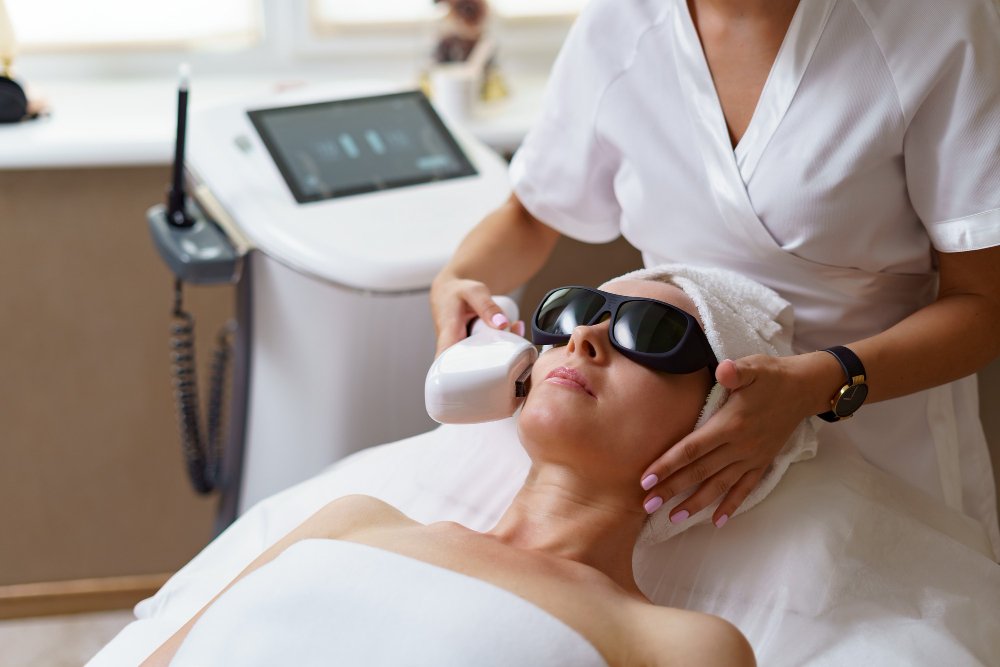
Laser hair removal uses concentrated light energy to target the pigment, known as melanin, present in hair. When the laser is directed at the skin, the pigment in the hair absorbs the light energy and converts it into heat. This heat damages the targeted hair follicle, reducing its ability to produce new hair.
The treatment works best when the hair is in the active growth phase, also called the anagen phase. Since not all hair grows at the same time, several sessions are needed to target different follicles as they enter this stage.
Here is how the process works:
1. The Laser Targets Hair Pigment
The laser emits a specific wavelength of light that is absorbed by the melanin in the hair shaft. Darker hair generally contains more pigment, which makes it easier for the laser to identify and target.
2. Light Energy Converts Into Heat
Once the pigment absorbs the light, the energy turns into heat. This heat travels towards the hair follicle, which is the structure responsible for producing hair.
3. The Hair Follicle Is Damaged
The heat damages the targeted follicle and affects its ability to produce hair. This is what gradually reduces hair growth in the treated area.
4. Treated Hair Begins to Shed
After a session, the treated hair does not always fall out immediately. It may take several days or even a few weeks for the hair to shed naturally. This is a normal part of the process.
5. Multiple Sessions Target Different Growth Cycles
Hair follicles do not all grow together. Some are actively producing hair, while others are resting or transitioning between growth stages. Repeated sessions help target follicles as they enter the active growth phase.
This is also why laser hair removal is not usually completed in a single appointment. The number of sessions required depends on the treatment area, hair density, growth cycle and individual response.
What Factors Affect How Long Laser Hair Removal Results Last?
Two people can undergo laser hair removal for the same area and still experience different results. One person may notice very little regrowth for a long time, while another may need more frequent maintenance sessions. This does not necessarily mean the treatment has failed. Several factors influence how the hair follicles respond and how long the reduction lasts.
1. Hair Colour and Thickness
Hair colour and thickness play an important role in how effectively laser energy is absorbed.
Dark hair: Dark brown and black hair generally respond well because they contain more melanin, allowing the laser to target the pigment more effectively.
Thick hair: Coarse hair often contains more pigment than fine hair, making it easier for the laser to identify.
Fine hair: Very fine hair may be more difficult to target because it contains less pigment.
Light-coloured hair: Blonde, grey, white and red hair may respond less effectively to conventional laser hair removal because they contain less of the pigment that many lasers target.
Changes in hair texture: Hair may become finer and less noticeable after several sessions, but this does not mean every follicle has been permanently disabled.
2. Skin Tone and Laser Technology
Your skin tone is another important consideration when planning laser hair removal. Different laser technologies are designed to work with different combinations of skin tones and hair colours.
Skin assessment: A professional should assess your skin tone, hair colour and sensitivity before selecting the treatment settings.
Laser wavelength: Different laser wavelengths have different levels of penetration and melanin absorption. The appropriate choice depends on your skin and hair characteristics.
Darker skin tones: Certain laser systems, including appropriately selected Nd:YAG lasers, may be used for darker skin tones because they can target hair while reducing the risk of excessive absorption by the surrounding skin.
Treatment settings: Energy levels and other settings need to be adjusted according to individual requirements. Using unsuitable settings can increase the risk of burns or pigmentation changes.
Professional supervision: Choosing the correct equipment and settings is important for both safety and treatment effectiveness.
3. The Area Being Treated
Different body areas have different hair growth patterns. Some areas may respond more consistently to laser treatment, while others may experience more regrowth due to hormonal influences.
Underarms: Underarm hair is often coarse and pigmented, which can make it suitable for laser treatment.
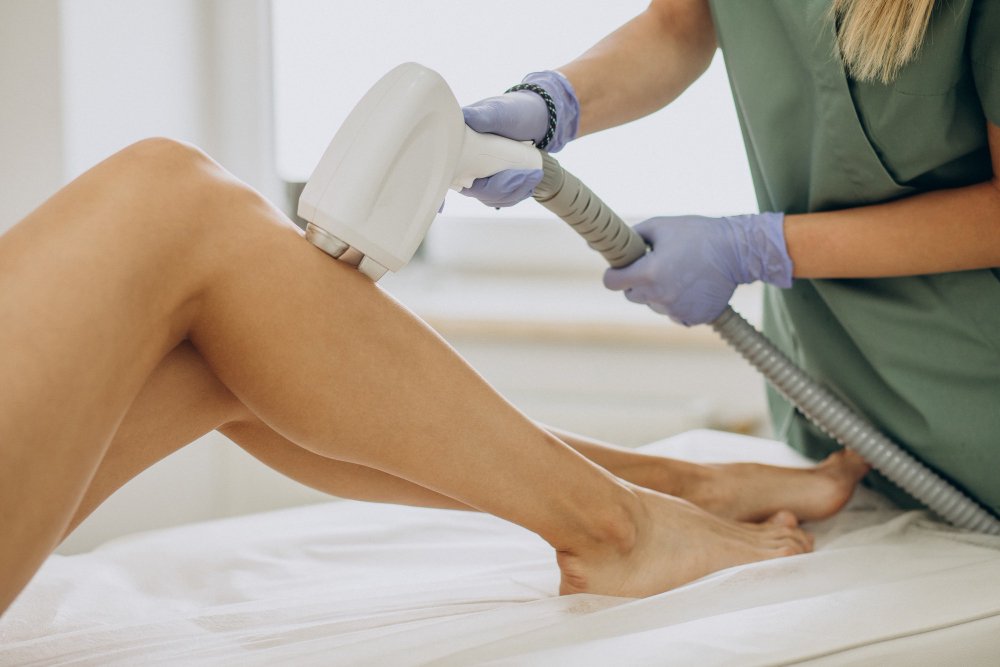
Legs: Many people experience a noticeable reduction in leg hair after completing the recommended sessions.
Arms: Hair on the arms may be finer than underarm or leg hair, so the response can vary.
Face: Facial hair can be influenced by hormones, particularly around the upper lip, chin and jawline. Some people may require ongoing maintenance.
Bikini area: Hair in the bikini area is often coarse and may respond well, although individual results and the number of sessions required can differ.
4. Hormonal Changes
Hormones influence hair growth, particularly in areas such as the face, chin, chest and abdomen. Changes in hormone levels can stimulate previously fine or inactive follicles to produce thicker hair.
Some factors that may influence regrowth include:
PCOS: Polycystic ovary syndrome can be associated with increased androgen levels, which may contribute to unwanted facial and body hair.
Pregnancy: Hormonal changes during pregnancy can affect hair growth patterns. Laser hair removal is generally postponed during pregnancy because its safety has not been adequately established.
Menopause: Changes in hormone levels during menopause may affect facial and body hair growth.
Hormonal medication: Certain medications can influence hair growth. Your treatment provider should be informed about medicines you are taking.
Other hormonal conditions: Some endocrine conditions can contribute to unexpected or excessive hair growth and may require medical assessment.
5. Consistency of Treatment Sessions
Completing sessions at suitable intervals is important because laser treatment works best when hair follicles are in the active growth phase.
Following the recommended schedule: Attending sessions at the intervals suggested by your provider helps target hair during different growth cycles.
Avoiding long gaps: Missing several appointments may delay progress and make it harder to follow the planned treatment course.
Completing the treatment course: Stopping after one or two sessions may leave many follicles untreated because they were not in the active growth phase.
Tracking hair reduction: Monitoring changes in hair density and thickness helps the provider understand how well the treatment is working.
Adjusting the schedule: Session intervals may change as hair growth becomes slower and less dense.
How Long Does Laser Hair Removal Last on Different Body Parts?
The duration of laser hair removal results can vary depending on the body area being treated. Hair thickness, growth cycles and hormonal activity are not the same across the body. This is why the results seen on your legs may not be identical to those on your face.
The following table provides a general overview of how different areas may respond.
| Treatment Area | Typical Hair Characteristics | What to Expect After Treatment |
|---|---|---|
| Underarms | Often thick, dark and coarse | Significant hair reduction is possible, with occasional regrowth that may require maintenance |
| Legs | Hair thickness and density vary | Long-lasting reduction is common, although some fine hair may return |
| Arms | Hair may be finer and lighter | Results vary depending on hair pigment and thickness |
| Upper Lip | Fine to coarse hair, often influenced by hormones | Regrowth may occur, and periodic maintenance may be needed |
| Chin | Can include coarse, hormonally influenced hair | May require additional sessions or ongoing maintenance |
| Bikini Area | Often thick and dark | Many people experience substantial reduction, although some regrowth is possible |
| Back and Chest | Hair density and thickness vary | Results depend on hair characteristics and hormonal influences |
These are general expectations, not guaranteed timelines. The number of sessions and maintenance requirements should be decided after assessing the area and your individual hair growth pattern.

How Many Laser Hair Removal Sessions Do You Need?
One of the biggest misconceptions about laser hair removal is that a single session can remove all unwanted hair. Since the treatment works on follicles during their active growth phase, several appointments are needed to achieve a noticeable and longer-lasting reduction.
The exact number of sessions depends on your hair density, skin type, treatment area and response to the laser. Many people require around 6 to 8 sessions initially, although some may need more. Facial hair and hormonally influenced areas can require additional treatment.
Here are five factors that determine the number of sessions you may need:
1. Hair Growth Cycle
Hair grows in different stages, and laser treatment is most effective during the active growth phase. Since only a portion of your hair is in this phase at any given time, repeated sessions are needed to target different follicles.
2. Treatment Area
Larger areas such as the legs or back may require more time per appointment. Smaller areas such as the upper lip may take less time to treat, but the number of sessions still depends on hair growth and individual response.
3. Hair Density
People with dense hair growth may need more sessions to achieve the desired reduction. As treatment progresses, the hair may become less dense, thinner and slower to grow.
4. Hormonal Influences
People experiencing hormonal hair growth may need additional sessions, especially around the chin, jawline and upper lip. If an underlying hormonal condition is contributing to hair growth, managing that condition may also be important.
5. Individual Response to Treatment
Not everyone's hair follicles respond at the same rate. Some people may notice a significant reduction after a few sessions, while others may need a longer treatment course.
Do You Need Maintenance Sessions After Laser Hair Removal?
Yes, some people need maintenance sessions after completing their initial laser hair removal course. These appointments help manage hair that returns over time. However, not everyone needs maintenance at the same frequency.
The need for follow-up sessions depends on your treatment area, hair growth pattern, hormonal influences and the amount of reduction achieved.
1. To manage hair that grows back: Some follicles may recover after treatment or may not have been sufficiently affected during earlier sessions. Maintenance appointments can target hair that becomes noticeable again.
2. To address new hair growth: Hormonal changes and other biological factors can activate follicles that were previously producing very little hair. This may lead to new growth even after a successful treatment course.
3. To maintain smoothness: If you prefer to keep the treated area with very little visible hair, occasional sessions may help maintain the reduction achieved during the initial course.
4. To treat specific areas that respond slowly: Some areas, particularly those influenced by hormones, may need additional attention. The chin, upper lip and jawline are examples where regrowth may be more noticeable.
5. To adjust treatment according to regrowth: Maintenance sessions should be based on actual hair growth rather than following a fixed schedule without assessment. Your provider can recommend whether another session is necessary and when it should be performed.
Why Choose Anew for Laser Hair Removal in Bangalore?
Choosing a clinic for laser hair removal involves more than looking at the treatment price or the number of sessions offered. Your skin tone, hair thickness, treatment area and individual hair growth pattern all need to be considered before starting the procedure. At Anew, individuals exploring laser hair removal in Bangalore can seek guidance on suitable treatment options based on their specific skin and hair concerns.
As a Skin Clinic in Bangalore, Anew focuses on helping clients understand the treatment process, what results they can realistically expect and why multiple sessions may be required. Whether you are considering treatment for your underarms, legs, arms, face or bikini area, understanding the right approach is an important part of planning your sessions. If you are looking for a place to begin your hair reduction journey, Anew can help you explore your options and understand the steps involved in achieving longer-lasting hair reduction.
Enjoy Longer Breaks From Unwanted Hair With the Right Treatment Plan
One of the biggest reasons people choose laser hair removal is the freedom from constantly planning their next waxing or shaving session. While the treatment cannot promise that every hair will disappear forever, it can significantly reduce hair growth and make regular grooming much less frequent. For many people, the results can last for months or even years after completing the recommended sessions. The key is understanding what the treatment can achieve and what factors may influence how long those results stay visible.
If you have been wondering how long does laser hair removal last, remember that there is no single timeline that applies to everyone. Your hair colour, thickness, skin tone, treatment area and hormonal activity all influence the outcome. Someone undergoing treatment for underarm hair may experience a different response from someone treating facial hair. This is also why a personalised treatment plan is more useful than following a session schedule based on someone else's experience.
For those exploring laser hair removal in Bangalore, choosing a suitable clinic and understanding the treatment process can make the experience more comfortable and informed. At Anew, you can explore your hair reduction options and understand what may work for your skin and hair type. As a Skin Clinic in Bangalore, Anew can be a starting point for discussing your treatment goals and planning the next steps. Rather than expecting overnight results, focus on a treatment approach that is suitable for your needs and allows you to enjoy longer-lasting hair reduction with the right professional guidance.
