

What Is the Best Treatment for Uneven Skin Tone?
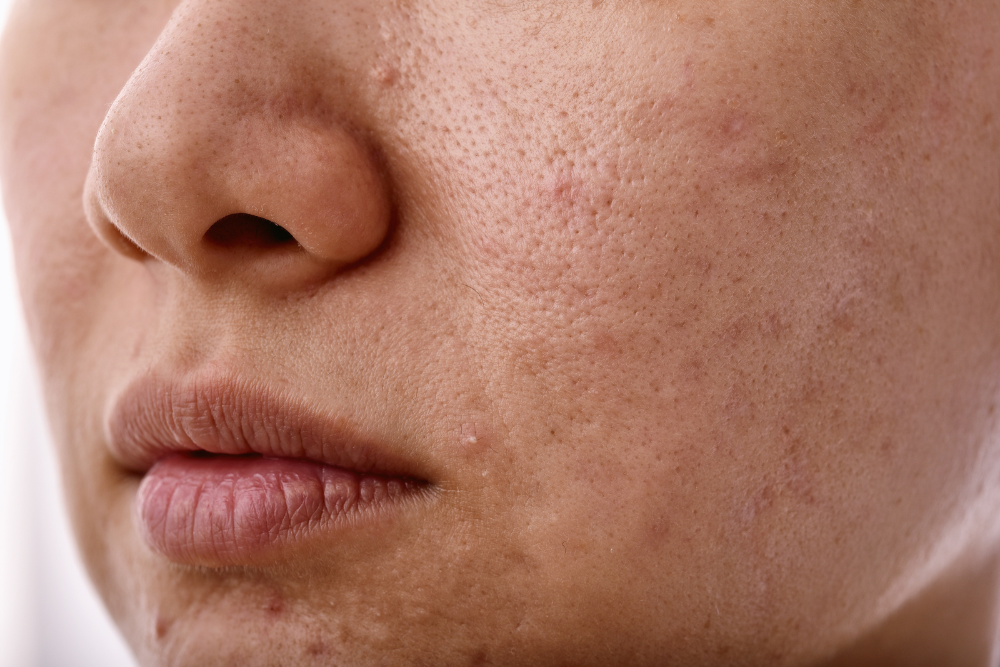
Have you ever looked in the mirror and felt like your skin cannot seem to make up its mind? Your cheeks may look darker than your forehead, there may be patches around your mouth, acne marks that refuse to fade, or areas that simply look dull compared to the rest of your face. You may have tried changing your face wash, adding a brightening serum, using home remedies, or even buying every product that promises glowing skin. Yet, the unevenness still seems to be there.
That is because uneven skin tone is not always a simple surface-level concern. It can develop due to sun exposure, acne and inflammation, pigmentation, hormonal changes, skin irritation, ageing, or even the wrong skincare products. In some cases, multiple factors can be involved at the same time. This is why finding the right solution can feel confusing. One person may see improvement with a skincare routine, while another may require professional treatments to address deeper pigmentation or long-standing skin concerns.
So, what is the best treatment for uneven skin tone? The honest answer is that there is no single treatment that works for everyone. The best approach depends on why your skin tone has become uneven, how deep the pigmentation is, your skin type, and the overall condition of your skin. What works beautifully for someone else may not necessarily be the right option for you.
From chemical peels and laser treatments to advanced facials and customised skincare, there are several options available today. The key is not choosing the strongest treatment. It is choosing the right one. In this blog, let us understand what causes uneven skin tone, the treatments that can help, and how you can choose the best approach for healthier, clearer, and more even-looking skin.
What Exactly Is Uneven Skin Tone?
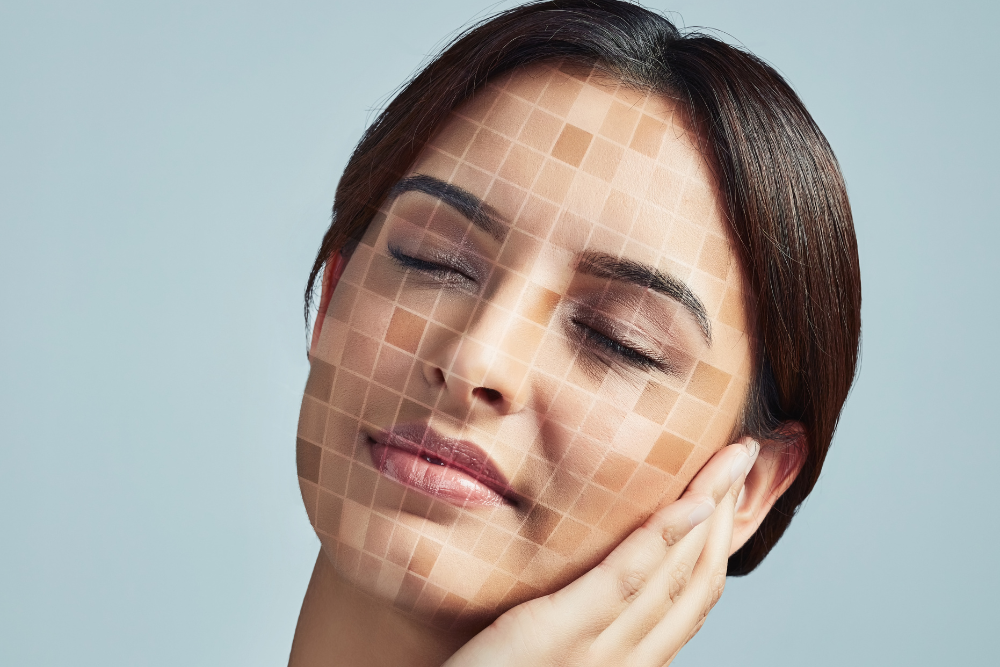
Uneven skin tone refers to variations in the colour and appearance of the skin. Instead of having a relatively consistent complexion, certain areas may appear darker, duller, redder, or more pigmented than others.
This concern can look different from person to person. For some, it may be a few stubborn acne marks. For others, it may involve sunspots, tanning, melasma, or widespread pigmentation. Understanding what you are dealing with is the first step towards finding the right treatment.
1. Dark Spots: Dark spots are small areas of increased pigmentation that may develop due to sun exposure, ageing, acne, or previous skin inflammation. They can make the skin appear patchy even when the rest of the complexion looks clear.
2. Post-Acne Marks: Acne can leave behind dark marks even after the active pimples have healed. These marks can remain visible for weeks or months, depending on the skin and the severity of the inflammation.
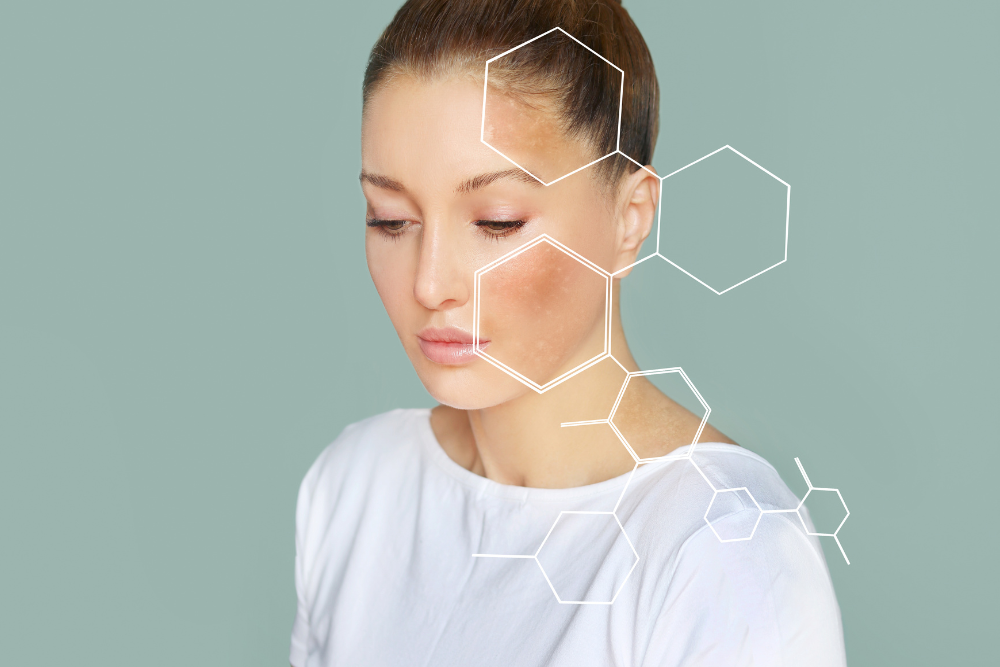
3. Melasma: Melasma usually appears as larger patches of brown or greyish pigmentation, commonly on the cheeks, forehead, upper lip, and other areas of the face. Hormonal changes and sun exposure can often contribute to its development.
4. Sun-Induced Pigmentation: Regular exposure to sunlight without adequate protection can trigger excess melanin production. Over time, this may lead to tanning, dark spots, and an overall uneven appearance.
5. Dull and Patchy Skin: Sometimes, the skin may not have obvious dark spots but can still appear uneven due to dryness, dead skin cell buildup, dehydration, or changes in skin texture.
The appearance may be similar, but the cause can be different. This is why simply choosing a product labelled as a brightening product may not always solve the concern.
What Causes Uneven Skin Tone?
Uneven skin tone usually develops gradually. In many cases, it is the result of everyday habits combined with changes happening within the skin. Here are some of the most common reasons.
1. Sun Exposure and UV Damage
Sun exposure is one of the biggest contributors to pigmentation. When the skin is exposed to ultraviolet rays, it produces melanin as a protective response. While melanin helps protect the skin, excessive production can lead to tanning and darker patches.
2. Acne and Skin Inflammation
When acne heals, the inflammation can leave behind pigmentation. Picking, squeezing, or repeatedly touching acne can increase inflammation and make the marks more noticeable.
3. Hormonal Changes
Hormonal fluctuations can influence melanin production and trigger pigmentation concerns such as melasma. Pregnancy, hormonal medications, and other hormonal changes may sometimes contribute to uneven pigmentation.
4. Using the Wrong Skincare Products
Not every skincare product is suitable for every skin type. Strong exfoliants, unnecessary layering of active ingredients, or products that irritate the skin can weaken the skin barrier.
5. Ageing and Environmental Exposure
As the skin ages, cell turnover can slow down, and years of accumulated sun exposure may become more visible. Pollution and environmental stress can also affect the overall appearance of the skin.
6. Skin Conditions and Sensitivity
Certain skin conditions can cause redness, inflammation, or changes in pigmentation. Sensitive skin may also react more easily to unsuitable products, making the skin tone appear inconsistent.
For this reason, it is important to understand the cause before choosing a treatment.
What Is the Best Treatment for Uneven Skin Tone? It Depends on Your Skin
If you are searching online for what is the best treatment for uneven skin tone, you will probably come across dozens of products and procedures. Some promise instant brightness, while others claim to remove pigmentation completely. The reality is a little more complicated.
The best treatment depends on several important factors.
- The Cause of the Uneven Skin Tone: Acne marks, melasma, tanning, and sunspots do not always respond to the same treatment. A treatment plan should first address what is causing the pigmentation.
- The Depth of the Pigmentation: Some pigmentation is superficial and may respond well to topical skincare or mild exfoliation. Deeper pigmentation may require more advanced procedures.
- Your Skin Type: Different skin types respond differently to treatments. This is particularly important when considering chemical peels, lasers, and other procedures.
- The Sensitivity of Your Skin: If your skin is easily irritated, aggressive treatments may do more harm than good. The treatment should improve the skin without causing unnecessary inflammation.
- Your Existing Skincare Routine: Professional treatments often work best when supported by the right skincare routine. Continuing to use irritating products or skipping sunscreen can affect the results.
Professional Treatments That Can Help Improve Uneven Skin Tone
There are several professional treatments available for pigmentation and uneven skin tone. Depending on your concerns, a dermatologist or aesthetic professional may recommend one treatment or a combination of treatments.
| Treatment Option | How It Helps | Best Suited For |
|---|---|---|
| Chemical Peels | Exfoliate the upper layers of the skin and encourage skin cell renewal, helping improve dullness and the appearance of mild pigmentation. | Mild pigmentation, acne marks and dull skin |
| Laser Treatments | Target specific areas of pigmentation and help improve the appearance of dark spots and uneven skin tone. | Sunspots, pigmentation and selected dark patches |
| Advanced Skin Treatments | Use customised procedures to improve overall skin appearance, radiance and skin texture based on individual concerns. | Dull, uneven and tired-looking skin |
| Microneedling | Supports the skin's natural repair process and collagen production, which can help improve acne marks and uneven skin texture. | Acne marks, uneven texture and certain pigmentation concerns |
| Hydrating and Brightening Treatments | Focus on improving hydration and refreshing the skin, helping it look healthier and more radiant. | Dehydrated, dull and tired-looking skin |
| Medical Skincare | Uses suitable skincare ingredients to support skin renewal, manage pigmentation and maintain treatment results. | Mild to moderate pigmentation and long-term maintenance |
Chemical Peels for Surface Pigmentation
- Chemical peels are commonly used to improve dullness, pigmentation, and post-acne marks.
- They work by using specific solutions to exfoliate the skin and encourage the shedding of damaged surface cells.
- The strength and type of peel can vary depending on the individual's skin concern.
- A mild peel may be suitable for someone dealing with dullness, while a different formulation may be recommended for pigmentation or acne marks.
- The advantage of professional chemical peels is that they can be selected based on the skin's condition rather than using a one-size-fits-all approach.
Laser Treatments for Targeted Pigmentation
- Laser technology can be used to target specific pigmentation concerns.
- Depending on the technology and treatment plan, lasers may help address dark spots and uneven pigmentation.
- However, laser treatments should not be chosen simply because they are popular.
- The skin type, pigmentation concern, and depth of the pigmentation need to be assessed carefully.
- For people considering laser procedures, consulting an experienced Aesthetic Clinic in Bangalore can help determine whether laser treatment is appropriate and what kind of approach may be suitable.
Medical-Grade Skincare
Professional skincare may include ingredients that help regulate pigmentation, improve skin cell turnover, and support the skin barrier.
A customised routine may include products that focus on:
- Reducing excess pigmentation
- Supporting healthy skin renewal
- Improving hydration
- Preventing further sun damage
- Protecting the skin barrier
Consistency is important here. Skincare usually does not transform the skin overnight, but the right products used regularly can support long-term improvement.
Microneedling for Skin Renewal
- Microneedling involves creating controlled micro-injuries in the skin to support the skin's natural repair process.
- It may be considered for concerns such as acne marks and uneven texture.
- As the skin renews itself, the overall texture and appearance may gradually improve.
- It is often used as part of a personalised treatment plan rather than as a standalone solution for every pigmentation concern.
Combination Treatments
- Sometimes, the best results come from combining treatments.
- For example, a professional may recommend a treatment procedure along with a targeted skincare routine and strict sun protection.
- A combination approach can be useful because uneven skin tone often has more than one contributing factor.
How Different Treatments Work for Different Uneven Skin Tone Concerns
Not every form of pigmentation needs the same solution. Here is a closer look at how the approach can differ.
If You Have Acne Marks: The focus may be on reducing inflammation, preventing new breakouts, and gradually improving the appearance of the marks. Depending on the skin, options such as chemical peels, microneedling, and suitable skincare may be considered.
If You Have Sunspots: Sunspots may require treatments that specifically target pigmentation. Professional procedures such as selected laser treatments or peels may be recommended depending on the skin and the severity of the concern.
If You Have Melasma: Melasma can be more challenging because it is often influenced by hormones and sun exposure. Treatment may involve a combination of pigmentation-focused skincare, professional procedures, and consistent sun protection.
If Your Skin Looks Dull and Uneven: Dullness may be related to dehydration, dead skin buildup, lifestyle factors, or an inconsistent skincare routine. Professional exfoliation, hydrating treatments, and barrier-supporting skincare may help improve the appearance of the skin.
If You Have Multiple Concerns: You may have acne marks, tanning, and dullness at the same time. In such cases, treating only one concern may not give you the result you are looking for.
Why Anew Can Be Your Choice for Uneven Skin Tone Treatment
When you are trying to understand what is the best treatment for uneven skin tone, having access to personalised care can make the decision much easier. At Anew, the focus is not simply on choosing a popular treatment. The approach begins with understanding your individual skin concern, the possible causes behind it, and the most suitable way to address it.
As an Aesthetic Clinic in Bangalore, Anew offers a range of aesthetic solutions that can be considered based on your skin's specific needs. Whether you are dealing with acne marks, pigmentation, dullness, tanning, or an uneven complexion, the right approach starts with a proper assessment. Instead of treating every skin concern in the same way, a personalised plan can help you choose treatments and skincare that work towards improving your overall skin appearance. The goal is to help you make informed decisions about your skin and choose solutions that are appropriate for your concerns.
The Right Treatment Starts With Understanding Your Skin
Uneven skin tone can be frustrating because it often feels like one of those concerns that keeps changing. You may finally see your acne marks fade, only to notice new pigmentation after a holiday. You may buy a brightening serum that works well for a few weeks but does not seem to make a difference to stubborn dark patches. You may also find yourself constantly searching for the next product, treatment, or home remedy that promises clear and glowing skin.
But treating uneven skin tone does not have to be a guessing game.
So, what is the best treatment for uneven skin tone? It is the one that is chosen after understanding your individual skin concern. For some people, this may mean improving their skincare routine and becoming more consistent with sunscreen. For others, it may involve professional chemical peels, laser treatments, microneedling, or a combination of procedures designed around their specific needs.
The goal should not be to chase unrealistic perfection or expect your skin to look completely transformed overnight. Healthy skin takes consistency, patience, and the right care. Small, steady improvements can make a meaningful difference to how your skin looks and feels over time.
If you are tired of trying random products and still wondering what is the best treatment for uneven skin tone, a professional consultation can help bring clarity to your choices. Visiting an Aesthetic Clinic in Bangalore allows you to understand your skin better and explore treatments that are suitable for your concerns rather than relying on trial and error.
