

What Is the Difference Between Pigmentation and Melasma?
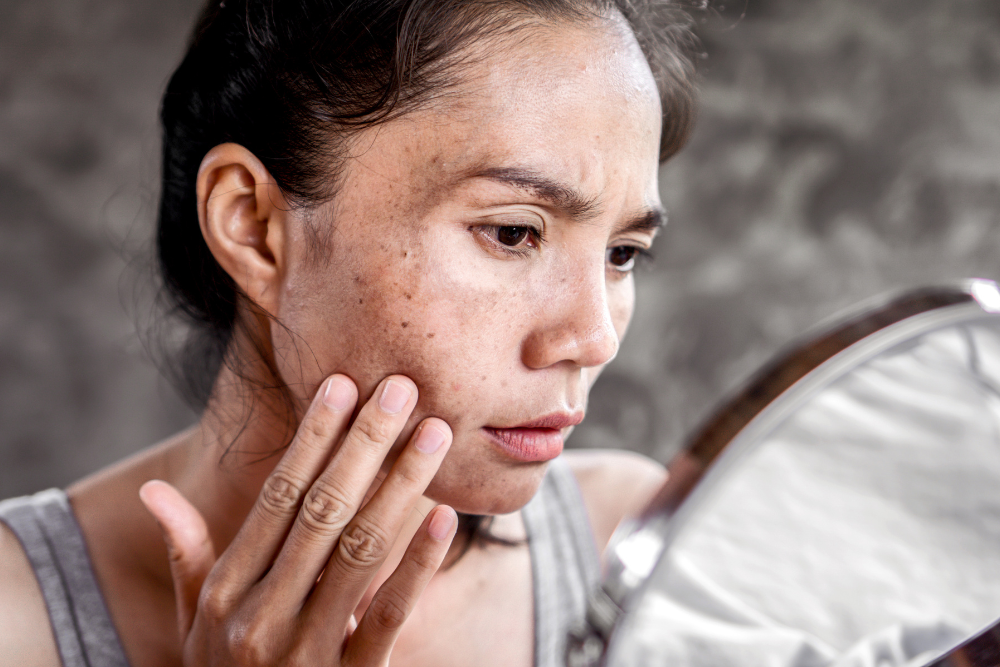
You notice a few dark patches on your face. Maybe they appeared after spending more time outdoors. Maybe they became more noticeable after acne, hormonal changes, or simply over time. You search for pigmentation treatments, only to come across another term repeatedly: melasma. Soon, you are left wondering whether the two are actually the same thing.
They are not.
Pigmentation is a broad term used to describe changes in skin colour, particularly areas that appear darker than the surrounding skin. Melasma is a specific pigmentation condition that usually appears as larger, uneven patches on areas such as the cheeks, forehead, nose and upper lip. While both can make the skin look uneven, their causes, patterns and treatment approaches can be different.
So, what is the difference between pigmentation and melasma? The simplest way to understand it is that pigmentation is a general description of excess or uneven colour in the skin, while melasma is a particular condition that causes persistent patches of brown, greyish-brown or darker pigmentation.
In this blog, we will break down the difference between pigmentation and melasma, what causes them, how they look, what can make them worse, and how treatment may differ. We will also look at when it makes sense to consult a dermatologist and what you should consider before choosing a treatment.
What Is Pigmentation?
Pigmentation refers to the colour of your skin, which is mainly influenced by a pigment called melanin. Melanin is produced by specialised cells called melanocytes and helps give your skin its natural colour while also providing some protection from ultraviolet radiation.
When the skin produces more melanin in a particular area, that area can become darker than the surrounding skin. This is commonly referred to as hyperpigmentation.
The important thing to remember is that pigmentation is not one single skin condition. It can happen for several different reasons.
1. Pigmentation can develop after acne
One of the most common forms of pigmentation is post-inflammatory hyperpigmentation. If you have had acne, insect bites, rashes, burns or other skin inflammation, the affected area can sometimes remain darker even after the original problem has healed. This is especially common when the skin is prone to pigmentation.
2. Sun exposure can increase pigmentation
UV exposure can stimulate melanin production. This is why existing dark spots may become more noticeable after spending time in the sun without adequate protection. Repeated sun exposure can also make it harder for pigmentation to fade.
3. Hormonal changes can influence pigmentation
Hormonal fluctuations can stimulate pigment-producing cells in some people. Pregnancy, certain medications and hormonal changes may contribute to pigmentation concerns. Hormones are particularly important when discussing melasma.
4. Skin irritation can leave dark marks
Using harsh skincare products, over-exfoliating or repeatedly irritating the skin can trigger inflammation. Once that inflammation settles, darker marks may remain. This is one reason why constantly trying new products can sometimes make pigmentation more difficult to manage.
5. Pigmentation can have different appearances
Pigmentation may appear as small spots, larger patches, marks left behind by acne, uneven areas or general darkening of certain parts of the face. The appearance often provides useful clues about what may be causing it, but a proper skin assessment is needed before deciding on treatment.
What Is Melasma?
Melasma is a common pigmentation condition that causes darker patches, usually on areas of the face that receive frequent sun exposure.
It is often seen on the cheeks, forehead, nose, upper lip and chin. In some people, the patches appear symmetrically on both sides of the face.
Melasma can be frustrating because it may improve with treatment but can also return, especially when triggers such as sunlight and hormonal changes continue.
Common characteristics of melasma include:
1. It often appears in patches: Melasma generally does not look like a single isolated dark spot. It commonly appears as larger, uneven patches of brown or greyish-brown pigmentation.
2. It often affects both sides of the face: A symmetrical pattern is common. For example, pigmentation may appear on both cheeks or across both sides of the forehead.
3. Sun exposure can make it more noticeable: UV radiation can stimulate melanin production and contribute to worsening melasma. Even when the pigmentation appears controlled, regular sun exposure may encourage it to return.
4. Hormones can play a role: Melasma is sometimes associated with pregnancy and other hormonal changes. This is one reason it is often referred to as the "mask of pregnancy" when it develops during pregnancy.
5. It can be persistent: Melasma is not always something that disappears on its own. It may require consistent skincare, sun protection and professionally guided treatment to manage its appearance.
6. It can affect different skin depths: Melasma can involve pigment closer to the surface of the skin or deeper within the skin. This can influence how the pigmentation looks and how it responds to treatment.
What Is the Difference Between Pigmentation and Melasma?
Now we come to the question that causes most confusion: what is the difference between pigmentation and melasma?
Here are five important differences:
1. Meaning: Pigmentation describes changes in skin colour or areas of increased pigmentation. Melasma refers to a specific condition involving patchy facial pigmentation.
2. Appearance: General pigmentation can appear as individual spots, marks or uneven areas. Melasma more commonly appears as larger, irregular patches.
3. Location: Pigmentation can occur anywhere on the body. Melasma most commonly affects the face, particularly the cheeks, forehead, nose and upper lip.
4. Causes: Pigmentation can result from acne, inflammation, sun exposure, skin irritation, injury and several other factors. Melasma is often associated with a combination of hormonal influences, sun exposure and individual susceptibility.
5. Recurrence: Some forms of pigmentation may gradually fade once the original trigger is addressed. Melasma can be more persistent and may return when triggers are not adequately controlled.
So, if you have been asking, "what is the difference between pigmentation and melasma?", the answer is not simply that one is lighter or darker than the other. The difference lies in the underlying condition, pattern, triggers and behaviour of the pigmentation.
Pigmentation vs Melasma: A Simple Comparison
| Factor | Pigmentation | Melasma |
|---|---|---|
| What it means | A broad term for uneven or increased skin colour | A specific pigmentation condition |
| Common appearance | Spots, marks, patches or uneven skin tone | Larger, irregular brown or greyish-brown patches |
| Common causes | Acne, inflammation, sun exposure, irritation and skin injury | Hormonal influences, sun exposure and individual susceptibility |
| Common locations | Can occur anywhere on the skin | Mainly cheeks, forehead, nose, upper lip and chin |
| Pattern | Can be isolated or scattered | Often appears symmetrically on both sides of the face |
| Persistence | Depends on the underlying cause | Can be persistent and may recur |
| Treatment | Depends on the type and underlying cause | Often requires a long-term management approach |
| Sun protection | Important to prevent worsening | Particularly important for managing recurrence |
This comparison explains why two people with "dark patches" may need completely different approaches.
What Causes Pigmentation and Melasma?
There is rarely one universal reason behind pigmentation. Your skin can respond to several internal and external factors at the same time.
1. Sun exposure
- Sunlight is one of the biggest factors behind many pigmentation concerns.
- UV exposure can stimulate melanocytes, leading to increased melanin production.
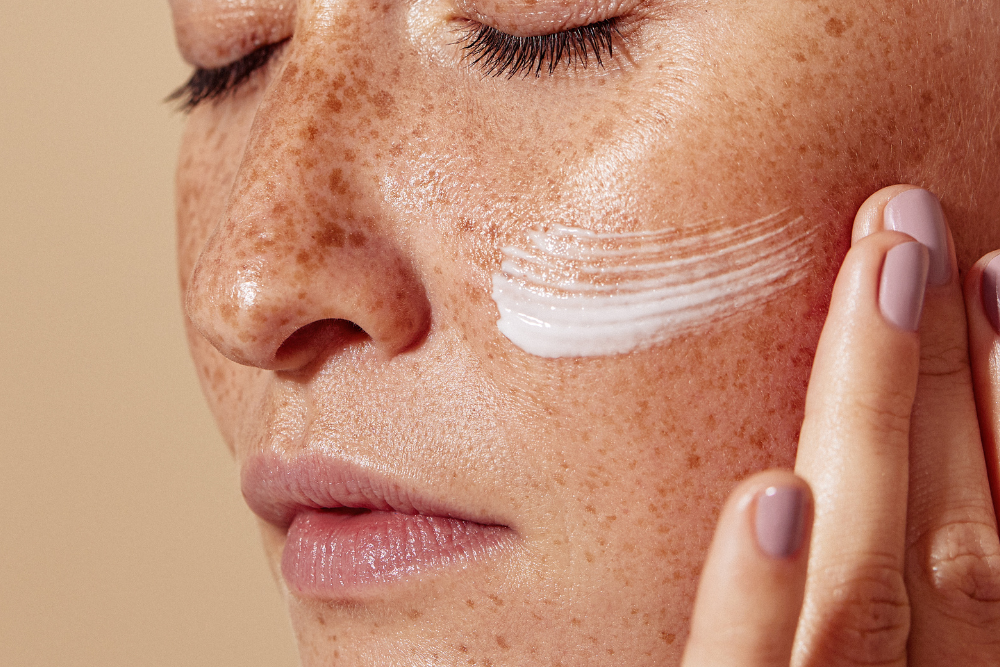
- If you already have pigmentation or melasma, regular sun exposure can make the condition more visible and may contribute to recurrence.
- This is why sunscreen is not simply an additional skincare step when dealing with pigmentation.
2. Hormonal changes
- Hormones can influence melanin production, particularly in people prone to melasma.
- Pregnancy, hormonal contraceptives and other hormonal changes may be associated with melasma in some individuals.
- However, not everyone experiencing hormonal changes develops it.
3. Acne and inflammation
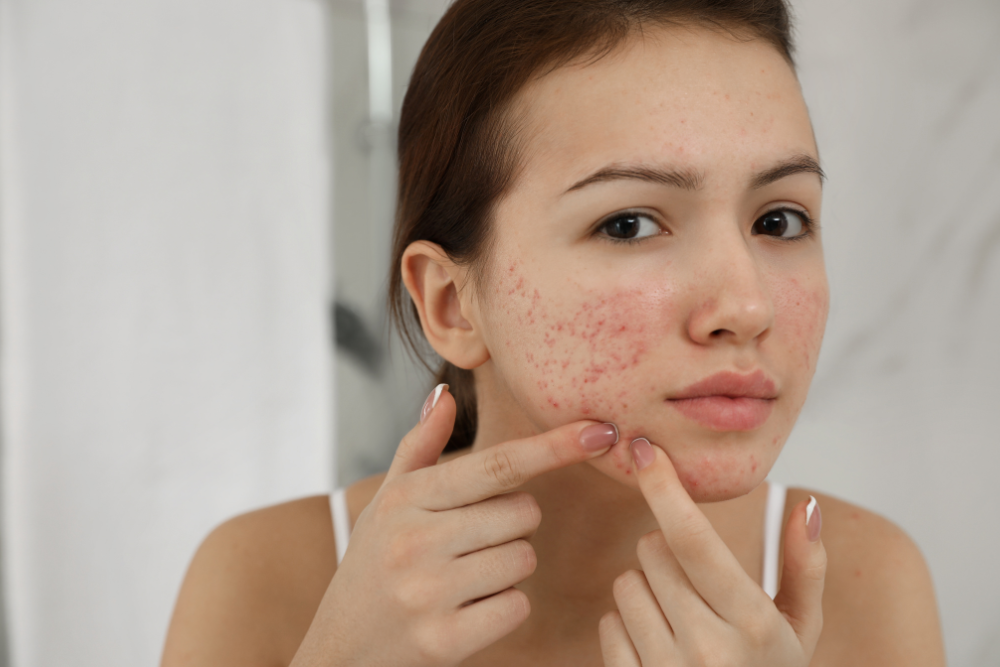
- A pimple may disappear within days, but the dark mark it leaves behind can remain for weeks or months.
- Inflammation can trigger increased melanin production, resulting in post-inflammatory hyperpigmentation.
- Picking or squeezing acne can also increase inflammation and the likelihood of lingering marks.
4. Skin irritation
- Overusing exfoliating acids, scrubs or active ingredients can compromise the skin barrier and cause irritation.
- If the skin repeatedly becomes inflamed, pigmentation can become more noticeable.
- This is why stronger products are not automatically better when treating pigmentation.
5. Genetics and skin type
- Some people naturally have a greater tendency to develop pigmentation.
- Your skin type, genetics and how your skin responds to inflammation can influence how easily pigmentation develops and how long it takes to fade.
6. Certain medications or underlying factors
- Some medications and medical conditions can contribute to changes in skin pigmentation.
- If pigmentation appears suddenly, spreads rapidly or is accompanied by other unusual symptoms, it is better to seek professional evaluation instead of assuming that it is ordinary pigmentation.
How Can You Tell If It Is Melasma or Another Type of Pigmentation?
Looking at pigmentation in a mirror can give you an idea of what is happening, but it cannot always tell you exactly what the condition is.
Several pigmentation conditions can look similar, particularly in their early stages.
Pay attention to these five factors:
1. Where the pigmentation appears: Melasma often affects the cheeks, forehead, nose and upper lip. A single dark mark in an area where you previously had acne may be more consistent with post-inflammatory pigmentation.
2. Whether it appears on both sides: Symmetrical pigmentation on both cheeks is commonly associated with melasma, although symmetry alone does not confirm the diagnosis.
3. Whether you have a history of acne: If dark marks developed after pimples or breakouts, post-inflammatory pigmentation may be involved.
4. Whether sunlight makes it worse: If your pigmentation becomes noticeably darker after spending time outdoors, sun exposure may be contributing to the problem.
5. Whether it keeps returning: Pigmentation that repeatedly returns despite temporary improvement may need a more detailed assessment, particularly if melasma is suspected.
This is where visiting a Skin Clinic in Bangalore can be useful. A dermatologist can assess the pigmentation rather than treating every dark patch in the same way.
Pigmentation and Melasma Treatment: Why the Approach Is Not the Same
There is no single treatment that works for every pigmentation concern. The right approach depends on the type of pigmentation, its depth, your skin type, the underlying trigger and whether the pigmentation is likely to recur.
Common approaches may include:
1. Prescription or dermatologist-recommended topical treatments
Depending on the condition, dermatologists may recommend ingredients that help regulate pigmentation and encourage a more even skin tone. These should ideally be selected according to your skin type and diagnosis rather than chosen randomly.
2. Chemical peels
Chemical peels use selected ingredients to exfoliate the skin and encourage skin renewal. They may be considered for certain types of pigmentation and uneven skin tone. The type and strength of peel need to be chosen carefully, particularly for pigmentation-prone skin.
3. Laser and light-based treatments
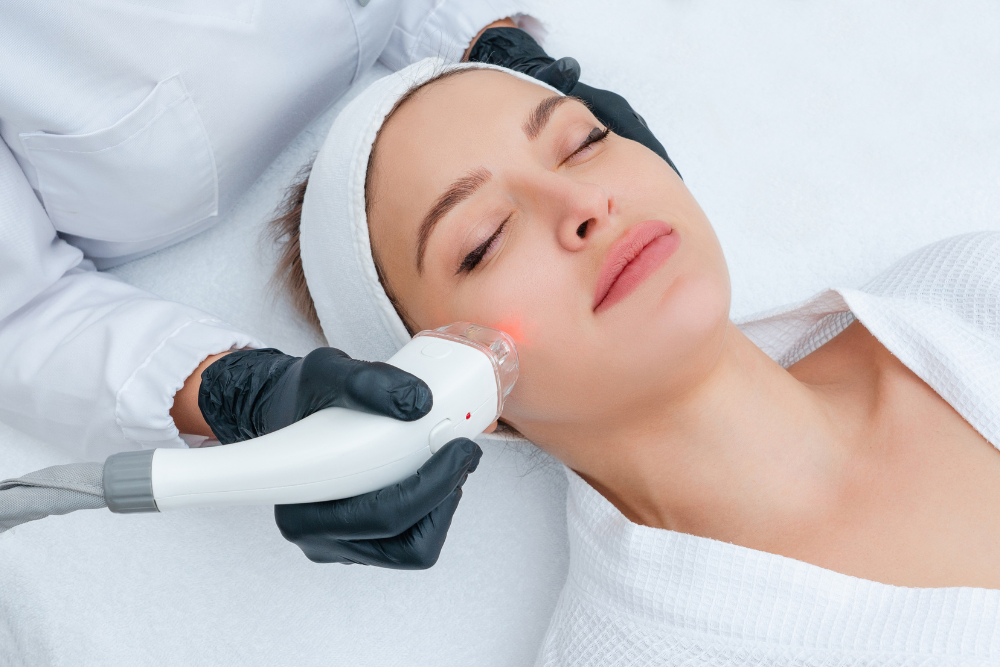
Certain laser or light-based procedures may be considered for selected pigmentation concerns. However, they are not automatically suitable for everyone. The wrong treatment or settings can potentially aggravate pigmentation, so professional assessment is important.
4. Microneedling and combination approaches
In some cases, dermatologists may consider procedures such as microneedling or combination treatments depending on the patient's skin and concern. The goal is not simply to remove pigment quickly but to improve the skin while minimising the risk of further pigmentation.
5. Consistent sun protection
Sun protection is important for both general pigmentation and melasma. Without adequate protection, treatment results may be harder to maintain because UV exposure can continue stimulating pigment production.
Why Choose Anew for Pigmentation and Melasma Treatment?
When you are looking for pigmentation treatment , choosing the right clinic matters because pigmentation is not something that should be treated with a one-size-fits-all approach. Anew is positioned as a Best Skin & Aesthetic Clinic in Bangalore, offering a professional setting for people seeking solutions for pigmentation, melasma and other skin concerns.
The focus is on understanding the skin concern before deciding on a treatment, rather than simply recommending a procedure because it is popular. For someone dealing with recurring pigmentation, uneven skin tone or melasma, this personalised approach can make the treatment journey more structured. Anew also brings skin and aesthetic treatments together, allowing concerns to be assessed from both a dermatological and aesthetic perspective.
If you are considering pigmentation or melasma treatment, consulting a qualified professional at a Skin Clinic in Bangalore can help you understand your condition, available options and what may be realistic for your skin.
Pigmentation or Melasma? Know What Your Skin Needs
Dark patches on your skin can look similar at first glance, but the reason behind them may be completely different. That is why understanding what you are actually dealing with is more useful than immediately reaching for the strongest pigmentation cream or booking the latest trending procedure.
So, what is the difference between pigmentation and melasma? Pigmentation is a broad term used for uneven or increased skin colour, while melasma is a specific condition that commonly causes larger, patchy pigmentation on the face. Pigmentation may develop after acne, inflammation, irritation or sun exposure, while melasma is often linked to a combination of factors such as hormonal influences, sunlight and individual susceptibility.
If you have been searching "what is the difference between pigmentation and melasma", the next step should not necessarily be buying another product. Start by understanding your skin. Look at when the pigmentation appeared, where it occurs, whether it changes with sun exposure and whether you have a history of acne, hormonal changes or skin irritation.
If you are considering pigmentation or melasma treatment , a consultation at a Skin Clinic in Bangalore can help you move from guessing to a more structured treatment plan. With the right diagnosis, realistic expectations and consistent skincare, pigmentation can be managed more thoughtfully instead of constantly being treated as just another dark spot.
