

Which Treatment Is Best for Enlarged Pores and Oily Skin?
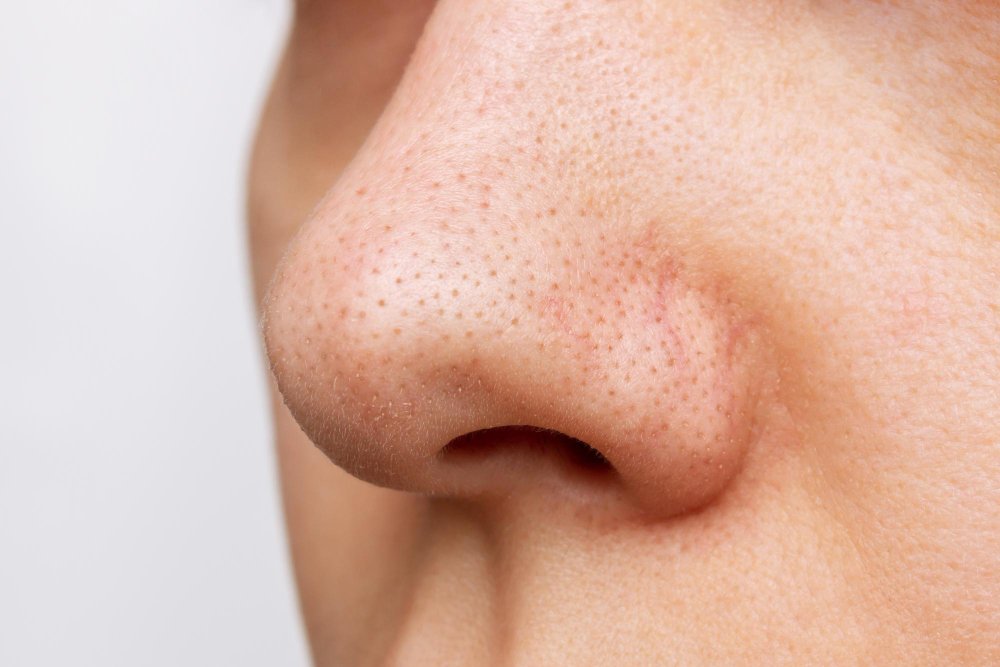
Does your skin start looking shiny just a few hours after washing your face? Do you notice that your pores appear more visible, especially around your nose, forehead, and cheeks? If you have oily skin, these concerns may sound familiar. You might have tried different face washes, oil-control moisturisers, pore-minimising serums, and even home remedies, only to find that the results do not last very long. The reason is that enlarged pores and excess oil production are often connected, and managing both requires more than simply washing your face frequently.
So, which treatment is best for enlarged pores and oily skin? The answer depends on what is causing your pores to appear more prominent, how much oil your skin produces, and whether you also have concerns such as acne, blackheads, uneven texture, or pigmentation. Treatments such as chemical peels, laser procedures, microneedling, and certain medical skincare options may help improve the appearance of pores and manage oiliness. However, not every treatment is suitable for every skin type.
In this blog, we will look at why enlarged pores and oily skin occur together, the treatments that may help, how different procedures compare, and what you can do at home to maintain your results. We will also discuss how to choose the right treatment plan and why Anew is the best Skin Clinic in Bangalore.
The goal is not to make your skin completely poreless. It is to help you manage excess oil, improve texture, and achieve skin that feels healthier and more balanced.
Why Do You Have Enlarged Pores and Oily Skin?
Before choosing a treatment, it helps to understand why your skin produces excess oil and why your pores may look larger than usual. Sebum is the natural oil produced by sebaceous glands. It helps protect and moisturise your skin, but when your skin produces too much of it, the surface can look greasy and pores may become more noticeable.
Enlarged pores and oily skin can occur together for several reasons.
1. Excess sebum production: Your sebaceous glands produce sebum to keep your skin moisturised. However, when these glands are overactive, excess oil can collect on the skin's surface and inside the pores. This can make pores appear wider, particularly around the nose, forehead, and cheeks. People with naturally oily skin may notice this throughout the day, even after cleansing.
2. Genetics and natural skin type: Your skin type is partly influenced by genetics. If your parents have oily skin or naturally visible pores, you may have similar characteristics. Some people naturally have larger pores because of their skin structure and sebaceous gland activity. While skincare and professional treatments can improve their appearance, they cannot completely change your genetic skin type.
3. Dead skin cell build-up: Your skin naturally sheds dead cells, but sometimes these cells mix with excess oil and collect around the opening of the pores. This can make pores look more prominent and contribute to blackheads and whiteheads. Regular, appropriate exfoliation may help remove this build-up and improve skin texture.
4. Acne and clogged pores: When excess oil, dead skin cells, and bacteria contribute to blocked pores, acne may develop. Blackheads are particularly noticeable because the material inside an open pore reacts with air and becomes darker. Repeated breakouts and inflammation can also affect the surrounding skin, making pores appear more visible.
5. Reduced skin elasticity: As you age, your skin gradually loses collagen and elastin, which help maintain its firmness and structure. When the surrounding skin becomes less firm, pores may appear more stretched or prominent. Sun exposure can contribute to collagen damage and make this concern more noticeable over time.
6. Sun exposure: Regular exposure to ultraviolet radiation can damage collagen and affect the skin's overall texture. As the skin loses some of its firmness, pores may become more visible. Sun exposure can also worsen pigmentation and uneven skin tone, which may make the skin appear less smooth.
Which Treatment Is Best for Enlarged Pores and Oily Skin?
There is no single treatment that works best for everyone. The right option depends on whether your main concern is excess oil, clogged pores, acne, uneven texture, or reduced skin firmness. A dermatologist may recommend one treatment or a combination of treatments depending on your skin's condition.
Here are six professional treatment options that may help.
1. Chemical Peels
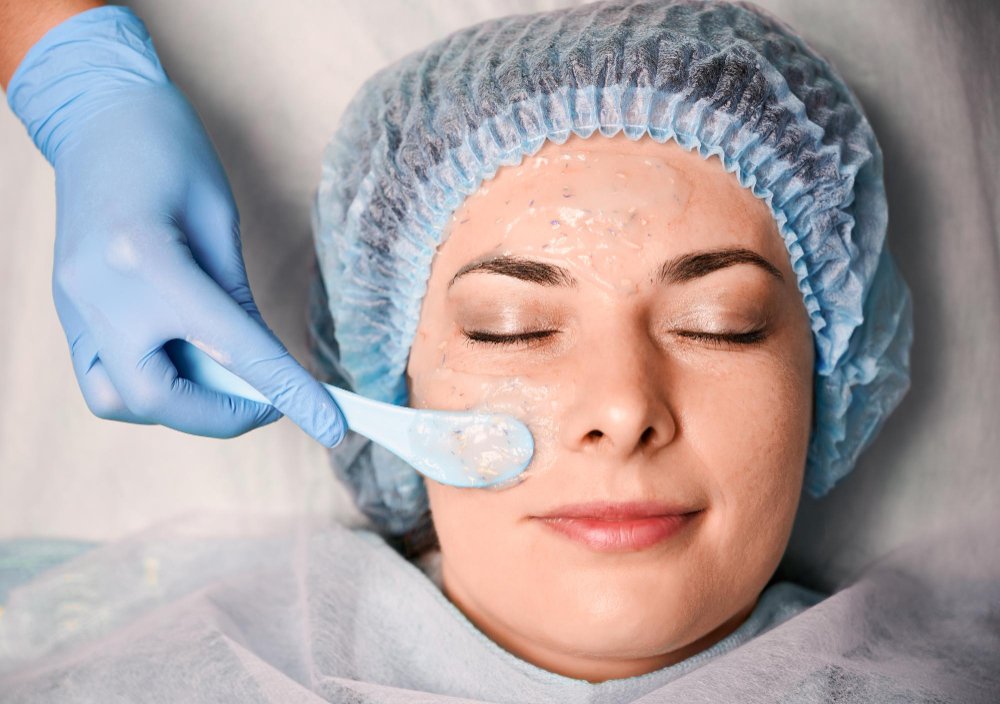
Chemical peels are commonly used to improve skin texture, manage clogged pores, and reduce the appearance of certain types of acne. During the procedure, a chemical solution is applied to the skin to exfoliate the outer layers. This helps remove accumulated dead skin cells and encourages the skin to renew itself.
For oily skin and visible pores, a dermatologist may recommend a peel containing salicylic acid, glycolic acid, or another suitable exfoliating ingredient.
How chemical peels may help:
Remove dead skin cells: Exfoliating acids help loosen and remove dead cells that may collect around pore openings. This can make the skin feel smoother and reduce the appearance of congestion.
Help manage excess oil: Salicylic acid is oil-soluble, which allows it to work inside oil-filled pores. It may help reduce blockages and improve the appearance of blackheads.
Improve acne-prone skin: Certain peels may help manage comedonal acne, which includes blackheads and whiteheads. They may also be used as part of a broader acne management plan.
Improve uneven texture: By encouraging exfoliation, chemical peels can help improve roughness and some superficial irregularities.
Support a clearer-looking complexion: Regularly planned treatments may help reduce the build-up that makes oily skin look congested.
The strength and type of peel should be selected according to your skin type, sensitivity, and concerns. Stronger peels are not automatically better. They can cause irritation, burns, or pigmentation if used inappropriately, particularly on skin that is prone to post-inflammatory hyperpigmentation.
2. Laser Skin Treatments
Laser treatments use concentrated light energy to target specific skin concerns. Depending on the device and settings, they may help improve skin texture, stimulate collagen production, and address certain signs of sun damage.
Some laser procedures are used for skin resurfacing, while others target different concerns. The suitability of a particular laser depends on your skin tone, sensitivity, pore appearance, and treatment goals.
How laser treatments may help:
Improve skin texture: Certain resurfacing lasers remove or heat selected layers of skin, encouraging renewal and improving uneven texture.
Support collagen production: Some laser procedures stimulate collagen remodelling. Over time, improved skin support may make pores appear less prominent.
Address sun-related changes: Depending on the laser, treatment may help improve selected signs of sun damage that contribute to uneven skin appearance.
Improve the appearance of acne marks: Certain resurfacing treatments may help with specific types of superficial acne scarring and textural irregularities.
Offer targeted treatment: Different laser technologies address different concerns, allowing a dermatologist to select an approach based on your skin assessment.
It is important to understand that laser treatment does not directly switch off oil production or permanently close pores. Its main benefit may be improving texture and skin firmness. Some laser procedures also carry a risk of burns, irritation, and pigmentation, so choosing the right device and settings is particularly important for Indian skin tones.
3. Microneedling
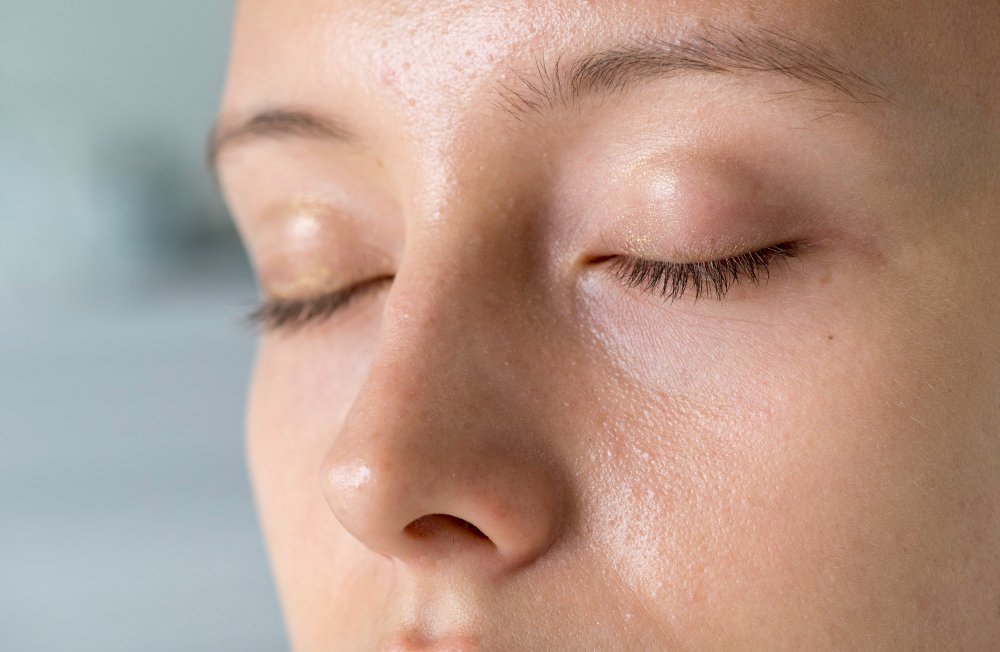
Microneedling is a procedure that uses fine, sterile needles to create controlled micro-injuries in the skin. These tiny channels trigger the skin's natural repair process and encourage collagen production.
It is often considered for concerns such as uneven texture, certain types of acne scars, and visible pores associated with reduced skin firmness.
How microneedling may help:
Stimulates collagen production: The controlled micro-injuries encourage the skin to produce collagen as part of its healing response. This may gradually improve skin firmness and texture.
Improves the appearance of pores: When enlarged pores are associated with reduced skin support, improved collagen structure may make them appear less noticeable.
Helps with certain acne scars: Microneedling may be considered for selected types of atrophic acne scars, depending on their depth and pattern.
Improves uneven texture: The skin's repair process may help reduce the appearance of some surface irregularities over a series of sessions.
Can be planned for different skin concerns: A dermatologist can adjust the treatment approach according to your skin condition and treatment goals.
Microneedling is not primarily an oil-control treatment. If your skin produces a lot of sebum, you may need a separate plan to manage oiliness alongside texture-focused procedures. It should also be avoided over active skin infections and certain inflamed acne lesions. Professional assessment is important, as incorrect technique or poor hygiene can cause infection, scarring, and pigmentation.
4. Medical Skincare and Topical Treatments
Not every person with enlarged pores needs an in-clinic procedure. Sometimes, a dermatologist may recommend a medical skincare routine using ingredients that help control oil, reduce congestion, and improve skin texture.
Topical treatments may take time to show results, but they can play an important role in maintaining skin health and supporting the results of professional procedures.
Ingredients that may be recommended include:
Salicylic acid: This ingredient can penetrate oil-filled pores and help remove accumulated dead skin cells. It is often used for blackheads, whiteheads, and oily skin.
Retinoids: Ingredients such as retinol and prescription retinoids encourage skin cell turnover and may help improve clogged pores and acne. They can also support improvement in certain textural concerns over time.
Niacinamide: This ingredient may help regulate the appearance of excess oil, support the skin barrier, and improve uneven skin tone.
Azelaic acid: It may help with acne, inflammation, and post-acne pigmentation. It can be useful when oily skin is also prone to breakouts and dark marks.
Non-comedogenic moisturisers: These moisturisers are formulated to reduce the likelihood of clogging pores. They help maintain hydration without necessarily adding a heavy or greasy feel.
5. HydraFacial and Professional Deep-Cleansing Treatments
HydraFacial is a professional facial treatment that combines cleansing, exfoliation, extraction, and hydration. Depending on the treatment plan and device, it may help remove surface build-up and improve the appearance of congested skin.
It may be considered by people who want a non-invasive treatment for dullness, surface congestion, and oily skin. However, it is important to have realistic expectations about what it can achieve.
How professional deep-cleansing treatments may help:
Remove surface impurities: The cleansing stage helps remove accumulated dirt, oil, and skincare residue from the skin.
Exfoliate dead skin cells: Gentle exfoliation helps clear surface build-up that may contribute to a rough or dull appearance.
Improve the appearance of congestion: Extraction may help remove some blackheads and debris from clogged pores.
Provide hydration: Hydrating solutions can help the skin feel more comfortable after cleansing and exfoliation.
Give the skin a smoother appearance: By addressing surface build-up, the treatment may leave the skin looking fresher and feeling smoother.
6. Prescription Treatments for Persistent Oily Skin and Acne
If your skin produces excessive oil along with frequent breakouts, a dermatologist may consider medical treatments rather than relying only on cosmetic procedures. The right option depends on how severe your acne is and whether you have other skin concerns.
Possible medical approaches include:
Topical retinoids: These help prevent clogged pores and are commonly used to manage acne. They may also improve skin texture over time.
Benzoyl peroxide: This ingredient helps reduce acne-causing bacteria and may be recommended for inflammatory acne. It can cause dryness or irritation, so the strength and frequency need to be appropriate.
Azelaic acid: It may help manage acne and post-inflammatory pigmentation, making it useful when breakouts leave dark marks.
Hormonal treatment in selected patients: For some people, hormonal factors contribute to persistent acne and oiliness. A doctor may discuss suitable prescription options after reviewing the person's health history.
Oral medication for severe acne: Certain medicines, including isotretinoin, may be considered for severe or persistent acne under specialist supervision. It requires careful monitoring and has important safety restrictions.
Enlarged Pores and Oily Skin: Which Treatment Should You Choose?
With several treatments available, it can be difficult to decide where to begin. The best option depends on what is causing your pores to look enlarged and whether you have other concerns such as acne, blackheads, or uneven skin texture.
| Treatment | Main Purpose | How It May Help |
|---|---|---|
| Chemical Peels | Exfoliation and skin renewal | Helps remove dead skin cells and reduce pore congestion |
| Laser Treatments | Skin resurfacing and collagen stimulation | May improve skin firmness and the appearance of enlarged pores |
| Microneedling | Collagen stimulation | Helps improve skin texture and certain types of acne scars |
| Medical Skincare | Oil and acne management | Helps manage excess oil, clogged pores, and breakouts |
| HydraFacial | Cleansing, exfoliation, and extraction | Removes surface build-up and improves the appearance of congestion |
| Prescription Treatments | Medical acne management | Addresses persistent acne and, in selected cases, excessive oil production |
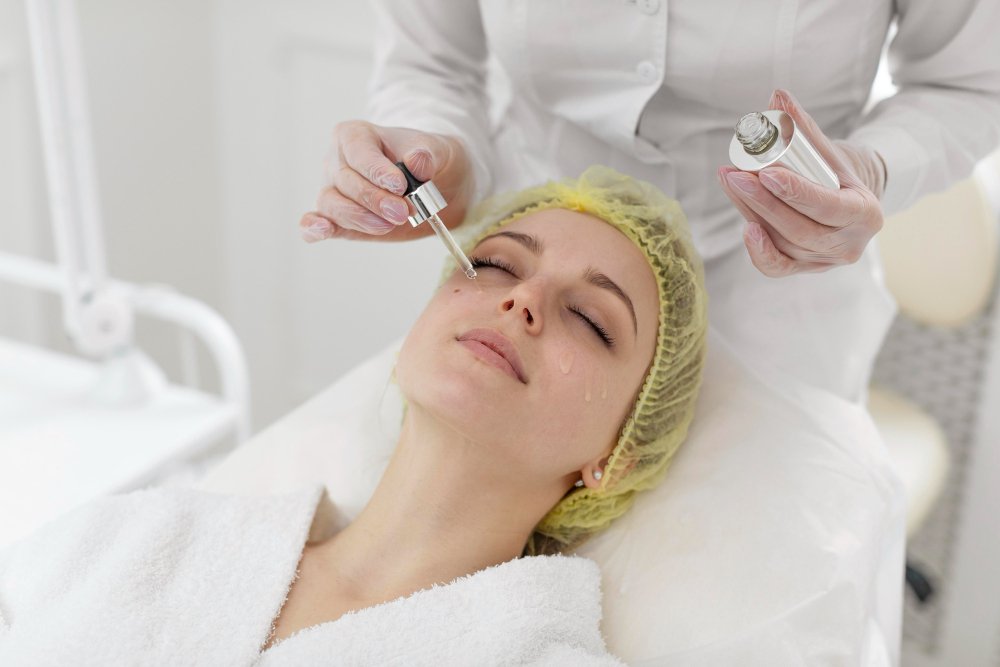
How to Manage Enlarged Pores and Oily Skin at Home
Professional treatments can help address specific skin concerns, but your everyday skincare routine also matters. If you have oily skin, the goal should be to manage excess sebum without stripping away too much of your skin's natural moisture.
Here are six habits that can help you maintain healthier-looking skin.
1. Cleanse your face twice a day: Use a gentle cleanser in the morning and evening to remove excess oil, sweat, dirt, and product build-up. If you have oily skin, you may prefer a lightweight gel-based cleanser. However, avoid washing your face repeatedly throughout the day, as excessive cleansing can irritate your skin.
2. Include salicylic acid in your routine: Salicylic acid can help exfoliate inside oil-filled pores and reduce the build-up that contributes to blackheads. Depending on your skin's sensitivity, a dermatologist may recommend a cleanser or leave-on product containing this ingredient. Start gradually rather than using it several times a day.
3. Do not skip moisturiser: Having oily skin does not mean you should avoid moisturiser. Your skin still needs hydration to maintain a healthy barrier. Choose a lightweight, non-comedogenic formula that feels comfortable and does not leave a heavy or greasy feel.
4. Apply sunscreen every day: Sun exposure can contribute to collagen damage and make pores appear more noticeable over time. Use a broad-spectrum sunscreen with SPF 30 or higher during the day. If you spend time outdoors, reapply it according to the product instructions.
5. Avoid picking at blackheads and acne: Squeezing blackheads or pimples may irritate the surrounding skin and increase the risk of inflammation, scarring, and pigmentation. If you have persistent congestion, consider professional extraction or a suitable treatment recommended by a dermatologist.
6. Choose products that suit oily skin: Look for skincare products labelled non-comedogenic or suitable for oily and acne-prone skin. Avoid layering several strong exfoliating products simply because they promise to minimise pores. A simple routine that your skin tolerates is usually more useful than an overloaded one.
Why Choose Anew, the Best Aesthetic & Skin Clinic in Bangalore?
When you are dealing with enlarged pores, excess oil, and recurring skin congestion, choosing a clinic that understands different skin concerns can make the treatment process easier to navigate. At Anew, the focus is on helping individuals explore aesthetic and skin treatments based on their concerns and desired results. If your skin feels greasy soon after cleansing, your pores appear more visible, or you frequently experience blackheads and breakouts, a consultation can help you understand the possible causes and available treatment options. Rather than assuming that one procedure will work for everyone, the approach is considered based on your skin type, sensitivity, existing acne, and overall texture.
As the Best Aesthetic & Skin Clinic in Bangalore, Anew aims to provide a space where you can discuss your concerns, understand suitable procedures, and make informed decisions about your skincare. Whether you are exploring chemical peels, laser treatments, microneedling, or other skin services, understanding the purpose and limitations of each treatment is essential.
The Right Treatment Starts With Understanding Your Skin
Dealing with oily skin and enlarged pores can sometimes feel like an endless cycle. You cleanse your face, apply your skincare products, and enjoy a few hours of relatively fresh skin, only to notice the shine returning. Your pores may look more visible, makeup may settle into uneven areas, and blackheads may keep appearing despite your efforts. If this sounds familiar, it may be time to look beyond everyday skincare and understand what your skin actually needs.
So, which treatment is best for enlarged pores and oily skin? The answer depends on the underlying concern. Chemical peels may help remove dead skin cells and manage clogged pores, while microneedling and selected laser treatments may improve skin texture and support collagen production. Medical skincare can help manage excess oil, and professional deep-cleansing treatments may improve the appearance of congestion. In some cases, combining suitable treatments with a consistent home routine may offer better results than relying on a single procedure.
Your skin does not need to look completely poreless to look healthy. The aim is to manage excess oil, reduce congestion, improve texture, and find a routine that works with your skin rather than against it. With realistic expectations and consistent care, you can work towards skin that feels more balanced and comfortable.
