

Why Do I Have Pigmentation on My Face?
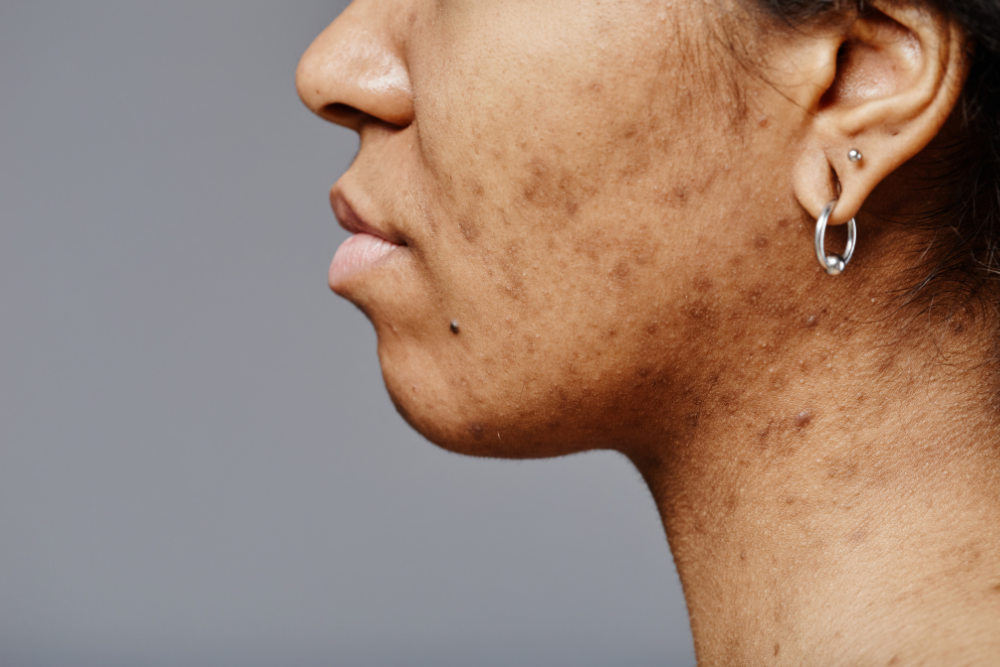
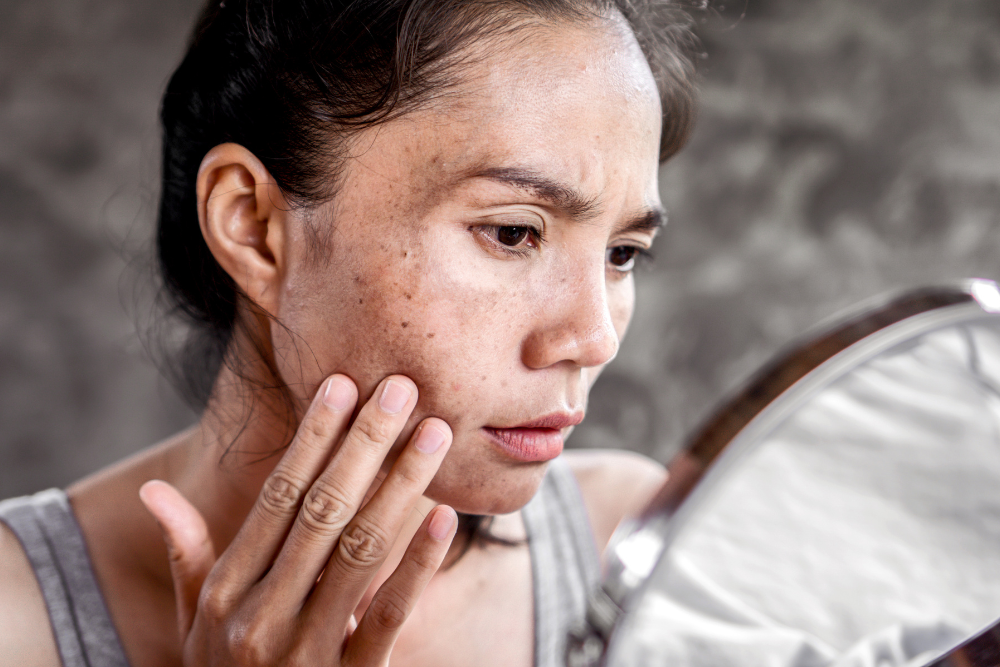
You look in the mirror one morning and notice that your skin does not look quite as even as it used to. Maybe there are a few dark patches around your cheeks. Maybe your forehead looks slightly darker. Or perhaps you have small brown marks left behind after acne that just refuse to fade. You may have tried a brightening serum, changed your face wash, or started using sunscreen more regularly, but the pigmentation keeps coming back. And that is when the question naturally comes up: why do I have pigmentation on my face?
Facial pigmentation is extremely common, but it is not always caused by one simple thing. Your skin produces melanin, the pigment responsible for your natural skin colour. When certain areas produce more melanin than usual, they can appear darker than the surrounding skin. This can happen because of sun exposure, hormonal changes, acne, inflammation, certain medications, ageing, or even repeated irritation from skincare products.
If you have been searching online for answers to why do I have pigmentation on my face, this guide will help you understand the common causes, different types of pigmentation, everyday habits that may worsen it, and the treatment options that can help improve your skin. We will also look at when it is worth consulting a dermatologist and how choosing the right Skin Clinic in Bangalore can make your treatment journey more personalised.
What Exactly Is Facial Pigmentation?
Before getting into the reasons behind pigmentation, it helps to understand what is actually happening inside your skin.
Melanin is produced by cells called melanocytes. It gives your skin, hair, and eyes their colour and also helps protect the skin from ultraviolet radiation. When melanocytes produce excess melanin or melanin becomes unevenly distributed, darker areas can develop on the skin.
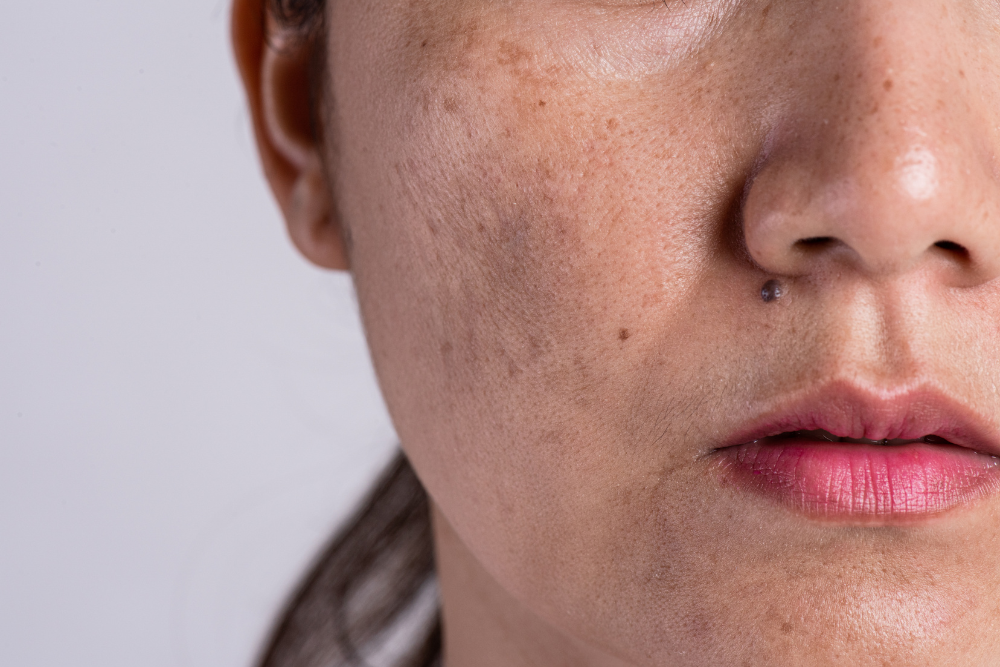
Pigmentation can look different from person to person. It may appear as small brown spots, larger patches, uneven areas, or marks left behind after pimples.
Here are five common ways pigmentation can appear:
1. Dark spots after acne: You may have noticed that the pimple disappears, but the mark stays behind for weeks or months. These are often post-inflammatory marks caused by the skin producing more pigment after inflammation.
2. Brown patches on the cheeks: Larger, fairly symmetrical patches on the cheeks can sometimes be associated with melasma. This type of pigmentation can be influenced by hormones and sunlight.
3. Darker forehead or upper lip: Pigmentation can sometimes appear around specific areas of the face. The cause can vary depending on the individual and may include sun exposure, hormonal factors, irritation, or inflammation.
4. Small sun spots: Spending a lot of time in the sun can lead to small, flat brown spots over time. These are commonly seen in areas that receive frequent sun exposure.
5. Overall uneven skin tone: Sometimes there is no single obvious patch. Instead, the face may simply appear duller or darker in certain areas than others.
Why Do I Have Pigmentation on My Face? 7 Common Reasons
If you have been repeatedly asking yourself, why do I have pigmentation on my face, start by looking at some of the most common triggers.
1. Sun Exposure
- This is one of the biggest contributors to facial pigmentation. When your skin is exposed to ultraviolet radiation, it can increase melanin production as part of its natural protective response.
- Regular exposure without adequate sun protection can make existing pigmentation darker and can also encourage new spots to develop.
- Even if you do not spend hours outdoors, daily exposure while commuting, walking, driving, or sitting near windows can add up over time.
2. Hormonal Changes
- Hormones can influence melanin production. This is one reason pigmentation such as melasma is often associated with hormonal changes.
- Pregnancy, certain hormonal medications, and other hormonal fluctuations can contribute to pigmentation in some people.
3. Acne and Skin Inflammation
- Did you ever notice a dark mark exactly where a pimple used to be?
- That is a common example of post-inflammatory hyperpigmentation.
- Repeatedly picking or squeezing acne can make the marks more noticeable and longer-lasting.
4. Skin Irritation
- Your skincare routine may actually be contributing to the problem if it is too harsh for your skin.
- Overusing exfoliating acids, scrubs, retinoids, or other active ingredients can irritate the skin.
5. Ageing
- As you get older, years of sun exposure can start becoming more visible on your skin.
- You may notice individual brown spots or an overall increase in uneven skin tone.
6. Certain Medications or Medical Conditions
- Some medications can make the skin more sensitive to sunlight or contribute to pigmentation changes.
- Certain underlying conditions can also be associated with changes in skin colour.
7. Genetics and Your Natural Skin Response
- Some people are naturally more prone to pigmentation than others.
- Your skin tone, genetics, tendency to develop pigmentation after acne, and how your skin responds to sunlight can all influence how easily dark marks develop.
Five Everyday Habits That Could Be Making Your Pigmentation Worse
Sometimes the cause of pigmentation is not one major event. It is a combination of small habits repeated every day.
Skipping Sunscreen
You may use a good pigmentation serum every night, but if you are regularly exposed to sunlight without adequate protection, you may be working against your own treatment. Daily sun protection is an important part of managing pigmentation.
Using Too Many Active Ingredients
Using vitamin C, exfoliating acids, retinoids, scrubs, masks, and other actives all at once may sound like an intensive skincare routine. But if your skin becomes irritated, the resulting inflammation can make pigmentation more noticeable.
Picking at Pimples
It can be incredibly tempting to squeeze a pimple when it looks ready to pop. Unfortunately, this can increase inflammation and damage the surrounding skin.
Scrubbing the Skin Too Hard
Physical scrubbing does not "scrub away" pigmentation. Aggressive scrubbing can irritate your skin and make pigmentation worse.
Ignoring Sun Protection During Short Trips
Going outside for ten minutes may not feel like significant sun exposure. But daily exposure adds up. Commuting, walking to the car, sitting outdoors, and other routine activities can contribute to pigmentation over time.
Types of Facial Pigmentation: What Could Those Dark Spots Be?
Not every dark patch on your face has the same cause. Identifying the type of pigmentation can help determine what treatment may be appropriate.
| Type of Pigmentation | What It Looks Like | Common Causes |
|---|---|---|
| Post-Inflammatory Hyperpigmentation | Brown or dark marks left behind after pimples, rashes or skin irritation | Acne, inflammation, skin injuries and irritation |
| Melasma | Larger brown or greyish patches, commonly seen on the cheeks, forehead and upper lip | Hormonal changes, sunlight and heat |
| Sun Spots | Small, flat brown spots that usually appear on areas exposed to the sun | Prolonged sun exposure and ageing |
| Uneven Skin Tone | Generalised dark or patchy areas across different parts of the face | Sun exposure, inflammation, ageing and skincare irritation |
| Irritation-Related Pigmentation | Dark patches that develop after repeated irritation or friction | Harsh skincare products, excessive exfoliation and friction |
This is why a dermatologist may ask several questions before suggesting a treatment. The location, colour, duration, pattern, triggers, and history of the pigmentation can all provide useful clues.
When Should You Consider Pigmentation Treatment?
Not every pigmentation concern requires a clinic-based procedure. Sometimes improving your skincare routine and sun protection can make a noticeable difference.
However, there are situations where professional guidance can be useful.
If Your Pigmentation Has Been There for Months: If a mark or patch has remained despite a consistent skincare routine, it may be worth getting it assessed rather than continuously changing products.
If It Keeps Coming Back: Some pigmentation conditions can improve and then return, particularly when the underlying triggers are still present.
If Your Pigmentation Is Getting Darker: A noticeable change in pigmentation should not simply be covered with makeup and ignored.
If Your Acne Is Leaving Marks: If you are constantly dealing with new pimples followed by dark marks, treating the pigmentation alone may not be enough.
If You Are Unsure What You Are Treating: If you cannot tell whether you have melasma, acne marks, sun spots, or another pigmentation concern, a proper assessment can help you understand what you are dealing with.
Pigmentation Treatments: What Options Are Available?
There is no universal pigmentation treatment that works for everyone. The right option depends on the type, severity, depth, and cause of pigmentation.
1. Prescription or Dermatologist-Recommended Skincare: Depending on the pigmentation, a dermatologist may recommend topical ingredients that help regulate pigmentation and improve skin tone.
2. Chemical Peels: Chemical peels can help improve certain types of pigmentation by removing damaged outer layers of skin and encouraging healthier skin turnover.
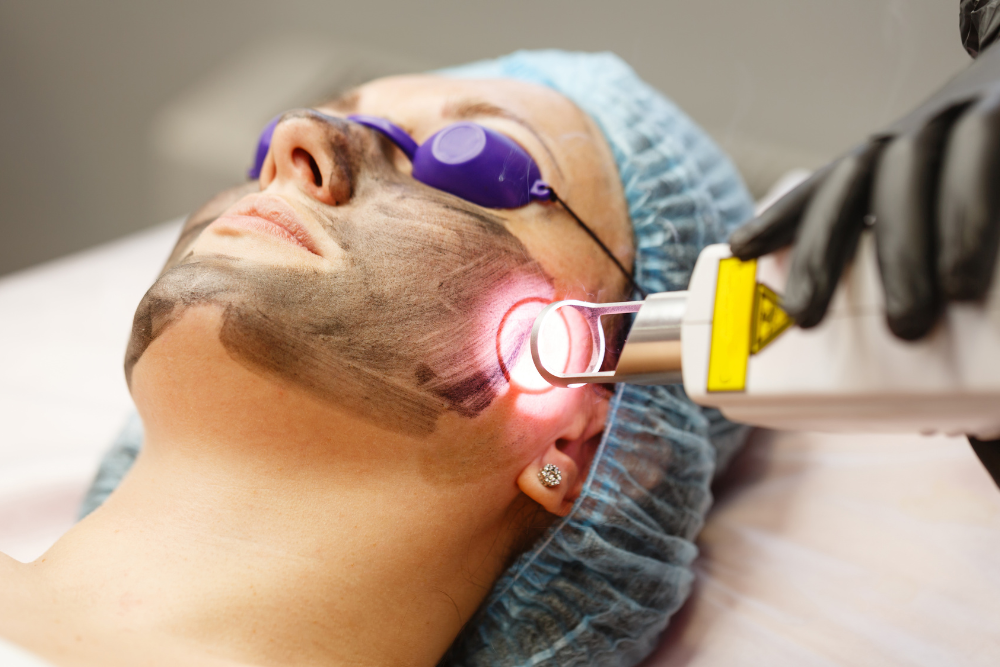
3. Laser-Based Treatments: Certain laser technologies can be used to target pigmentation or improve overall skin appearance. Laser treatments need to be selected carefully based on your skin tone and pigmentation type.
4. Combination Treatments: Sometimes pigmentation responds better to a combination of approaches rather than one procedure.
5. Maintenance Treatments and Skincare: Pigmentation management does not necessarily end once the skin looks better. Continued sunscreen use and a suitable skincare routine can help maintain results.
Why Anew Is a Trusted Skin Clinic in Bangalore for Pigmentation Treatment
When you are looking for pigmentation treatment, the clinic you choose matters because pigmentation can behave differently from person to person.
At Anew, pigmentation concerns are assessed based on the individual's skin and the possible causes behind the pigmentation before a suitable treatment approach is recommended.
As a clinic offering Pigmentation Treatment in Bangalore, Anew provides personalised care for concerns such as uneven skin tone, dark spots, acne marks and other pigmentation-related concerns.
For someone looking for a Skin Clinic in Bangalore, a personalised approach can make the treatment process more structured and easier to understand.
Your Pigmentation Has a Story. Find Out What It Is.
When you notice pigmentation on your face, it can be tempting to immediately search for the strongest cream, the latest serum, or the quickest treatment available. But your skin is rarely that straightforward.
A dark patch can be associated with sunlight, inflammation, hormones, acne, irritation, ageing, or a combination of several factors.
So if you have been repeatedly wondering, why do I have pigmentation on my face, start by looking beyond the spot itself.
The good news is that pigmentation can often be managed with the right approach. Pigmentation Treatments such as dermatologist-guided skincare, chemical peels, laser-based procedures, and combination treatments may be considered depending on the type and cause of pigmentation.
Remember, pigmentation treatment does not end when the pigmentation becomes lighter. Sun protection, gentle skincare, controlling acne, avoiding unnecessary irritation, and following a maintenance plan can all help protect your results.
