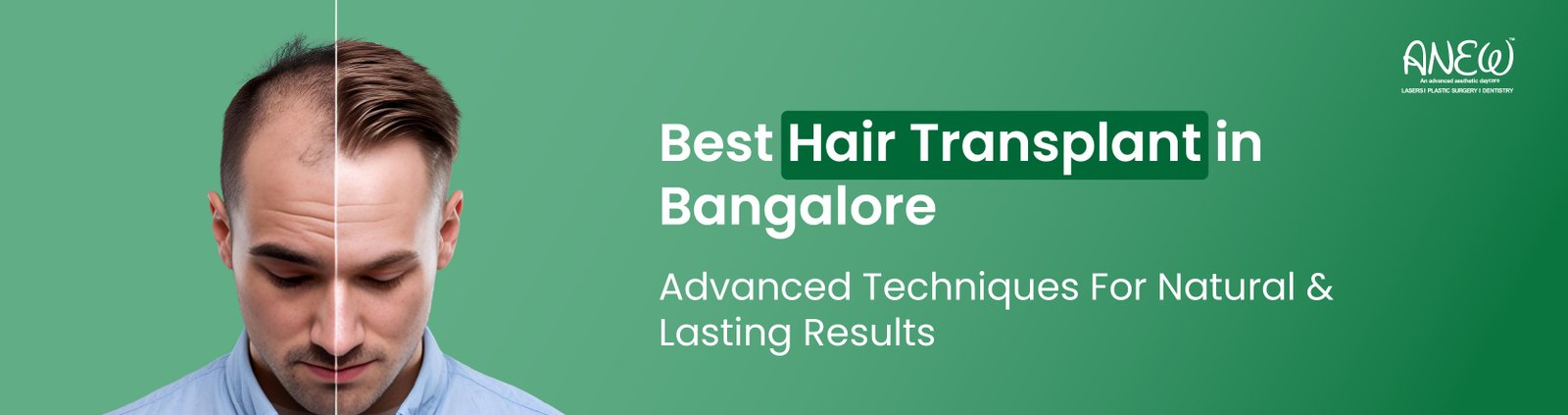
Hair loss can affect confidence, appearance, and the way many people feel about themselves. For some, it begins gradually with thinning hair, while for others it may show up as a receding hairline or visible bald patches. This is where many people start asking an important question, what is a hair transplant? A hair transplant is a cosmetic procedure designed to restore natural-looking hair growth by moving healthy hair follicles from one area of the scalp, usually the back or sides, to areas experiencing thinning or baldness. Since the transplanted follicles come from your own scalp, the results often blend naturally with existing hair.
There are several different types of Hair Loss Treatments in Bangalore, and choosing the one that suits you is key to resolving your hair loss problems. The best treatment depends on your hair type, the cause of your hair loss, your health condition, and even your lifestyle. At Anew Hair Clinic in Bangalore we start with a detailed consultation with our hair care specialists to help identify the root cause before moving onto the suitable treatment. The hair loss treatments that are available include :
Men experiencing a receding hairline, thinning crown, or visible bald patches due to hereditary hair loss are among the most common candidates for a hair transplant. The procedure can help restore density and improve overall scalp coverage.
Women who have thinning in specific areas, a widening partition, or patchy hair loss may be suitable for a hair transplant if the donor area remains healthy and dense. Suitability depends on the pattern of hair loss and scalp condition.
People who have lost density in the frontal hairline and want a fuller, more youthful appearance often choose hair transplantation. It can help rebuild a natural-looking hairline that suits facial structure.
Hair transplants are often considered by individuals with thinning at the crown or clearly visible bald spots. Targeted graft placement can improve coverage in these specific areas.
Individuals with strong and healthy hair growth at the back or sides of the scalp are often better candidates because these follicles are commonly used for transplantation. Good donor density supports better results.
Those whose hair loss pattern has become more predictable or stable are often better suited for long-term treatment planning. This helps create a more balanced and lasting outcome.
Some people who have hair loss due to scars, burns, surgeries, or trauma may be able to restore growth in those affected areas through a hair transplant, depending on scalp condition.
Individuals who want a lasting option instead of temporary fixes such as hair fibres, wigs, or concealers often consider hair transplantation for natural regrowth.
People who understand that results take time, growth happens gradually, and density depends on donor hair are often better prepared for the treatment journey.
| Factor to Consider | How It Helps Choose the Best Hair Transplant Method |
|---|---|
| Hair Loss Pattern | The stage and location of hair loss help determine the right technique. |
| Donor Hair Availability | Healthy donor hair density supports better graft collection and coverage. |
| Desired Hairstyle | Short hairstyle preferences may require methods with minimal visible scarring. |
| Recovery Time Preference | Faster healing needs often influence the choice of less invasive methods. |
| Budget Considerations | Costs vary depending on method, graft count, and treatment complexity. |
| Surgeon’s Recommendation | Expert evaluation helps select the safest and most effective option. |
Choosing the right clinic for a hair transplant is just as important as choosing the treatment itself. A successful result depends on expert planning, precise execution, natural hairline design, and proper aftercare. Anew focuses on personalised hair restoration solutions designed around each patient’s hair loss stage, donor hair quality, and long-term goals. With modern techniques and patient-focused care, the clinic aims to deliver natural-looking and lasting results.
A skilled team evaluates scalp condition, donor area strength, and hair loss pattern before recommending treatment. Expert planning helps improve precision and overall outcomes.
Anew offers modern methods such as follicular unit extraction, direct implantation options, and customised solutions based on patient needs.
Hairlines are planned according to facial structure, age, forehead proportions, and future hair loss progression to create balanced and realistic results.
No two hair loss cases are the same. Treatment plans are customised based on graft requirement, donor availability, density goals, and recovery preferences.
Procedures are performed with careful hygiene protocols, sterilised equipment, and clinical safety practices for patient comfort and confidence.
For those who prefer privacy, options such as shave-free procedures may be available for suitable candidates.
Patients are guided with recovery instructions, scalp care advice, and follow-up recommendations to support healing and growth.
Whether it is early hairline recession, crown thinning, or advanced baldness, treatment plans are tailored according to the extent of hair loss.
Hair loss can happen gradually due to genetics, age, hormonal changes, stress, or lifestyle factors. As thinning becomes more visible, choosing the right treatment method becomes an important decision. Not every person requires the same approach, which is why modern hair restoration focuses on customised solutions. Anew offers advanced hair transplant options in Bangalore designed for different stages of hair loss, donor hair quality, and personal preferences. Their treatments are planned to restore natural hair growth, improve scalp coverage, and create balanced, long-lasting results using proven techniques.
Healthy hair follicles are individually extracted from the donor area, usually the back or sides of the scalp, where hair growth is stronger. These follicles are then carefully implanted into thinning or bald areas with attention to angle, direction, and density for a natural appearance.
This method leaves tiny dot-like marks instead of a linear scar, offers faster healing, and is ideal for people who prefer short hairstyles. It also provides natural-looking results when performed with proper planning.
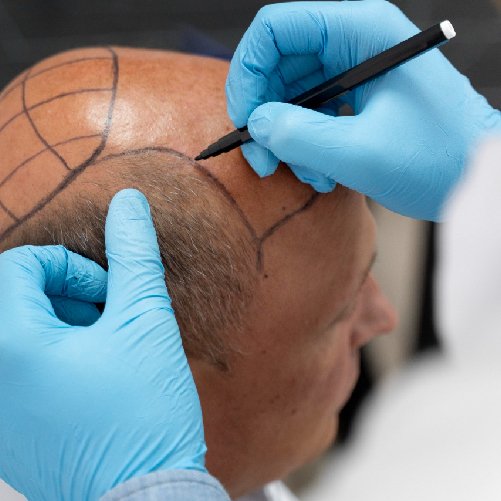
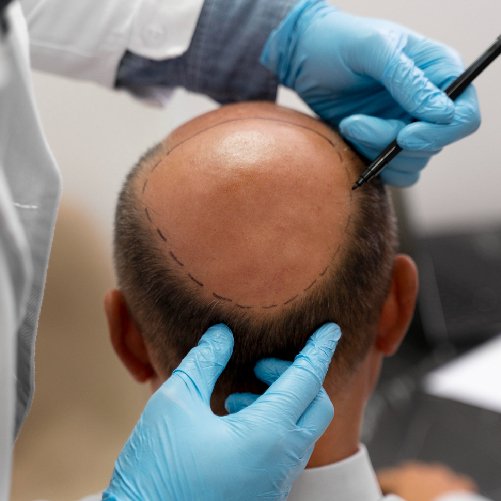
A thin strip of scalp is taken from the donor area, and the hair follicles from that strip are separated into grafts under magnification. These grafts are then transplanted into areas needing coverage.
This method can provide a large number of grafts in one session, making it suitable for extensive baldness. It may also help preserve surrounding donor hair for future sessions when planned correctly.
Hair follicles are first extracted from the donor area and then implanted directly into the scalp using a specialised implantation device. This allows the surgeon to control placement while creating the recipient sites during implantation.
It offers precise graft placement, refined hairline design, and better control over density. It is often chosen by people looking for detailed and natural-looking front hairline restoration.
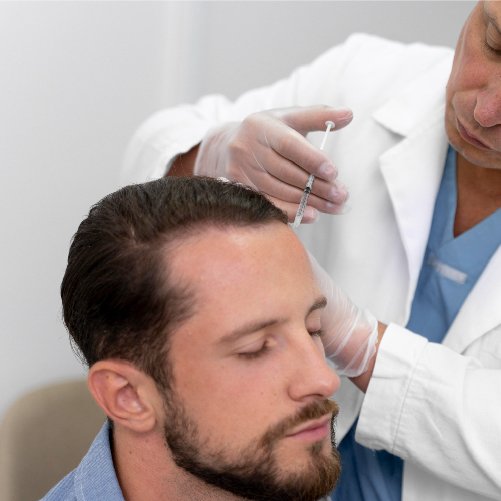
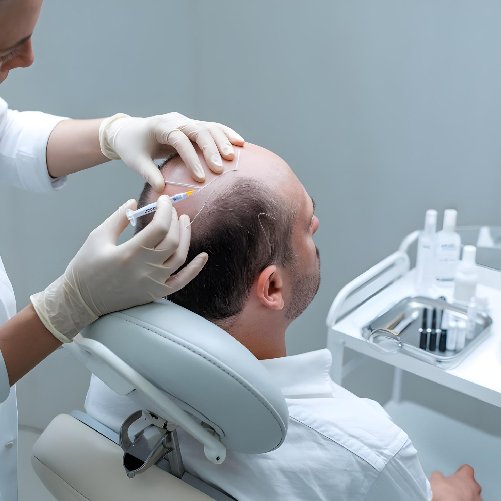
This is an advanced version of follicular extraction where the transplant process is combined with regenerative support methods to help the scalp environment during healing. These added techniques are used to support follicle health after implantation.
It may improve recovery, support graft survival, and enhance overall scalp healing. It is often preferred by those looking for an upgraded approach to standard extraction methods.
Hair follicles are extracted and transplanted using follicular extraction techniques without shaving the entire donor area. Only limited hidden sections may be trimmed if needed.
This option allows the procedure to remain more discreet, as surrounding hair can cover treated areas during recovery. It is popular among working professionals and individuals who want minimal visible signs after treatment.
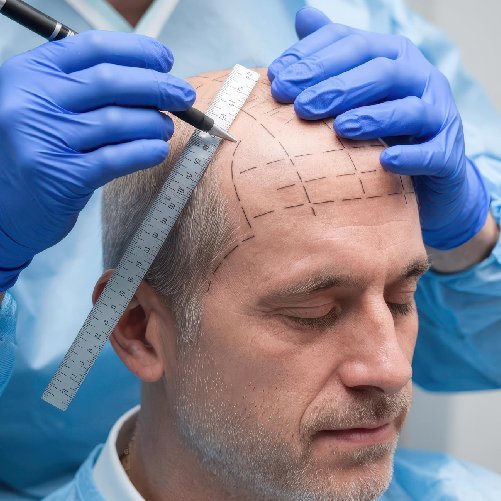
| Stage | What to Expect |
|---|---|
| Before the Procedure | Consultation is done to assess hair loss pattern, donor area strength, scalp health, and graft requirement. Medical history is reviewed, instructions are shared, and the treatment plan is finalised. |
| During the Procedure | Local anaesthesia is given for comfort, healthy follicles are extracted from the donor area. Grafts are carefully implanted into thinning or bald areas with planned density and hair direction. |
| After the Procedure | Mild redness or swelling may occur initially. Aftercare instructions are provided, transplanted hair may shed temporarily, and new hair growth begins gradually over the following months. |
The cost of a hair transplant in Bangalore can vary from person to person because every treatment plan is based on individual hair loss patterns, graft requirements, and the technique selected. There is no single fixed price, as some people may need a smaller session for hairline correction while others may require extensive coverage for larger bald areas. The overall cost also depends on the clinic’s expertise, technology used, and the complexity of the procedure. Understanding the key factors that influence pricing can help you make a more informed treatment decision.
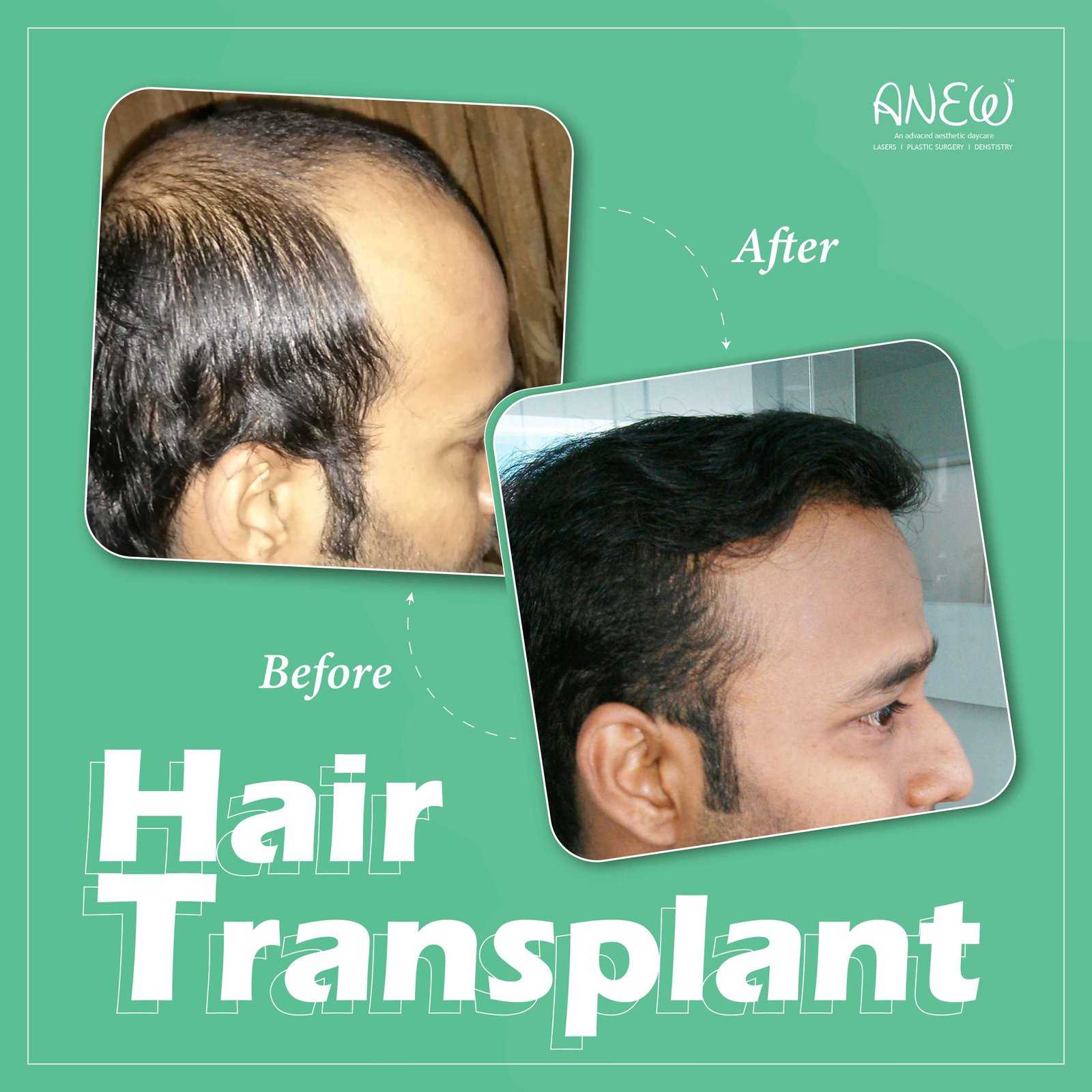
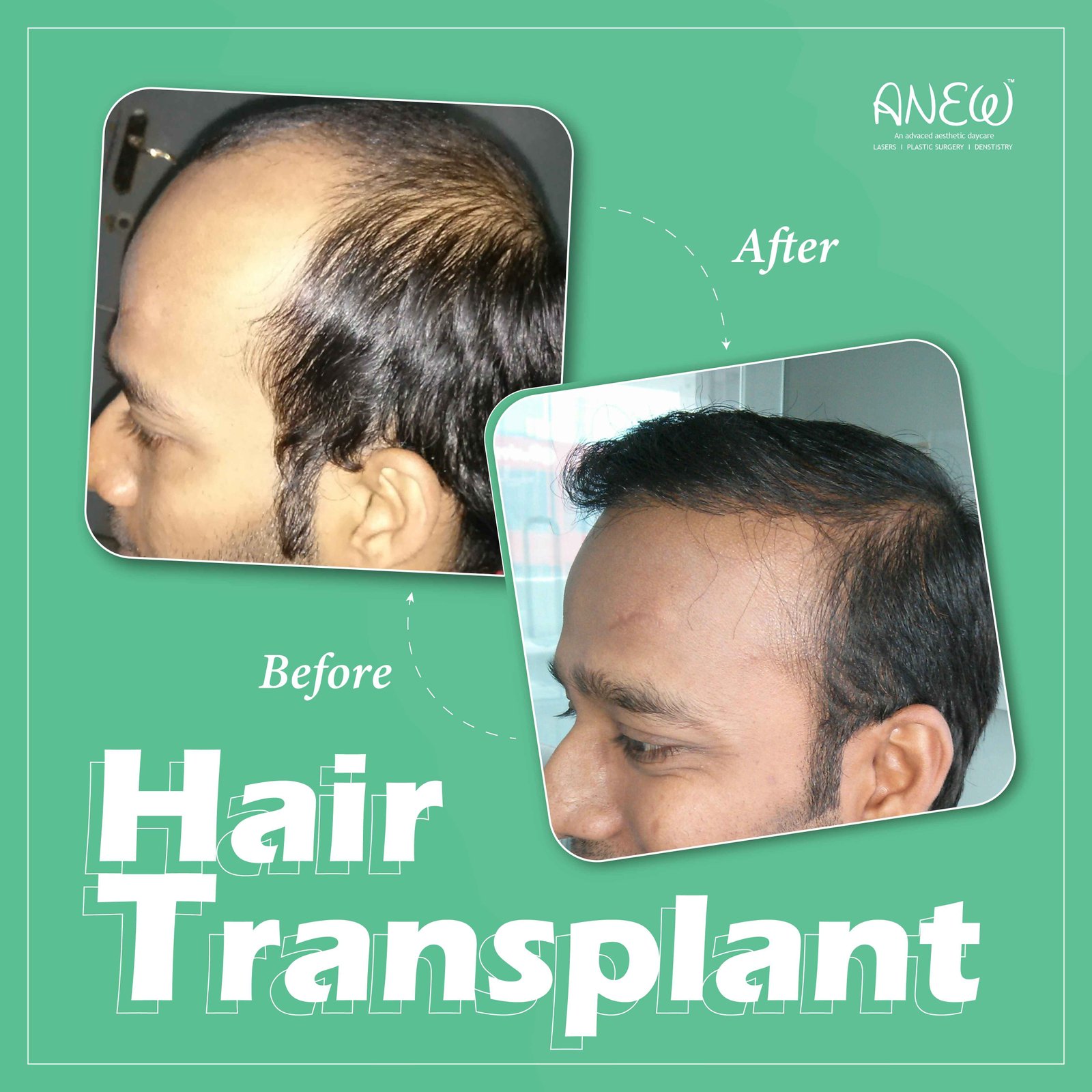
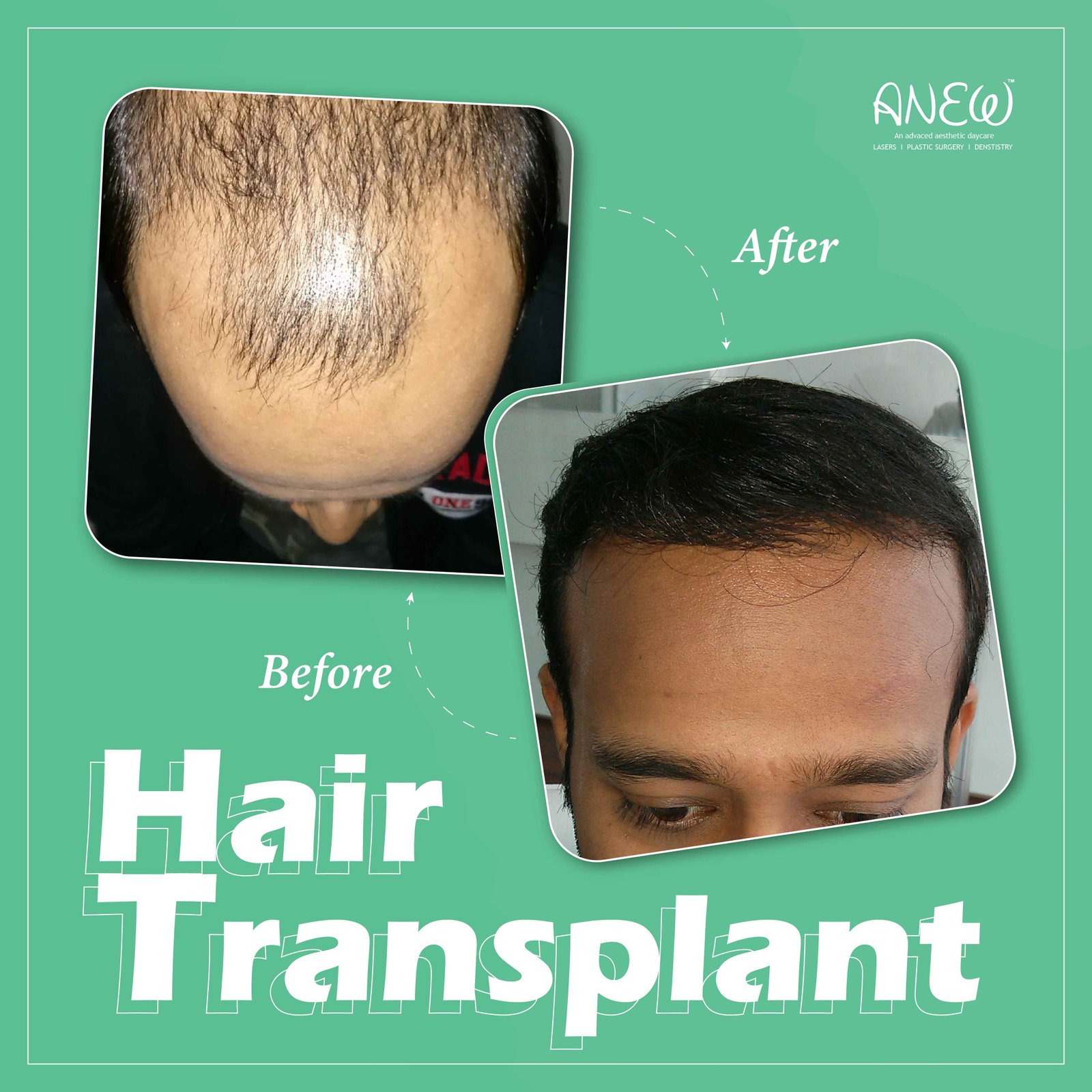
A hair transplant is generally considered a long-term and often permanent solution for hair loss because the transplanted follicles are usually taken from the back or sides of the scalp, where hair is genetically more resistant to falling out. Once these follicles are moved to the thinning or bald area and heal properly, they usually continue to grow naturally in their new location. However, existing non-transplanted hair may continue to thin over time due to ongoing hair loss, which is why some people may benefit from maintenance treatments or future planning.
A good candidate for a hair transplant is someone who has noticeable hair loss along with a healthy donor area containing strong hair follicles. People with receding hairlines, thinning crowns, patchy bald spots, or male and female pattern hair loss are often suitable. It is also important to have realistic expectations about density and results. Final suitability is confirmed after a professional consultation where scalp health, donor hair quality, and long-term hair loss progression are assessed.
A hair transplant is usually performed under local anaesthesia, which numbs the treatment areas and keeps the procedure comfortable. Most patients feel only mild pressure, movement, or slight sensations during treatment rather than pain. After the procedure, some soreness, tightness, or sensitivity may occur for a few days, especially in the donor area, but this is usually manageable with medication and aftercare instructions.
Yes, temporary shedding of transplanted hair is common during the first few weeks after the procedure. This happens as part of the normal hair growth cycle and is often referred to as shock shedding. It does not mean the transplant has failed. The follicles remain secure beneath the scalp, enter a resting phase, and then begin producing new hair growth gradually over the following months.
The number of sessions required depends on several factors such as the stage of hair loss, size of the bald area, donor hair availability, desired density, and chosen technique. Many people with mild to moderate hair loss achieve good results in a single session. Those with advanced baldness or people seeking higher density across larger areas may need more than one session planned over time. A consultation helps determine the most suitable treatment plan.
Anew typically plans hairlines by studying facial structure, forehead size, age, existing hair growth pattern, and future hair loss progression. The goal is to create a soft, balanced, and natural-looking hairline rather than an artificial straight line. Attention is given to hair direction, density, and placement so the transplanted hair blends naturally with surrounding hair and continues to look appropriate over time.
Yes, Anew may treat advanced hair loss cases depending on the strength of the donor area, scalp health, and extent of baldness. During consultation, specialists assess how many healthy grafts are available and what level of coverage can be realistically achieved. In some cases, a customised plan involving staged sessions or strategic density placement may be recommended for the best outcome.
To find the best hair transplant clinic near you, look for experienced specialists, verified patient reviews, modern treatment methods, hygiene standards, and natural-looking results. It is also helpful to review before-and-after cases and attend a consultation to understand the clinic’s approach. Choosing a nearby clinic can make follow-up visits easier, but expertise and results should remain the top priority.
Hair transplant results develop gradually and require patience. In the first few weeks, some transplanted hair may shed, which is a normal part of the growth cycle. New growth usually begins after a few months as the follicles settle into the scalp. Visible improvement continues month by month, and fuller density is generally seen later as the transplanted hair matures naturally.
There is no single ideal age for a hair transplant because suitability depends more on hair loss pattern, donor hair quality, and future progression rather than age alone. Younger patients with active hair loss may need careful planning, while older individuals with stable hair loss may be good candidates. A professional consultation helps determine the right timing for treatment.
Yes, women can be suitable candidates for a hair transplant depending on the type and pattern of hair loss. Women with localised thinning, widening partitions, patchy hair loss, or traction-related loss may benefit if they have a healthy donor area. Since female hair loss patterns can differ from men, proper scalp evaluation is important before planning treatment.

At Anew advanced aesthetic daycare centre we are dedicated to a sole principle of improving and rejuvenating the skin and body to improve the aesthetic appearance and the functionality.
Acne Treatment in Bangalore
Birthmark Removal in Bangalore
Stretch Mark Removal in Bangalore
Acne Scar Treatment in Bangalore
Scar Reduction Treatment in Bangalore
Laser Hair Removal in Bangalore
Laser Wart Removal in Bangalore
Laser Treatment for Vascular Lesions in Bangalore
Pigmentation Treatment in Bangalore
Dark Circles Treatment in Bangalore
Skin Lightening Treatment in Bangalore
Anti-Aging Treatment In Bangalore
Laser Skin Resurfacing in Bangalore
Vaginal Rejuvenation in Bangalore
Vaginoplasty in Bangalore
Eyelid Surgery in Bangalore
Butt Lift Treatment in Bangalore
Double Chin Removal in Bangalore
Fat Grafting in Bangalore
Mommy Makeover in Bangalore
Facial Implant Surgery in Bangalore
Gynecomastia Surgery in Bangalore
Breast Enlargement in Bangalore
Weight loss Treatment in Bangalore
Tummy Tuck in Bangalore
Hymenoplasty in Bangalore
Labiaplasty in Bangalore
Breast Enlargement Surgery in Bangalore
Breast Lift Surgery in Bangalore
Facelift Surgery in Bangalore
Brow Lift Surgery in Bangalore
Rhinoplasty in Bangalore
Dimple Creation in Bangalore
16/1, Bendre Nagar, 9th cross, Banashankari 2nd Stage, Bangalore, Karnataka, Pin: 560070 India
Email : info@anew.co.in
9.30 am - 9.30 pm
c/o Vydehi Institute Of Medical Sciences And Research Centre, 5th Floor , 82 Near BMTC 18th Depot Nallurahalli, EPIP Zone, Whitefield, Bengaluru, Karnataka 560066
Email : info@anew.co.in
9.30 am - 9.30 pm
ANEW COSMETIC CENTRE , AT , COURTYARD 181, Resort , H.No 181/1 , Sorronto Vaddo , Near starco junction , Anjuna Beach Road , Anjuna - Bardez , Goa - 403509 .
Email : info@anew.co.in
11 .00 am - 8.00 pm
Shuweiz 3rd Floor, Ameer Ahmed Magu, Malé, Maldives
Email : info@anew.co.in
11 .00 am - 8.00 pm
7 John St, Stratford-upon-Avon CV37 6UB, United Kingdom
11.00 am - 8.00 pm